Cranberry
Vaccinium macrocarpon 'Stevens'
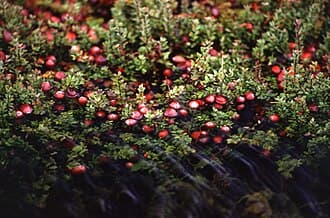
fruitStevens is the gold-standard large-berried American cranberry, the most-planted commercial cranberry variety in the US, producing deep red 1/2 in berries packed with tart-sweet flavor and exceptional storage life. Despite the bog-grown commercial image, cranberries are simply low-growing evergreen ground cover plants that need acidic moisture but NOT standing water (the commercial bogs are flooded only for harvest).
☀️
Sun
full sun
💧
Water
Every 1 days
🌾
Harvest
~3 yrs
to first harvest
📊
Difficulty
hard
🌱
Lifecycle
perennial
Comes back every year
↔️
Spacing
2-3 ft apart
⬇️
Planting Depth
Same depth as nursery container
🧪
Soil pH
4.0-5.0
Growing Details
Soil Type
Acidic, very moist
Hardiness Zones
Zones 2 – 7
When to Fertilize
Light feed monthly during the growing season
Fertilizer
Acid-loving plant fertilizer (azalea or rhododendron formulation)
🌱 Growing Guide
Plant in full sun to partial shade on consistently moist acidic soil (pH below 5.0 is ideal). Hardy in zones 2 to 7. Set rooted cuttings 2 to 3 ft apart; vines spread by runners. Cranberries grow 1 ft tall and spread up to 1.5 ft per year. Mulch with pine bark or peat moss to maintain acidity and moisture. Self-fertile. First fruit comes in year 3; full production by year 5. The bushes are beautiful evergreen ground cover with red fall color.
Planting Calendar
Sign in to personalize →🌿
Direct sow
Apr 15
🌾
Projected first harvest
Sep 22 · Year 4
JJan
FFeb
MMar
AApr
MMay
JJun
JJul
AAug
SSep
OOct
NNov
DDec
Year 1
✅ Plant alongside
Good neighbors that attract beneficial insects or deter pests
- Blueberries: Same acidic-soil preferences and similar bed amendments
- Rhododendrons: Shared acid-loving ornamental partner
- Pine mulch: Acidifies soil and retains moisture; pine needle or pine bark mulch is ideal
- Sphagnum moss: Living mulch in damp beds preserves moisture and acidifies
🛡️ Pest & disease prevention
Proactive ways to stop trouble before it starts. Tap a name with an arrow for its full guide
Cranberry fruitworm
Monitor with pheromone traps; spray Bt at first hatch
Encourage parasitic wasps; remove and bag infested berries
Net the patch as berries color up
Mulch heavily with pine bark or pine needles; cranberries are slow to outcompete weeds in establishment years
🌾 Harvest & storage
Stevens ripens late September through October. Pick when berries are uniformly deep red and bounce when dropped (the bounce test commercial growers use). Hand-pick in small home patches or use a cranberry rake on larger beds. Berries store 1 to 2 months refrigerated, or freeze whole and use straight from the freezer in baking. Expect about 1 lb of fruit per 4 sq ft of established vines.
🥗 Nutrition & benefits
About 46 calories per 100 g with 4.6 g fiber, 14 mg vitamin C, and exceptional levels of proanthocyanidins (PAC) studied for urinary tract health. Cranberries also supply quercetin, ursolic acid, and other polyphenols linked to anti-inflammatory and cardiovascular benefits. Stevens has slightly larger berries than most heirlooms, with the same nutritional profile.
For educational and informational purposes only. HomeSown is not medical, health, or other professional advice. Always positively identify any plant before handling or eating it; some plants, and some parts of otherwise-edible plants, are toxic. Consult a qualified professional before consuming or otherwise using any plant, especially if you are pregnant, nursing, taking medication, or have a health condition.