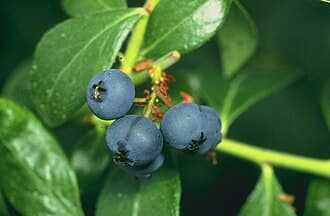
Patriot Blueberry
Vaccinium corymbosum 'Patriot'
fruitPatriot is a northern highbush blueberry released by the University of Maine in 1976 and prized as one of the most cold-hardy blueberries you can grow, shrugging off zone-3 winters that damage less resilient varieties. The vigorous, upright, medium-height bush (3 to 5 ft) bears large, firm, sweet berries with excellent flavor in the early-to-midseason window. Two traits set Patriot apart from standard highbush like Bluecrop: it tolerates heavier, wetter, silty-clay soils better than most blueberries (given good drainage) and carries a high natural resistance to root-rot pathogens, making it the dependable choice for difficult northern sites. It is partly self-fertile but yields larger, earlier berries when planted near a second highbush variety.
☀️
Sun
full sun
💧
Water
Every 3 days
🌾
Harvest
~24 months
to first harvest
📊
Difficulty
medium
🌱
Lifecycle
perennial
Comes back every year
↔️
Spacing
5-6 ft apart
⬇️
Planting Depth
Same depth as nursery pot
🧪
Soil pH
4.5-5.5
Growing Details
Soil Type
Acidic, well-draining (tolerates heavier soils if drained)
Hardiness Zones
Zones 3 – 7
When to Fertilize
Early spring and again after fruit set
Fertilizer
Acidic / ammonium sulfate formula
🌱 Growing Guide
Blueberries demand acidic soil - pH 4.5 to 5.5 - so test first and amend with elemental sulfur or peat well before planting; this is the make-or-break step. Plant dormant bushes in early spring at the same depth they grew in the nursery pot, spacing 5 to 6 ft apart, and mulch 3 to 4 in deep with pine bark or sawdust to hold moisture and acidity. Patriot is hardy in zones 3 to 7 and needs roughly 800 to 1,000 winter chill hours. It tolerates heavier and wetter soils than most highbush varieties and resists root rot, but the site must still drain - standing water kills the shallow roots. Plant at least two different highbush varieties for the biggest crop, keep the soil evenly moist, and prune out the oldest canes each late winter once established.
Planting Calendar
Sign in to personalize →🌿
Direct sow
Apr 15
🌾
Projected first harvest
Jun 19 · Year 3
JJan
FFeb
MMar
AApr
MMay
JJun
JJul
AAug
SSep
OOct
NNov
DDec
Year 1
✅ Plant alongside
Good neighbors that attract beneficial insects or deter pests
- Strawberry: Shares the acidic soil blueberries need and forms a living groundcover over their shallow roots
- Thyme: Low aromatic groundcover that tolerates acidic soil and draws pollinators
- Rhododendron: A fellow acid-loving shrub - if rhododendrons thrive, the soil pH suits blueberries
- Clover: Living mulch that fixes nitrogen gently and protects the shallow root zone
❌ Keep away from
TomatoBrassicas
🛡️ Pest & disease prevention
Proactive ways to stop trouble before it starts. Tap a name with an arrow for its full guide
Harvest every 1 to 2 days, refrigerate or freeze berries promptly to kill larvae, and net bushes with fine mesh where pressure is high
Drape bird netting over the whole bush as berries begin to turn blue; birds can strip a bush in a day
Mummy berry
Rake and remove fallen mummified berries under the bush and mulch fresh in spring to bury overwintering spores
Blueberry maggot
Hang yellow sticky traps to monitor and harvest promptly; sanitation of dropped fruit reduces numbers
Prune for airflow, avoid overhead watering, and remove infected twigs and fruit in wet weather
🌾 Harvest & storage
Patriot ripens in the early-to-midseason window, ahead of Bluecrop, over a few weeks. Wait until the berries have been fully blue for several days - they keep sweetening after they color - then roll the ripe ones off into your hand. Pick every few days. The large, firm fruit stores well fresh and freezes cleanly on a tray. Expect a light crop in the third year and full production from year four or five, with the bush bearing for decades.
🥗 Nutrition & benefits
Blueberries are one of the highest-antioxidant fruits, owing to the anthocyanins that give the skin its deep blue color and are linked to brain and heart health. A 100 g serving has about 57 calories with useful vitamin C, vitamin K, manganese, and fiber. Patriot's large, sweet berries are excellent fresh, frozen, baked, or in preserves.
For educational and informational purposes only. HomeSown is not medical, health, or other professional advice. Always positively identify any plant before handling or eating it; some plants, and some parts of otherwise-edible plants, are toxic. Consult a qualified professional before consuming or otherwise using any plant, especially if you are pregnant, nursing, taking medication, or have a health condition.