Use with caution
Ageratum contains pyrrolizidine alkaloids and is poisonous if eaten. It is most dangerous to grazing animals, in which repeated or large amounts cause liver damage, but it should also be kept away from dogs, cats, and children, since chewing the leaves, stems, or flowers can cause liver and digestive upset. Handling it is low risk - grow it as an ornamental only and keep pets and small children from eating it.
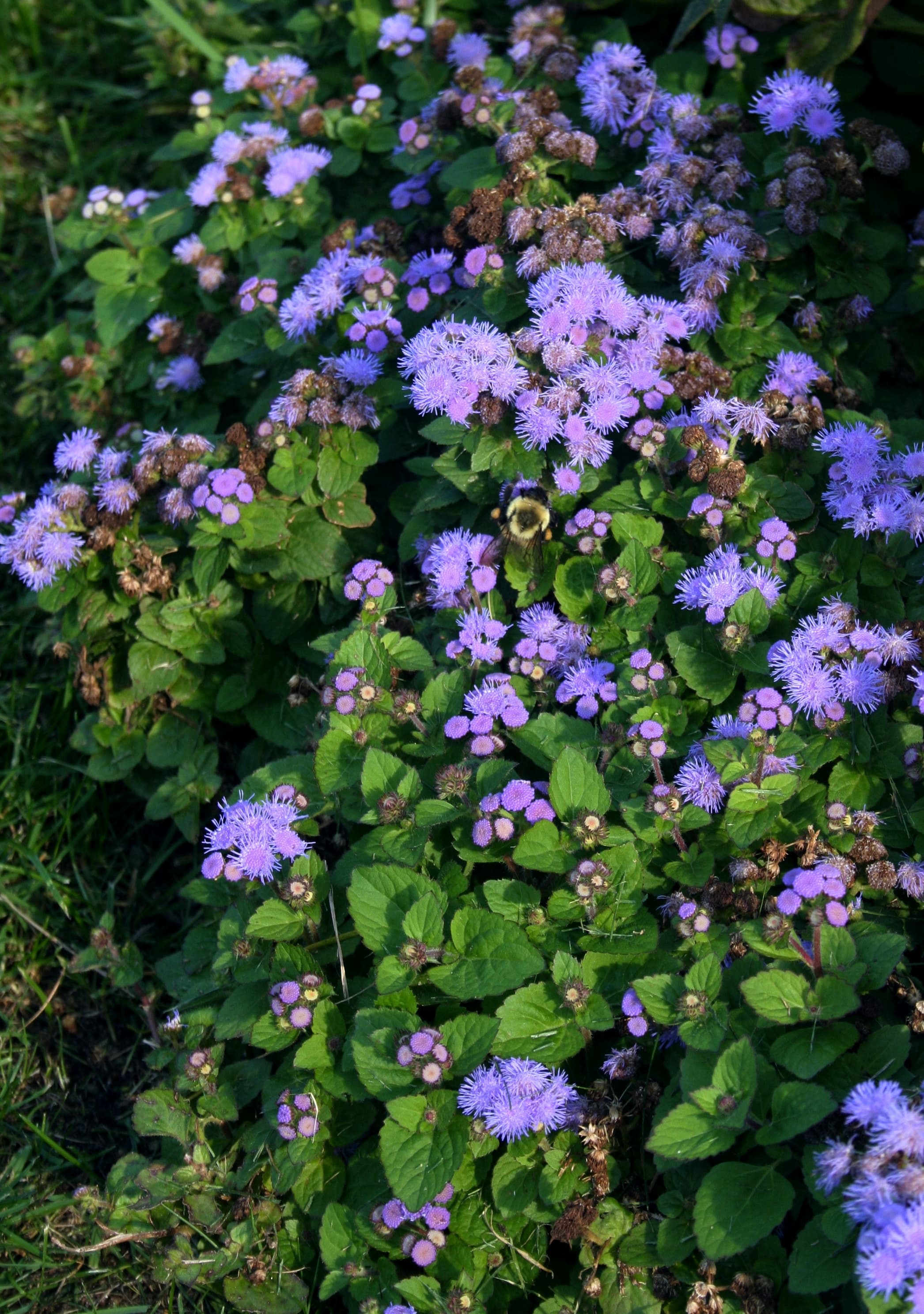
Ageratum
Ageratum houstonianum
flowerAgeratum, or floss flower, is a frost-tender annual that forms tidy mounds 6 to 12 in tall covered from late spring until fall with fluffy, tufted flower clusters. It is most loved for its powder-blue and clear-blue forms, a rare true blue among bedding plants, though pink and white types exist. It is a dependable edging and massing plant, seldom bothered by rabbits or deer, and the taller cultivars are good for cutting.
☀️
Sun
full sun
💧
Water
Every 4 days
🌸
Bloom
~70 days
📊
Difficulty
easy
🌱
Lifecycle
annual
One season, then done
↔️
Spacing
10-12 in apart
⬇️
Planting Depth
Surface sow seed or set transplants at the same depth as the cell pack
🧪
Soil pH
6.0-7.0
Growing Details
Soil Type
Rich, moist, well-drained, high in organic matter
Hardiness Zones
Zones 2 – 11
Grown as an annual. This range is its winter hardiness, but you can grow it for a single season in any zone.
When to Fertilize
Light feeding every few weeks in growth
Fertilizer
Balanced general-purpose fertilizer
🌱 Growing Guide
Grow ageratum in full sun to partial shade in rich, moist, well-drained soil high in organic matter. It has only moderate drought tolerance and prefers soil that stays evenly moist, so water during dry spells and mulch to conserve moisture. Deadhead spent clusters to keep the plant tidy and blooming, especially on older seed-grown strains. Provide good air circulation to limit powdery mildew, and choose newer cultivars where mildew or southern bacterial wilt are recurring problems.
🌼 Have a different variety?Cultivars of the same species usually share the same basic care, and they differ mainly in flower color, height, and bloom form, not in how you grow them. So this guide still applies even if your exact variety isn't the one shown.
Planting Calendar
Sign in to personalize →🌱
Start seeds indoors
Feb 18
🌿
Transplant outdoors
Apr 29
🌸
Projected first bloom
Jul 8
JJan
FFeb
MMar
AApr
MMay
JJun
JJul
AAug
SSep
OOct
NNov
DDec
✅ Plant alongside
Good neighbors that attract beneficial insects or deter pests
- Marigold: A sun-loving annual whose gold and orange contrast with ageratum blue
- Zinnia: Adds height and bright color and draws butterflies to the same bed
- Dusty Miller: Silver foliage that sets off the blue flowers in classic bedding schemes
🛡️ Pest & disease prevention
Proactive ways to stop trouble before it starts. Tap a name with an arrow for its full guide
Tiny white flies on leaf undersides; use yellow sticky traps and rinse plants
Cluster on new growth; hose off and conserve natural enemies
White film in humid, crowded plantings; space plants and water at the base, not overhead
🌸 Blooms & cutting
Ageratum benefits from regular deadheading to stay neat and keep flowering through the season. The taller varieties make good cut flowers, so harvest stems as the clusters open fully; cutting also encourages more bloom. Shear leggy plants lightly to rejuvenate them in midsummer.
🥗 Nutrition & benefits
Ageratum is an ornamental, not edible. Its value is hard-to-find true-blue bedding color all season, resistance to deer and rabbits, and nectar for butterflies and bees. Have a different variety? Cultivars of the same species share the same basic care, so this guide still applies even if your exact color is not shown.
⚠️ Toxicity & safety
Ageratum contains pyrrolizidine alkaloids and is poisonous if eaten. It is most dangerous to grazing animals, in which repeated or large amounts cause liver damage, but it should also be kept away from dogs, cats, and children, since chewing the leaves, stems, or flowers can cause liver and digestive upset. Handling it is low risk - grow it as an ornamental only and keep pets and small children from eating it.
For educational and informational purposes only. HomeSown is not medical, health, or other professional advice. Always positively identify any plant before handling or eating it; some plants, and some parts of otherwise-edible plants, are toxic. Consult a qualified professional before consuming or otherwise using any plant, especially if you are pregnant, nursing, taking medication, or have a health condition.