
Powdery Mildew
Podosphaera and Erysiphe species
One of the most common and recognizable garden diseases, powdery mildew looks like a dusting of white powder or talc on leaves and stems. It turns up on squash, cucumbers, melons, beans, peas, and many flowers, usually in the second half of summer. Most plants tolerate a light case, but heavy infections weaken the plant and cut the size and quality of the harvest.
🔎 How to spot it
Look for pale yellow spots that quickly develop into round white powdery patches on the upper and lower leaf surfaces, petioles, and stems. The patches spread and merge until whole leaves take on a dull white cast, then yellow, shrivel, and die. Older, lower, shaded leaves are infected first. Unlike downy mildew, the white growth wipes off and appears on both sides of the leaf.
🥀 Damage it causes
Heavy infection weakens the plant, and fruit ripens prematurely and unevenly. Plants set fewer and smaller fruit of lower quality, with poorer flavor and storage life. When leaf cover is lost, exposed fruit is prone to sunscald. Powdery mildew rarely kills a plant outright but can end its productive season early.
🔬 What causes it
Powdery mildew is caused by several closely related fungi, most often Podosphaera and Erysiphe species, that are fairly host specific. Unlike most leaf diseases it does not need wet leaves to infect, and it thrives on warm days around 68 to 81 F with high humidity but dry foliage. Crowded plantings, shade, poor air movement, and excess nitrogen all increase risk. Wind carries the spores from leaf to leaf.
🛡️ Prevent it
Plant resistant or partially resistant varieties whenever you can. Give plants full sun and space them well, and stake or trellis vining crops so air moves freely and leaves dry quickly. Pull weeds that crowd the bed. Avoid heavy nitrogen fertilizer, which pushes soft, susceptible growth. Scout the lower leaves weekly from midsummer so you catch the first patches early.
🧯 If it is already here
Pinch off and destroy the first infected leaves. At the earliest sign, apply an approved organic fungicide such as sulfur, neem oil, or a potassium bicarbonate product, coating both leaf surfaces and repeating per the label; do not use sulfur within two weeks of an oil spray or in high heat. Homemade sprays of one part milk to nine parts water also give some suppression. Remove badly infected plants at season end and do not compost them.
💡 Good to know
Powdery mildew fungi are highly host specific, so the species on your squash will not move to your roses. It often appears like clockwork in mid to late summer as nights lengthen and dews grow heavy. Because each fungus is adapted to its host, rotating crop families and cleaning up debris both help break the cycle.
🌱 Plants it affects
714 plants in the library can be affected by this problem
 Acorn Squash
 Adirondack Blue Potato
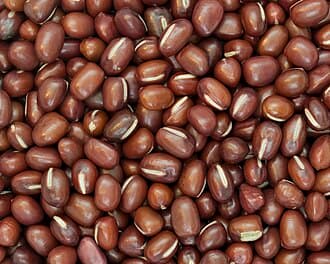 Adzuki Bean
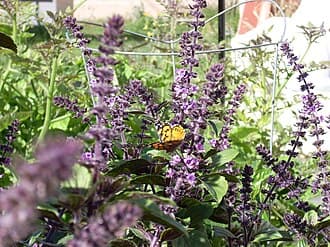 African Blue Basil
 African Marigold
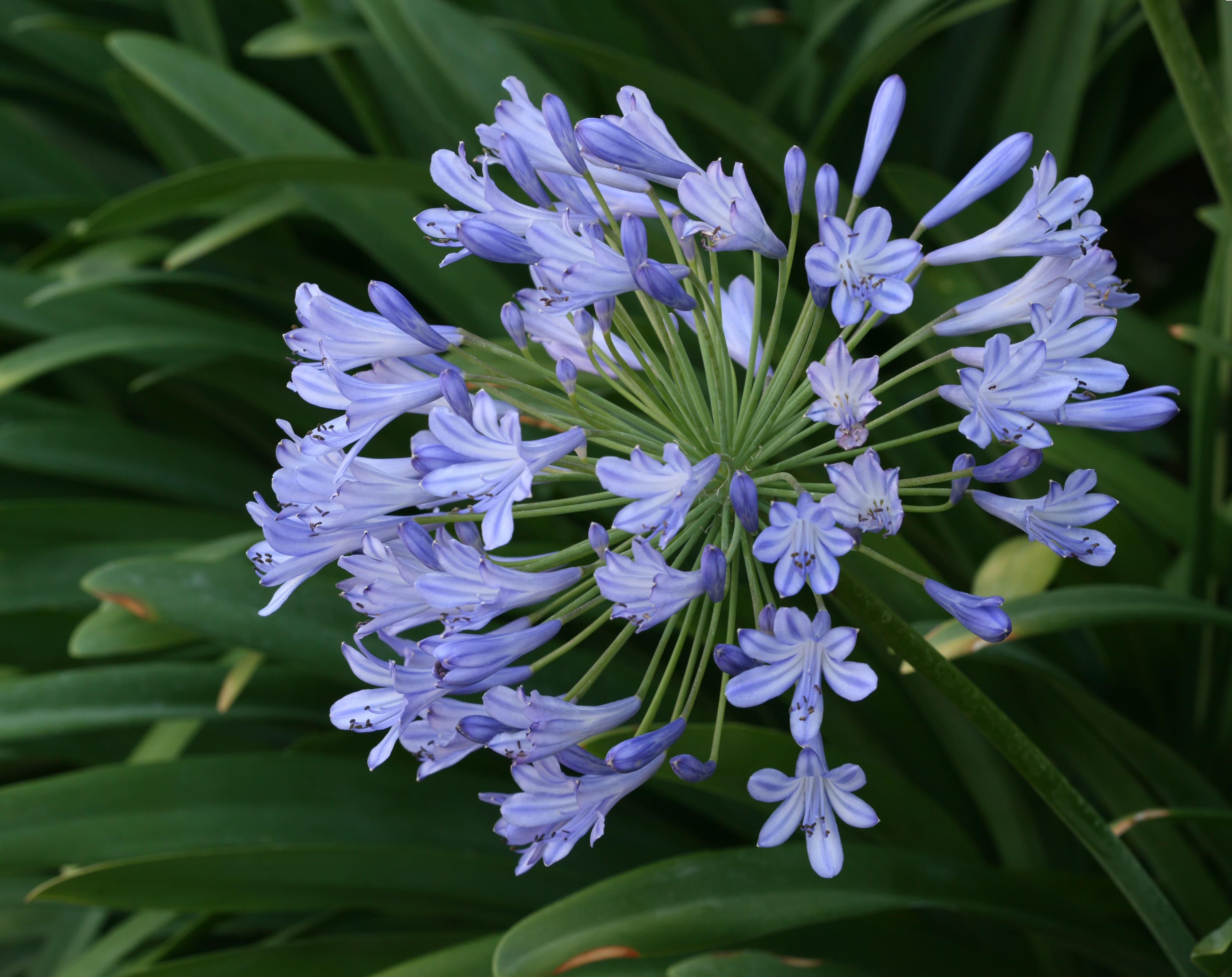 Agapanthus
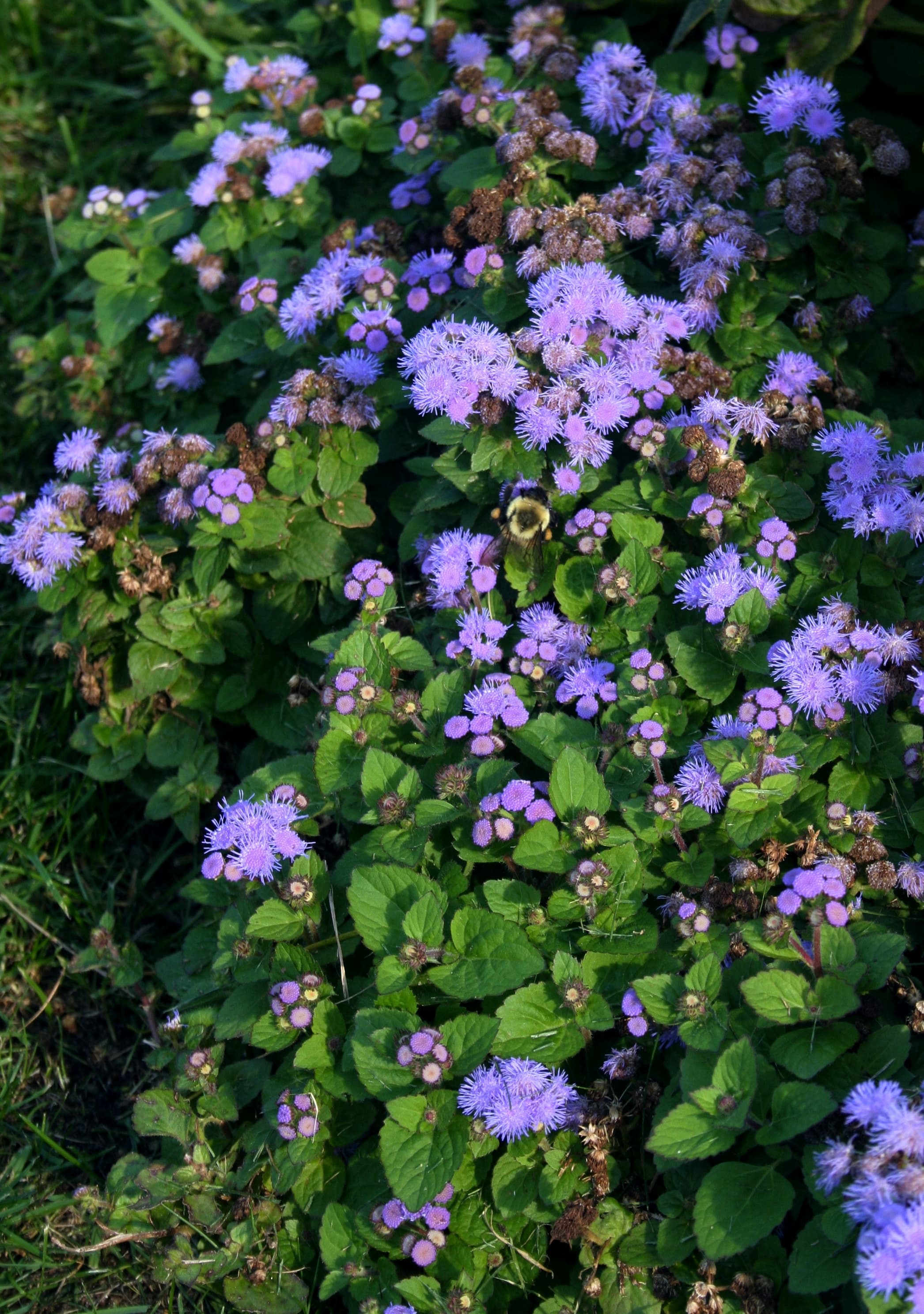 Ageratum
 Agrimony
 Aji Amarillo Pepper🍓Albion Strawberry
 Alice du Pont Mandevilla🥔All Blue Potato
 Almond
 Aloe Vera
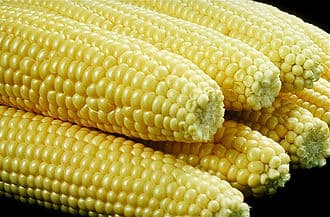 Ambrosia Corn
 American Basswood
 American Beauty Dragon Fruit
 American Beech
 American Persimmon
 Amethyst Falls Wisteria
 Amish Paste Tomato
 Anaheim Pepper
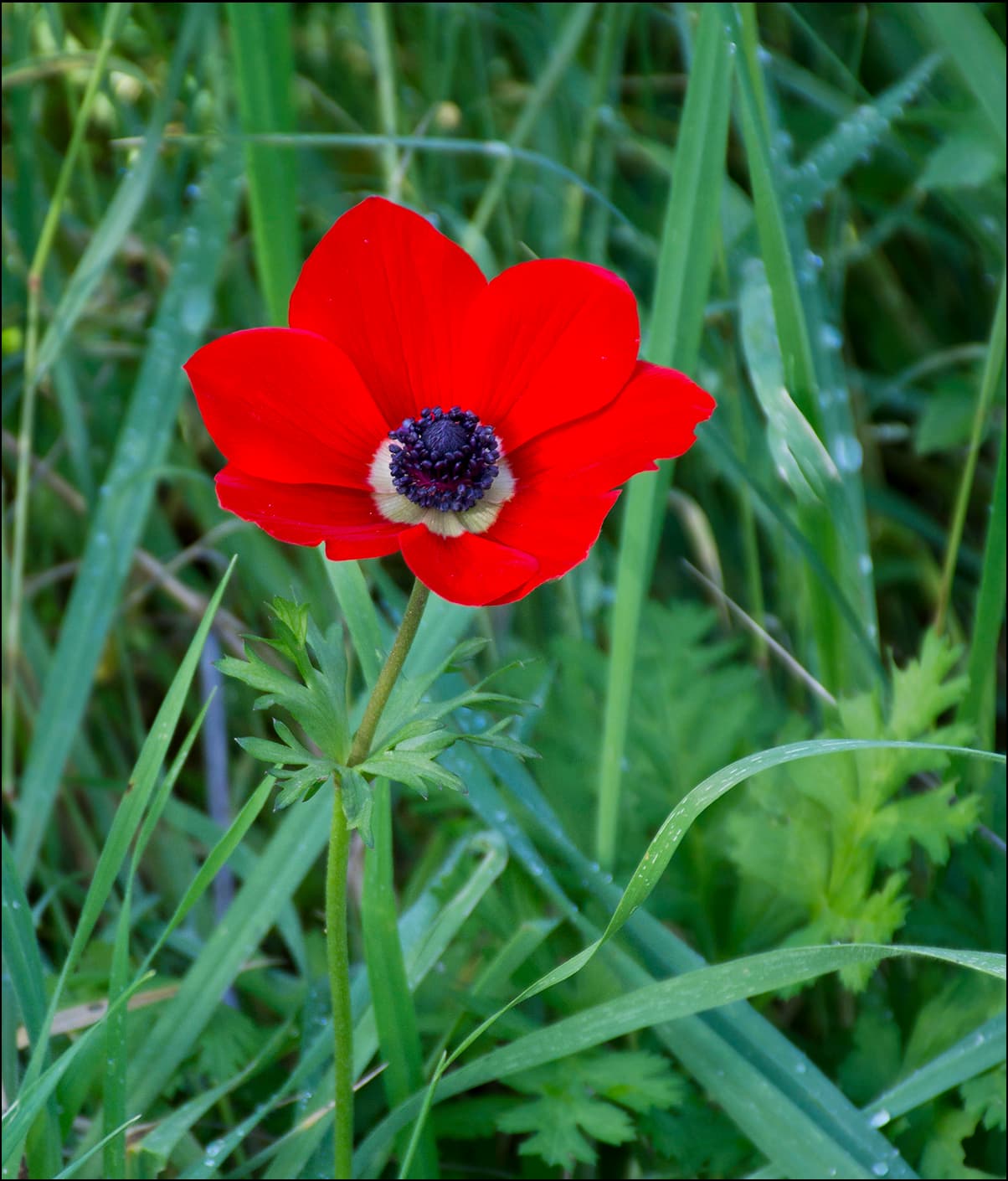 Anemone
 Angelique Tulip
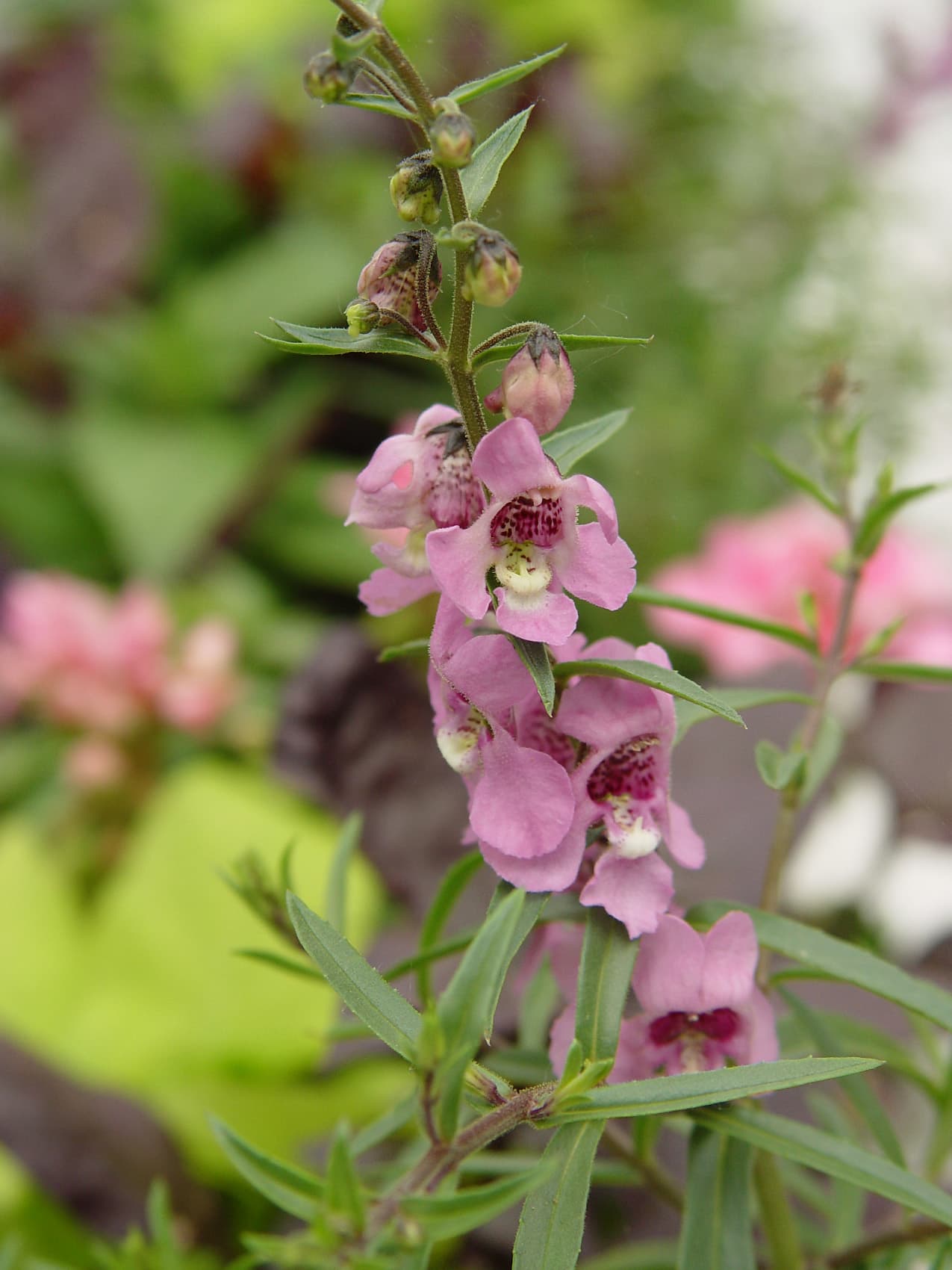 Angelonia
 Anise
Anise Anise Hyssop
 Anjou Pear
 Annabelle Smooth Hydrangea
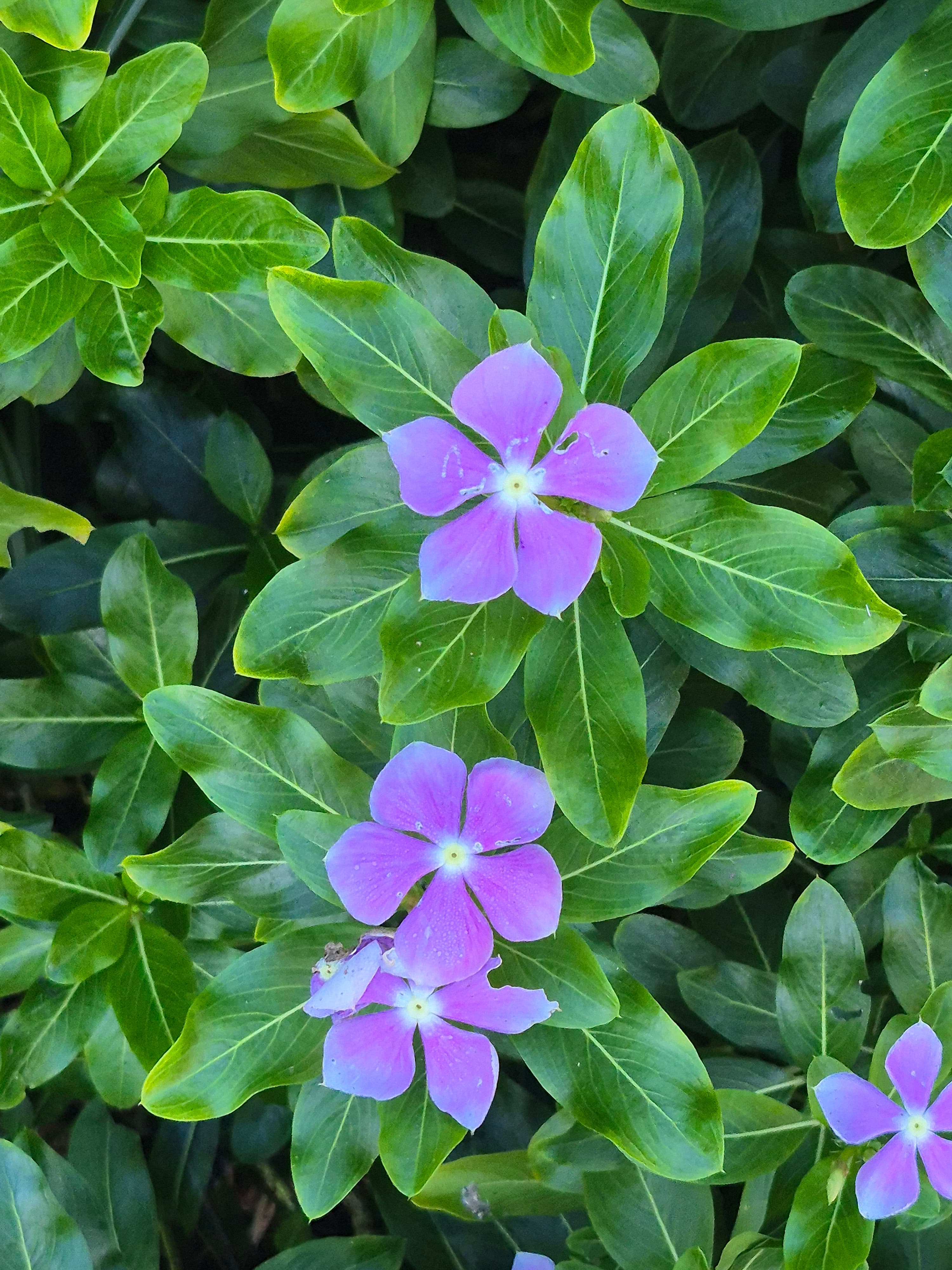 Annual Vinca
 Apeldoorn Tulip
 Apple Mint
 April Tryst Camellia
 Arbequina Olive
 Arizona Sun Blanket Flower
 Arkin Carambola
 Armenian Cucumber
 Aronia
 Arp Rosemary
 Arugula
 Ashwagandha
 Asian Pear
 Asian Persimmon
 Atemoya
 Atlantic Giant Pumpkin🥕Atomic Red Carrot
 Aucuba
 August Beauty Gardenia
 Aunt Molly's Ground Cherry
 Autumn Joy Sedum
 Avocado
 Bachelor's Button
 Balsam Fir
 Balsam Poplar
 Banana Pepper
 Barbara Karst Bougainvillea
 Bartlett Pear
 Bay Laurel
 Bayberry
 Beach Plum
 Beauregard Sweet Potato
 Becky Shasta Daisy
 Bee Balm🍅Beefmaster Tomato
 Benarys Giant Zinnia
 Bengal Tiger Canna
 Better Boy Tomato🥬Bibb Lettuce🍅Big Beef Tomato
 Big Boy Tomato
 Bilberry
 Bing Cherry
 Bitter Melon
 Black Bean
 Black Beauty Eggplant
 Black Beauty Zucchini
 Black Beluga Lentil
 Black Cherry Tomato
 Black Crowberry
 Black Currant🍉Black Diamond Watermelon
 Black Kabouli Chickpea
 Black Krim Tomato
 Black Raspberry
 Black Sapote🥬Black Seeded Simpson Lettuce🥕Black Spanish Radish
 Black Tartarian Cherry
 Black Walnut
 Black-Eyed Pea
 Black-eyed Susan Vine
 Blood Orange
 Bloomsdale Spinach
 Blue Bird Delphinium
 Blue Bird Rose of Sharon
 Blue Fescue
 Blue Lake Green Bean
 Bluecrop Blueberry
 Bocking 14 Comfrey
 Bok Choy
For educational and informational purposes only. Disease management advice is general guidance drawn from university cooperative extension sources; always identify a problem positively and read and follow the label on any product before use, especially around food crops, children, and pets.