Culantro
Eryngium foetidum
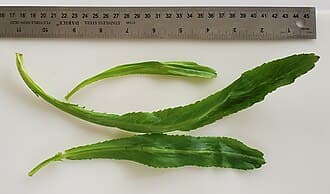
herbCulantro (Eryngium foetidum), known as recao, shado beni, or sawtooth herb, is a tropical herb whose flavor is essentially a much stronger, more pungent cilantro - so much so that it stands in for cilantro in cooking and, unlike cilantro, keeps its flavor through long cooking. It forms a flat rosette of long, narrow, saw-toothed leaves close to the ground, with a spiny flower stalk if it bolts. A defining ingredient in Caribbean sofrito and recaito and in Thai, Vietnamese, and other Southeast Asian dishes, it is a tender perennial usually grown as an annual, and it prefers shade, where it stays leafy longest before bolting.
☀️
Sun
partial shade
💧
Water
Every 4 days
🌾
Harvest
~70 days
📊
Difficulty
medium
🌱
Lifecycle
tender perennial
Perennial in warm zones; grown as an annual where winters freeze
↔️
Spacing
8-12 in. apart
⬇️
Planting Depth
Surface; press in, needs light to germinate
🧪
Soil pH
6.0-7.0
Growing Details
Soil Type
Rich, moist, well-draining
Hardiness Zones
Zones 8 – 13
When to Fertilize
Light feed mid-season
Fertilizer
Balanced or compost; moderate needs
🌱 Growing Guide
Grow Culantro in rich, consistently moist, well-drained soil in partial shade - full sun and heat make it bolt to flower quickly, while shade keeps it producing leaves far longer. Start seed indoors about 8 weeks before setting out, as germination is slow and needs light and warmth; do not bury the fine seed. Transplant out 2 weeks after the last frost once soil is warm, spacing plants 8 to 12 in. apart. Keep the soil evenly moist and pinch out the central flower stalk as soon as it appears to prolong leaf harvest. It will self-sow readily if a few plants are allowed to flower.
Planting Calendar
Sign in to personalize →🌱
Start seeds indoors
Feb 18
🌿
Transplant outdoors
Apr 29
🌾
Projected first harvest
Jul 8
JJan
FFeb
MMar
AApr
MMay
JJun
JJul
AAug
SSep
OOct
NNov
DDec
✅ Plant alongside
Good neighbors that attract beneficial insects or deter pests
- Pepper: Tall pepper plants cast the light shade culantro craves while both like rich, moist soil
- Tomato: Provides dappled shade that slows culantro from bolting in summer heat
- Eggplant: Another warm-season crop whose canopy shelters the low culantro rosette
🛡️ Pest & disease prevention
Proactive ways to stop trouble before it starts. Tap a name with an arrow for its full guide
The low, ground-hugging leaves are vulnerable in the damp shade culantro likes - use grit, traps, or hand-picking at night
Rinse colonies from the leaf rosette and support natural predators
Remove and destroy mined leaves promptly and use floating row cover early if miners are a known problem
🌾 Harvest & storage
Harvest culantro by cutting the outer leaves at the base of the rosette as needed, leaving the center to keep producing, or shear the whole rosette an inch above the crown and let it regrow. The flavor is strong, so use less than you would cilantro. It holds up to cooking far better than cilantro - add it to sofrito, stews, curries, and marinades. Leaves are best fresh but can be frozen, chopped in oil, or blended into seasoning pastes.
🥗 Nutrition & benefits
Culantro carries the bright, pungent, cilantro-like flavor central to Caribbean sofrito and recaito and to Thai and Vietnamese cooking, where it seasons soups, stews, curries, salsas, and marinades. Because its flavor survives cooking, it is added to long-simmered dishes where cilantro would fade. It is valued purely as a flavor herb, used fresh and in small amounts.
For educational and informational purposes only. HomeSown is not medical, health, or other professional advice. Always positively identify any plant before handling or eating it; some plants, and some parts of otherwise-edible plants, are toxic. Consult a qualified professional before consuming or otherwise using any plant, especially if you are pregnant, nursing, taking medication, or have a health condition.