
Slugs and Snails
Class Gastropoda
Soft, slimy mollusks that feed at night and leave ragged holes and silvery trails across leaves, seedlings, and ripening fruit. They thrive in cool, damp, shaded gardens and can wipe out a row of seedlings before you ever see one in daylight.
🔎 How to spot it
Slugs are soft and shell-less; snails carry a coiled shell, but both glide on a single muscular foot and leave a telltale silvery, dried slime trail. They range from under an inch to several inches long. By day they hide in cool, dark, moist spots: under boards, pots, mulch, low leaves, and garden debris. Look for irregular holes with smooth edges chewed in leaves, flowers, and fruit, destroyed seedlings, and the shiny slime trails that confirm it is slugs or snails rather than an insect.
🥀 Damage it causes
Using a rasping, file-like tongue they chew smooth-edged holes in leaves and flowers, shear off tender seedlings entirely, and scar or hollow out ripening fruit such as strawberries and tomatoes. The damage appears overnight and is worst in cool, wet weather.
🛡️ Prevent it
Take away their daytime shelter: clear boards, weeds, and dense debris, and thin heavy mulch and ground cover near vulnerable plants. Water in the early morning rather than the evening, or switch to drip irrigation, so beds are dry by nightfall. Ring beds or pots with a 4- to 6-inch copper band, which gives them a mild shock. Favor plants they tend to avoid, such as rosemary, sage, lavender, and nasturtium.
🧯 If it is already here
Handpick at night by flashlight, or on damp cloudy days, and drop them in soapy water. Set traps: a board raised an inch off the soil that they gather under, or a shallow container of beer sunk to ground level that they fall into. Scatter iron phosphate bait, which is approved for organic gardens and far safer around children and pets than older metaldehyde baits. Diatomaceous earth and copper barriers help but lose their bite once wet.
💡 Good to know
Slugs and snails feed at night and on overcast, foggy days, and are most active right after rain or irrigation, which is the best time to hunt them. They can climb stems, pots, and even trees to reach foliage and fruit. A single missed hiding spot can re-seed the problem, so combine trapping with habitat cleanup rather than relying on any one tactic.
🌱 Plants it attacks
714 plants in the library can be attacked by this pest
 Acorn Squash
 Adirondack Blue Potato
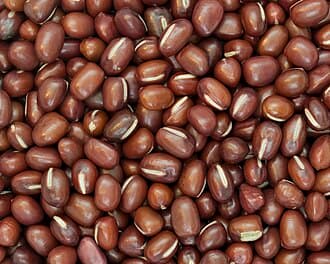 Adzuki Bean
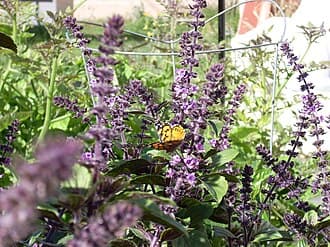 African Blue Basil
 African Marigold
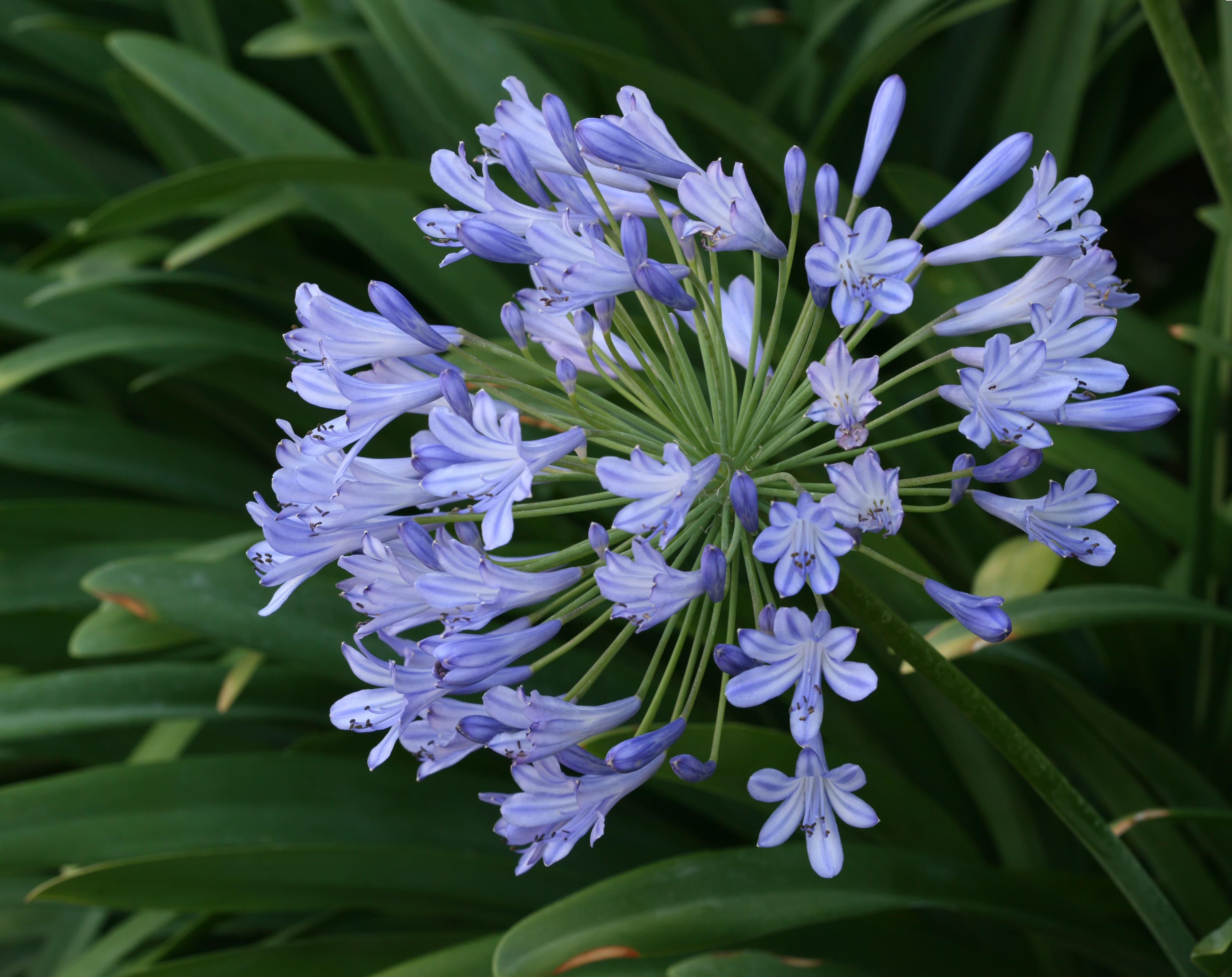 Agapanthus
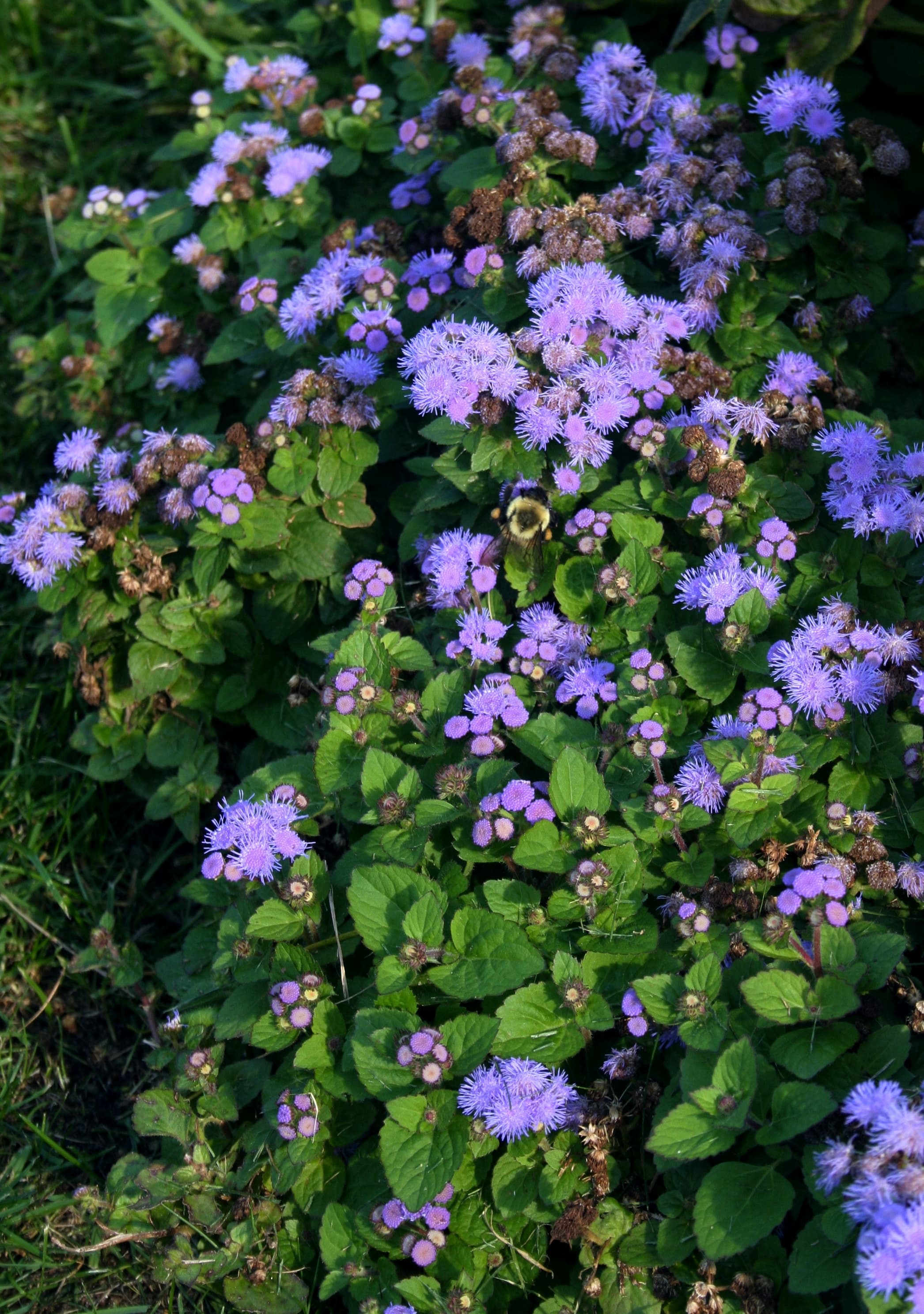 Ageratum
 Agrimony
 Aji Amarillo Pepper🍓Albion Strawberry
 Alice du Pont Mandevilla🥔All Blue Potato
 Almond
 Aloe Vera
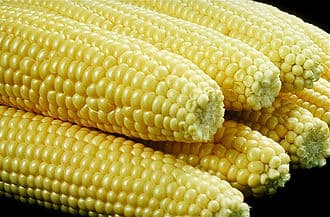 Ambrosia Corn
 American Basswood
 American Beauty Dragon Fruit
 American Beech
 American Persimmon
 Amethyst Falls Wisteria
 Amish Paste Tomato
 Anaheim Pepper
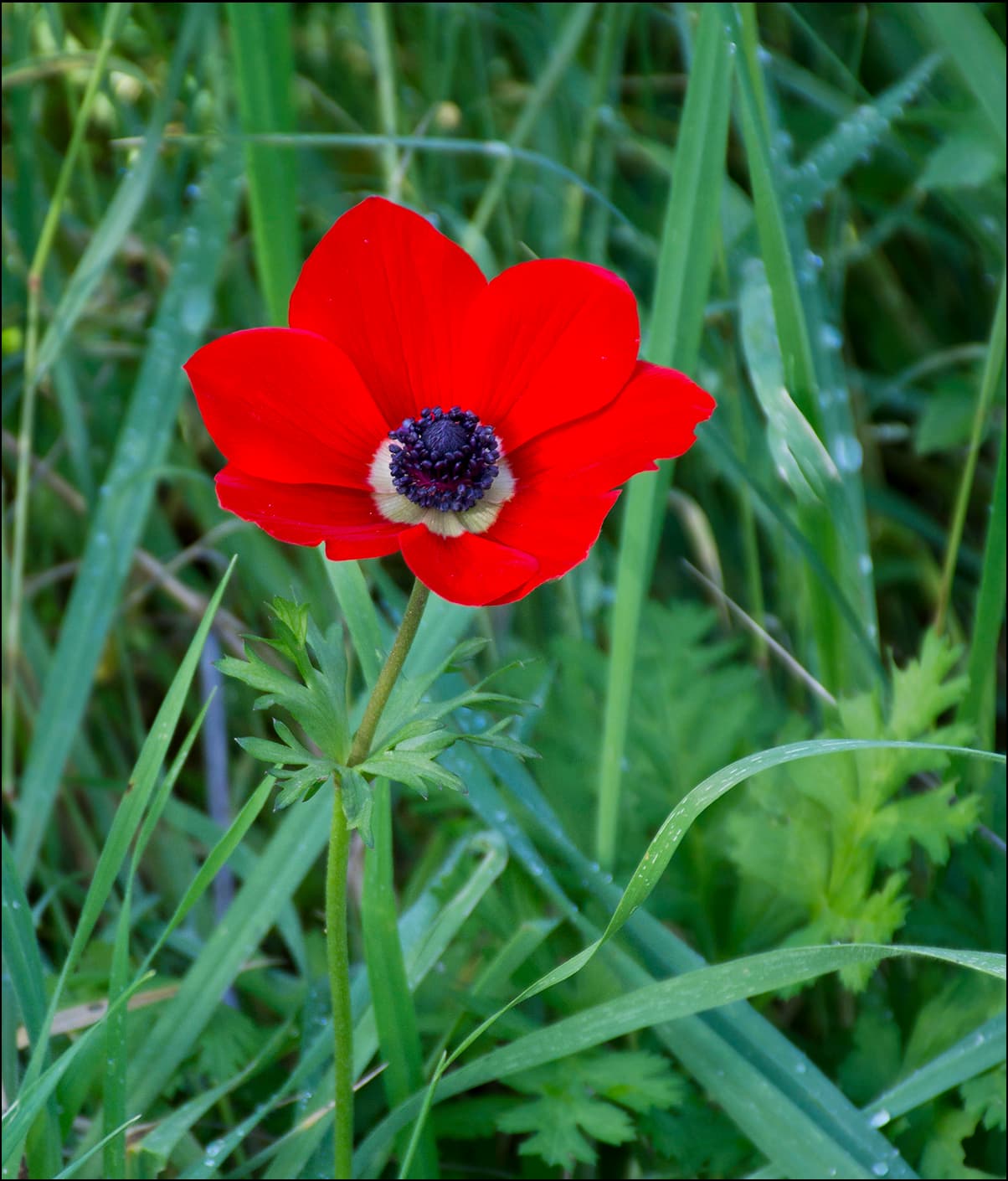 Anemone
 Angelique Tulip
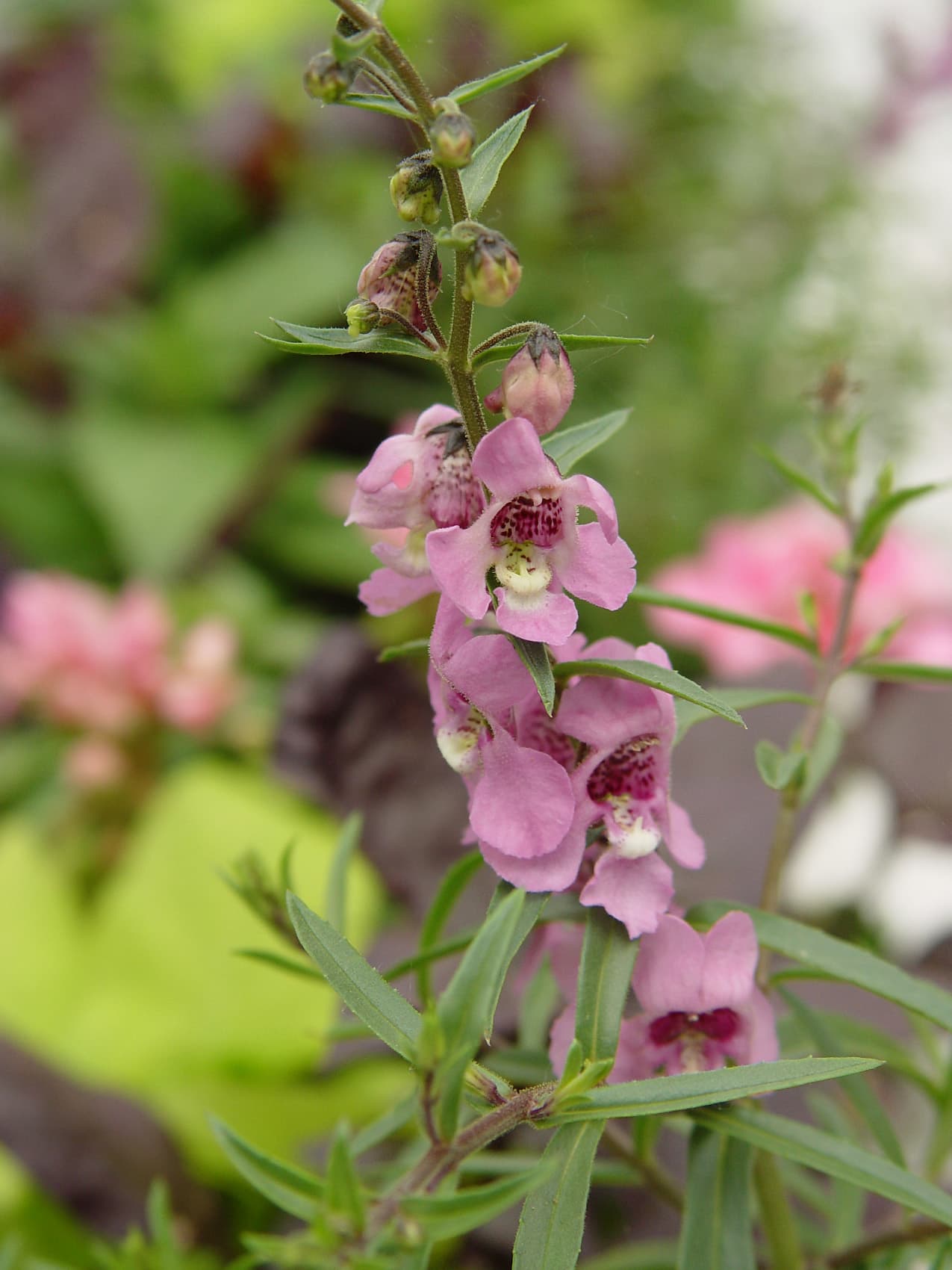 Angelonia
 Anise
Anise Anise Hyssop
 Anjou Pear
 Annabelle Smooth Hydrangea
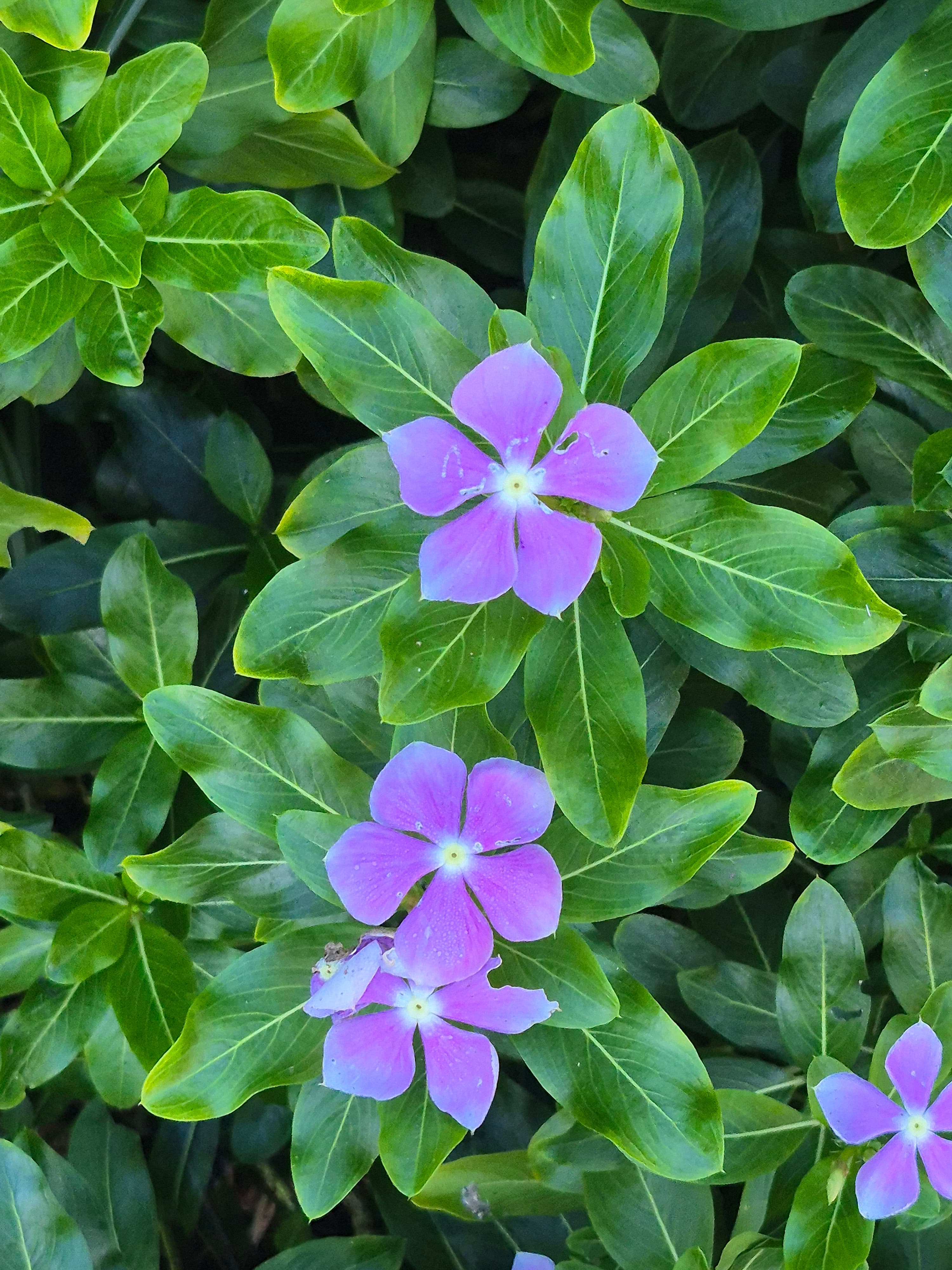 Annual Vinca
 Apeldoorn Tulip
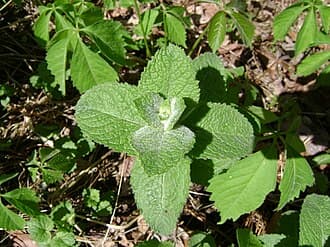 Apple Mint
 April Tryst Camellia
 Arbequina Olive
 Arizona Sun Blanket Flower
 Arkin Carambola
 Armenian Cucumber
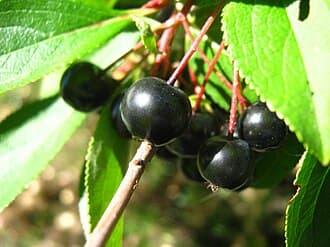 Aronia
 Arp Rosemary
 Arugula
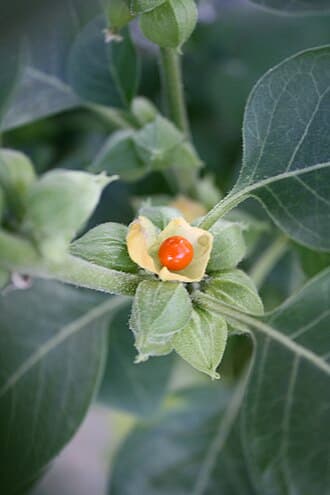 Ashwagandha
 Asian Pear
 Asian Persimmon
 Atemoya
 Atlantic Giant Pumpkin🥕Atomic Red Carrot
 Aucuba
 August Beauty Gardenia
 Aunt Molly's Ground Cherry
 Autumn Joy Sedum
 Avocado
 Bachelor's Button
 Balsam Fir
 Balsam Poplar
 Banana Pepper
 Barbara Karst Bougainvillea
 Bartlett Pear
 Bay Laurel
 Bayberry
 Beach Plum
 Beauregard Sweet Potato
 Becky Shasta Daisy
 Bee Balm🍅Beefmaster Tomato
 Benarys Giant Zinnia
 Bengal Tiger Canna
 Better Boy Tomato🥬Bibb Lettuce🍅Big Beef Tomato
 Big Boy Tomato
 Bilberry
 Bing Cherry
 Bitter Melon
 Black Bean
 Black Beauty Eggplant
 Black Beauty Zucchini
 Black Beluga Lentil
 Black Cherry Tomato
 Black Crowberry
 Black Currant🍉Black Diamond Watermelon
 Black Kabouli Chickpea
 Black Krim Tomato
 Black Raspberry
 Black Sapote🥬Black Seeded Simpson Lettuce🥕Black Spanish Radish
 Black Tartarian Cherry
 Black Walnut
 Black-Eyed Pea
 Black-eyed Susan Vine
 Blood Orange
 Bloomsdale Spinach
 Blue Bird Delphinium
 Blue Bird Rose of Sharon
 Blue Fescue
 Blue Lake Green Bean
 Bluecrop Blueberry
 Bocking 14 Comfrey
 Bok Choy
For educational and informational purposes only. Pest control advice is general guidance drawn from university cooperative extension sources; always identify a pest positively and read and follow the label on any product before use, especially around food crops, children, and pets.