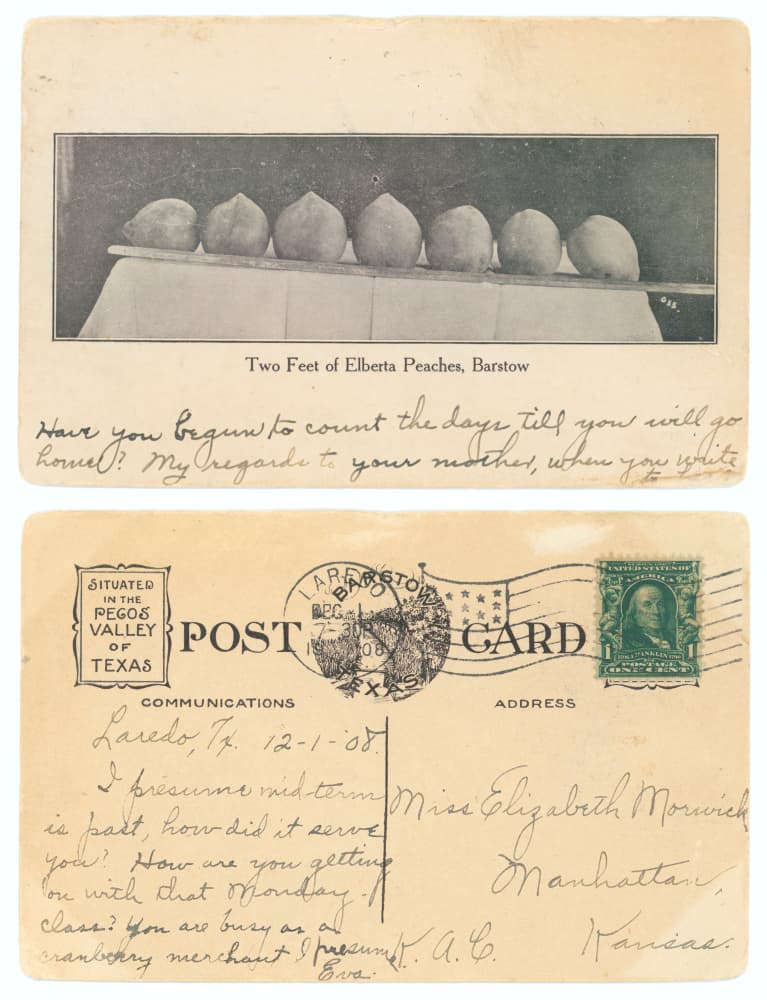
Elberta Peach
Prunus persica 'Elberta'
fruitElberta is the most famous heirloom peach, a large, freestone variety with golden, red-blushed skin and sweet, juicy yellow flesh that pulls cleanly from the pit, excellent fresh, canned, or baked. Unlike many tree fruits it is self-fruitful, so a single tree bears well, ripening its heavy crop in mid to late summer.
☀️
Sun
full sun
💧
Water
Every 5 days
🌾
Harvest
~24 months
to first harvest
📊
Difficulty
medium
🌱
Lifecycle
perennial
Comes back every year
↔️
Spacing
15-20 ft. apart
⬇️
Planting Depth
Graft union above soil
🧪
Soil pH
6.0-7.0
Growing Details
Soil Type
Rich, well-draining
Hardiness Zones
Zones 5 – 9
When to Fertilize
Early spring and after fruit set
Fertilizer
Balanced 10-10-10
🌱 Growing Guide
Plant in full sun in deep, well-drained soil, and because Elberta is self-pollinating, one tree is enough for a good crop. Peaches bear on the previous year's wood, so prune hard each year to an open vase shape to renew fruiting wood and let in light, and thin the young fruit to about six inches apart so the remaining peaches size up and the limbs do not break. Stay ahead of peach leaf curl and borers with timely care.
Planting Calendar
Sign in to personalize →🌿
Direct sow
Apr 15
🌾
Projected first harvest
Aug 3 · Year 3
JJan
FFeb
MMar
AApr
MMay
JJun
JJul
AAug
SSep
OOct
NNov
DDec
Year 1
✅ Plant alongside
Good neighbors that attract beneficial insects or deter pests
- Chives and other alliums: Scent helps deter aphids and borers around the trunk
- Nasturtium: Trap crop for aphids
- Clover groundcover: Fixes nitrogen and supports pollinators
- Garlic: Planted at the base, helps deter borers and aphids
❌ Keep away from
Tomato
🛡️ Pest & disease prevention
Proactive ways to stop trouble before it starts. Tap a name with an arrow for its full guide
Apply a copper or lime-sulfur spray while fully dormant, before buds swell
Hang pheromone traps and remove damaged shoots and drops
Keep the trunk healthy and unwounded and inspect the base for gummy frass
🌾 Harvest & storage
Pick when the ground color under the blush turns from green to deep yellow or gold and the fruit gives slightly and pulls free with a gentle twist, smelling sweetly of peach. Tree-ripened fruit has the best flavor but bruises easily, so handle it gently and use or preserve it quickly.
🥗 Nutrition & benefits
Peaches are low in calories and a good source of vitamin C and vitamin A, with fiber, potassium, and antioxidants, and their sweet, juicy flesh makes them a wholesome warm-weather treat.
⚠️ Toxicity & safety
Eat the flesh, not the pit. The kernel inside the pit contains amygdalin, a cyanide-releasing compound - discard the pits and never eat or crush the seeds inside.
For educational and informational purposes only. HomeSown is not medical, health, or other professional advice. Always positively identify any plant before handling or eating it; some plants, and some parts of otherwise-edible plants, are toxic. Consult a qualified professional before consuming or otherwise using any plant, especially if you are pregnant, nursing, taking medication, or have a health condition.