
Oriental Fruit Moth
Grapholita molesta
A small moth whose caterpillars first bore into tender shoot tips and later tunnel into the fruit of peach, nectarine, and other stone fruit, making them a leading wormy-fruit pest of orchards. With several overlapping generations a year, it can wilt shoots in spring and ruin fruit at harvest.
🔎 How to spot it
The adult is a small gray-brown moth with a wingspan of about half an inch and mottled wings that blend into bark. The caterpillar is pinkish-white with a brown head, up to about half an inch long, and is best told from the codling moth larva by the small dark comb on the tip of its last segment. Early damage shows as wilted, dying shoot tips, while later the fruit hides the larva inside.
🥀 Damage it causes
The first generations bore into the soft growing tips, killing them so the shoots wilt and bend over in a shepherds-crook, which stunts young trees and shapes growth. Later generations tunnel into the fruit, often entering at the stem end and feeding around the pit, leaving gummy holes and brown frass and a worm in the fruit at harvest. A few percent shoot strike can become heavy fruit infestation if generations build unchecked.
🛡️ Prevent it
Prune out and destroy wilted, infested shoot tips through the season to remove larvae before they mature, and clean up dropped and culled fruit. Keep an eye on nearby unmanaged stone fruit, which seeds infestations. In small plantings, mating-disruption dispensers that confuse the males can lower fruit damage where enough trees are grown together.
🧯 If it is already here
Time any sprays with pheromone traps and a degree-day model rather than spraying blindly, since the moth has multiple generations and treatment must hit the egg-hatch window; the naturally derived spinosad and Bacillus thuringiensis are options for the home orchard. Mating disruption and the orchard sanitation of removing strikes and drops are the backbone of low-spray control. Bagging individual fruit protects a few prized peaches.
💡 Good to know
Oriental fruit moth is easily confused with codling moth, but its early attack on shoot tips, the shepherds-crook wilting, and the anal comb on the larva distinguish it. Because it overwinters in ground litter and bark crevices, fall cleanup reduces the next year first flight. Trapping to time treatment is what separates effective control from wasted sprays.
🌱 Plants it attacks
30 plants in the library can be attacked by this pest
 Almond
 Aunt Molly's Ground Cherry
 Beach Plum
 Bing Cherry
 Black Tartarian Cherry
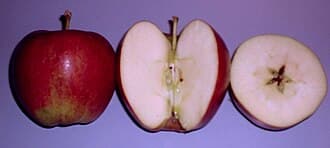 Braeburn Apple
 Contender Peach
 Cornelian Cherry
 Cortland Apple
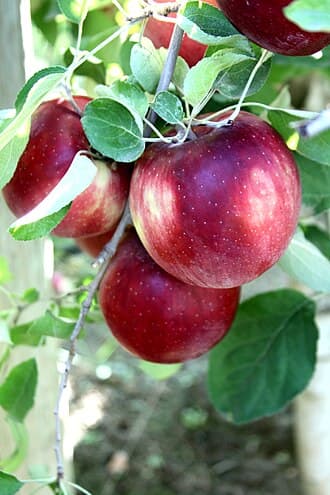 Cosmic Crisp Apple
 Damson Plum
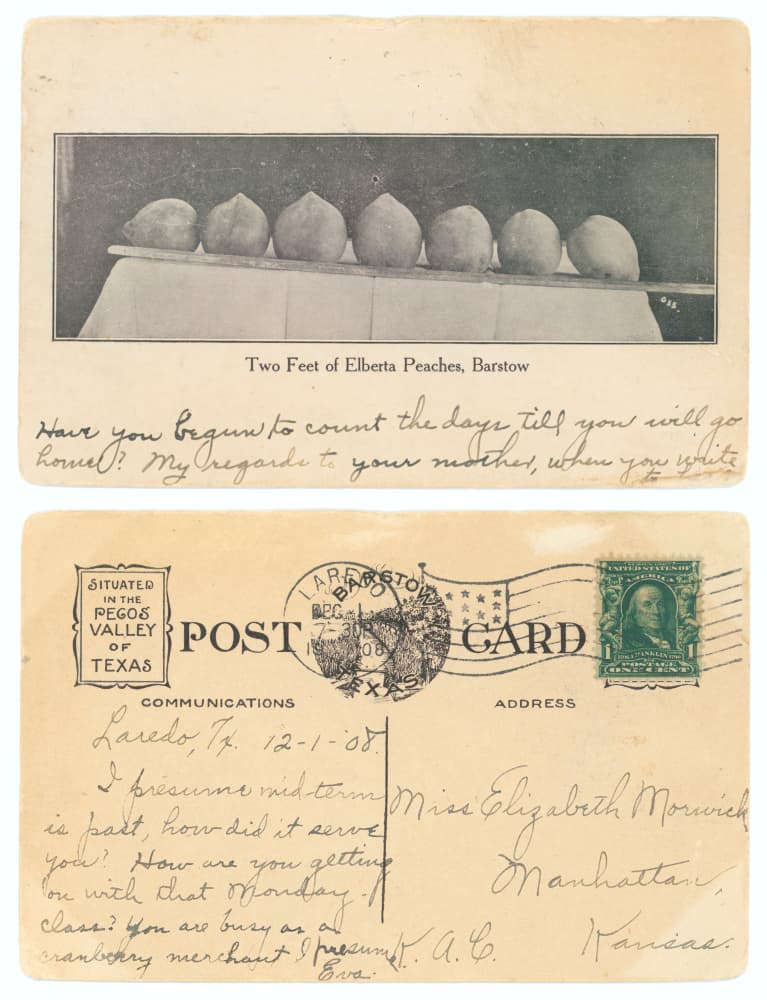 Elberta Peach
 Fantasia Nectarine
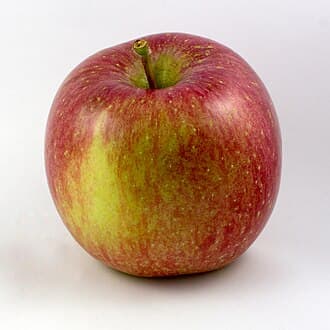 Fuji Apple
 Gala Apple
 Granny Smith Apple
 Honeycrisp Apple
 McIntosh Apple
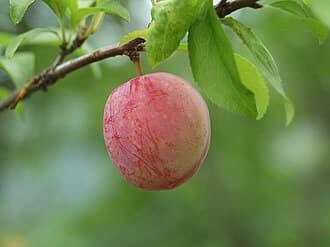 Methley Plum
 Montmorency Cherry
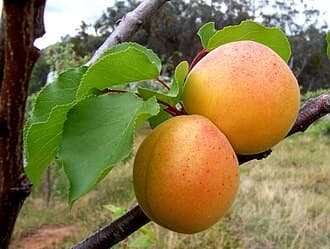 Moorpark Apricot
 Nanking Cherry
 Pink Lady Apple
 Quince
 Rainier Cherry
 Red Delicious Apple
 Redhaven Peach
 Stanley Plum
 Sugar Apple
 Texas Scarlet Flowering Quince
For educational and informational purposes only. Pest control advice is general guidance drawn from university cooperative extension sources; always identify a pest positively and read and follow the label on any product before use, especially around food crops, children, and pets.