Inkberry
Ilex glabra 'Shamrock'
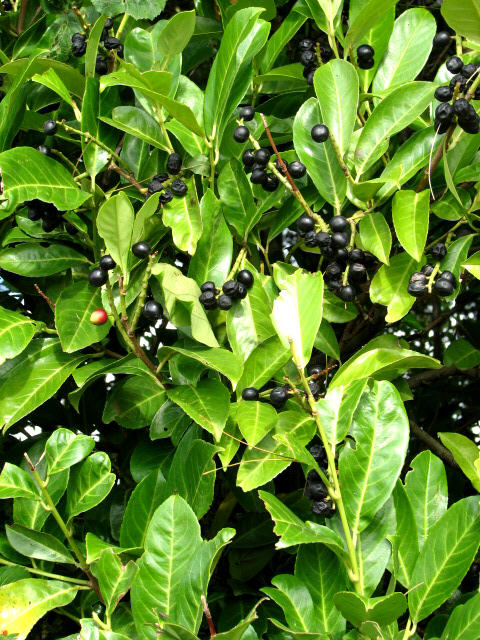
treeInkberry (Ilex glabra) is an evergreen holly native to the coastal plain from Nova Scotia to Florida and Louisiana, grown for its neat rounded form and small, smooth, spineless dark-green leaves - an excellent native alternative to boxwood for hedges and foundations. The compact cultivar Shamrock holds a tidy 3 to 5 ft. Inkberry is dioecious, so a female bears its small black berries only when a male grows nearby. The species suckers to form colonies and naturally drops its lowest leaves with age; choosing dense modern cultivars keeps it full to the base.
☀️
Sun
full sun to partial shade
💧
Water
Every 10 days
🌾
Harvest
~60 days
📊
Difficulty
easy
🌱
Lifecycle
perennial
Comes back every year
↔️
Spacing
3-4 ft apart for a hedge
⬇️
Planting Depth
Set at the same depth it grew in the nursery pot
🧪
Soil pH
4.5-6.0
Growing Details
Soil Type
Acidic, sandy or clay; tolerates wet
Hardiness Zones
Zones 4 – 9
When to Fertilize
In early spring as new growth begins
Fertilizer
Acidic (holly or azalea) fertilizer
🌱 Growing Guide
Grow inkberry in full sun to partial shade in moist, acidic soil; it is a wetland-edge native that tolerates poorly drained and occasionally wet sites far better than most shrubs, yet also handles average garden soil. Keep it acidic, as alkaline soil causes yellowing. Water through dry spells, especially while establishing. To keep an older plant from going bare at the bottom, prune in late winter and choose compact cultivars such as Shamrock, Gem Box, or Densa. For berries, plant a male pollinator within range of the female plants.
Planting Calendar
Sign in to personalize →🌿
Direct sow
Apr 15
🌾
Projected first harvest
Jun 14
JJan
FFeb
MMar
AApr
MMay
JJun
JJul
AAug
SSep
OOct
NNov
DDec
✅ Plant alongside
Good neighbors that attract beneficial insects or deter pests
- Fern: Shares the moist, acidic, part-shade conditions and softens the base of the shrub
- Winterberry: A related native holly that extends the berry display and likes the same damp ground
- Switchgrass: A native grass that pairs in rain gardens and damp borders with inkberry
🛡️ Pest & disease prevention
Proactive ways to stop trouble before it starts. Tap a name with an arrow for its full guide
Larvae tunnel inside leaves leaving trails; prune out heavily mined growth and support plant vigor
Waxy bumps on stems suck sap; treat with horticultural oil and prune infested twigs
A cool-season mite that stipples leaves; rinse foliage and monitor in spring and fall
🌾 Harvest & storage
Inkberry is grown as a native evergreen hedge, not for harvest. The main task is light renewal pruning in late winter to keep it dense and full to the ground, since older plants tend to lose their lower leaves. Removing some suckers keeps a single clump tidy.
🥗 Nutrition & benefits
Inkberry is an ornamental native landscape shrub, not edible. Its value is evergreen boxwood-like structure, wildlife berries for birds, and tolerance of wet, acidic sites.
⚠️ Toxicity & safety
Inkberry produces small black berries that contain saponins and are mildly toxic if eaten in quantity, causing vomiting or diarrhea. They are not a serious hazard but are not edible; keep curious children from grazing on them.
For educational and informational purposes only. HomeSown is not medical, health, or other professional advice. Always positively identify any plant before handling or eating it; some plants, and some parts of otherwise-edible plants, are toxic. Consult a qualified professional before consuming or otherwise using any plant, especially if you are pregnant, nursing, taking medication, or have a health condition.