
Southern Red Mite
Oligonychus ilicis
A cool-season spider mite that is the most important mite pest of broad-leaved evergreens such as azalea, holly, camellia, and rhododendron. It feeds on the undersides of leaves and bronzes and stipples the foliage, building up in spring and fall.
🔎 How to spot it
Adults are tiny, about half a millimeter, oval, and purplish to reddish with eight legs, feeding mostly on the undersides of leaves; the overwintering eggs are red and dot the lower leaf surface. Tap a branch over white paper to see the slow-moving mites; faster, longer-legged mites are predators to spare. Stippled, dull, off-color leaves are the first clue.
🥀 Damage it causes
Feeding removes leaf-cell contents, so foliage becomes finely stippled and then bronzed, dull, or grayish, especially on the underside, and heavy infestations cause leaf drop and weaken the plant. Because it is a cool-season mite, the worst damage shows in spring and again in fall.
🛡️ Prevent it
Keep susceptible evergreens healthy and not drought-stressed, and scout the undersides of leaves in early spring and fall when the mite is active, tapping foliage over white paper to catch build-ups early. Look for the red overwintering eggs on leaf undersides from late fall through early spring, and conserve the predatory mites that help hold numbers down.
🧯 If it is already here
Treat when stippling and active mites first appear in the cool seasons: a horticultural oil or insecticidal soap applied to the leaf undersides controls light infestations with little harm to beneficials, and a dormant oil on the egg-laden undersides reduces spring populations. Heavier infestations may need a miticide; avoid carbaryl and other broad insecticides that flare mites by killing their predators.
💡 Good to know
Unlike summer spider mites, this one is active in cool weather and goes dormant in midsummer heat, so spring and fall are the times to scout and treat. Holly, inkberry, azalea, camellia, and rhododendron are the plants to watch most closely.
🌱 Plants it attacks
190 plants in the library can be attacked by this pest
 Adzuki Bean
 African Marigold
 Aji Amarillo Pepper🍓Albion Strawberry
 Alice du Pont Mandevilla
 Anaheim Pepper
 Anise Hyssop
 Apple Mint
 April Tryst Camellia
 Armenian Cucumber
 Arp Rosemary
 Ashwagandha
 Banana Pepper
 Becky Shasta Daisy
 Bee Balm
 Bitter Melon
 Black Bean
 Black Beauty Eggplant🍉Black Diamond Watermelon
 Black-eyed Susan Vine
 Blue Lake Green Bean🥒Boston Pickling Cucumber
 Burning Bush
 Calamondin
 Calibrachoa
 Cannellini Bean
 Cantaloupe
 Carolina Reaper Pepper
 Casaba Melon
 Cassava
 Catnip
 Cayenne Pepper
 Charleston Gray Watermelon
 Chayote
 Chocolate Mint
 Climbing Prairie Rose
 Coleus
 Coral Drift Groundcover Rose
 Cranberry Bean
 Cranberry Cotoneaster
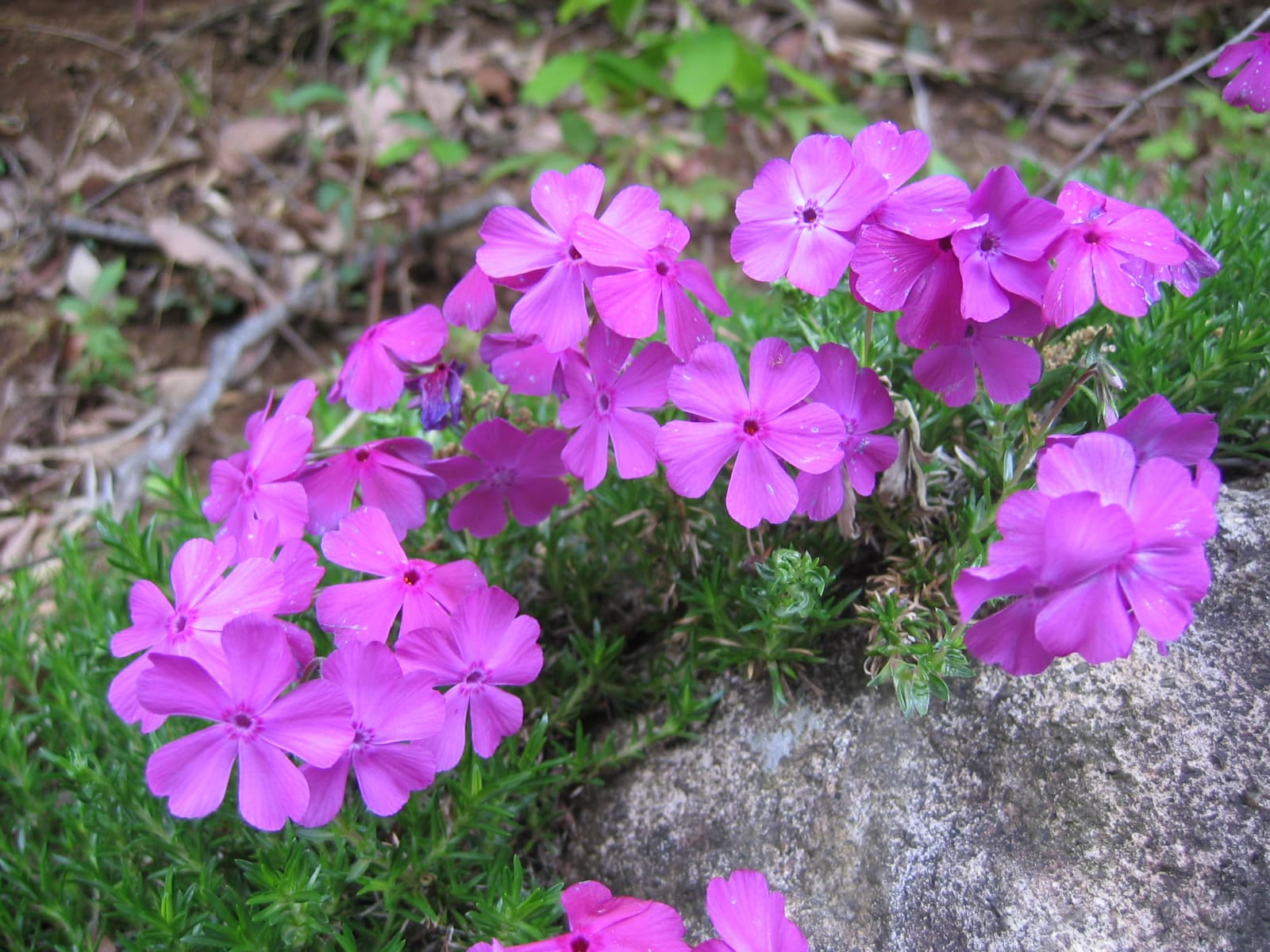 Creeping Phlox
 Crenshaw Melon
 Crimson Sweet Watermelon
 Cuban Oregano
 Cubanelle Pepper
 David Garden Phlox🥒Diva Cucumber
 Dwarf Yaupon Holly
 Early Amethyst Beautyberry
 Elderberry
 Endless Summer Hydrangea🥒English Cucumber
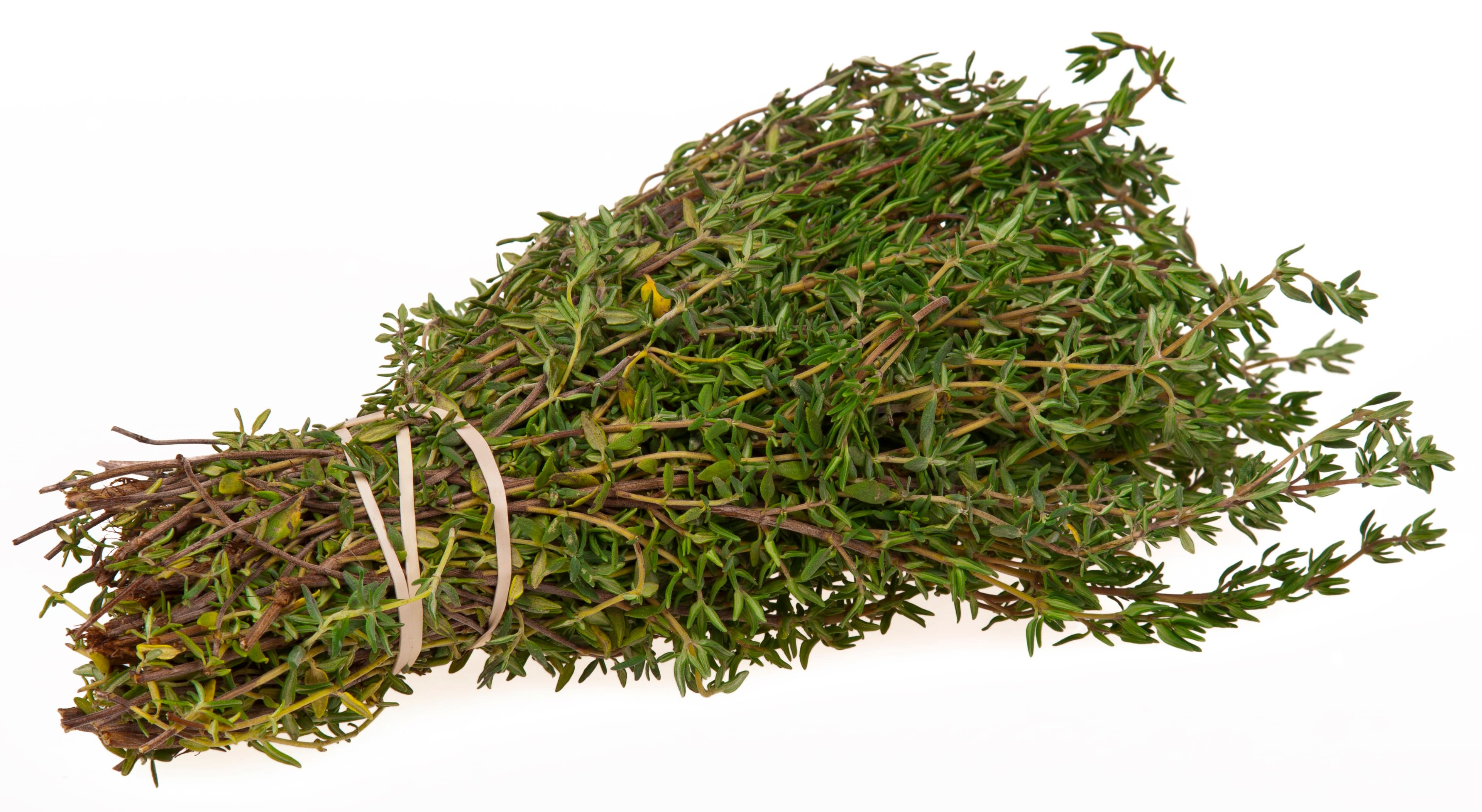 English Thyme
 Eureka Lemon
 Fairy Tale Eggplant
 Fanal Astilbe
 Flamingo Feather Celosia
 Fordhook 242 Lima Bean
 French Marigold
 French Tarragon
 Fresno Pepper
 Galia Melon
 Garden Sage
 Garvinea Sweet Glow Gerbera
 Ghost Pepper
 Ginger
 Globe Amaranth
 Goji Berry
 Goldflame Spirea
 Graham Thomas English Rose
 Grapefruit
 Greek Oregano
 Green Bell Pepper
 Habanero Pepper
 Hansa Rugosa Rose
 Honeoye Strawberry
 Honeydew Melon
 Hops
Hops Hummingbird Summersweet
 Hungarian Wax Pepper
 Iceberg Floribunda Rose
 Indigo Rose Tomato
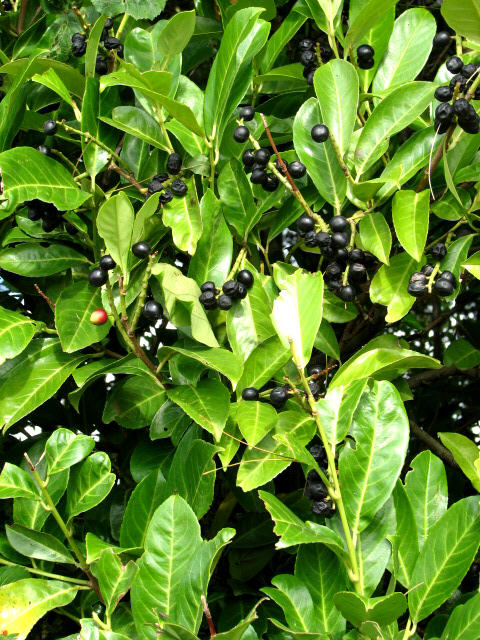 Inkberry
 Italian Eggplant
 Italian Flat-Leaf Parsley🌿Italian Oregano
 Ivy Gourd
 Jackmanii Clematis
 Jalapeño Pepper
 Japanese Eggplant
 Japanese Holly
 Jicama🍉Jubilee Watermelon
 June-Bearing Strawberry
 Karen Azalea
 Kentucky Wonder Pole Bean
 Key Lime
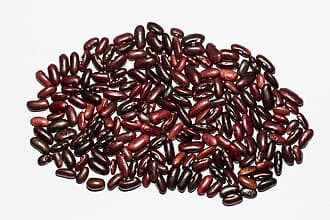 Kidney Bean
 Kirby Cucumber
 Knock Out Rose
For educational and informational purposes only. Pest control advice is general guidance drawn from university cooperative extension sources; always identify a pest positively and read and follow the label on any product before use, especially around food crops, children, and pets.