Use with caution
Motherwort is a traditional medicinal herb, not a culinary green. It is a uterine stimulant and is contraindicated during pregnancy and breastfeeding; it may also add to the effect of sedative, blood-thinning, or heart medications, and handling the prickly, hairy flower heads can irritate sensitive skin. Use it only in measured amounts and consult a professional before any medicinal use.
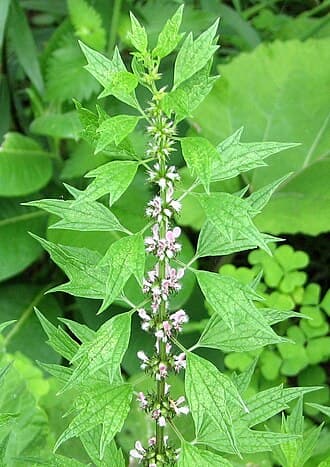
Motherwort
Leonurus cardiaca
herbMotherwort (Leonurus cardiaca) is a tall, hardy, somewhat rangy mint-family perennial with distinctive deeply lobed, almost palm-like lower leaves and tiered whorls of small pink flowers wrapped in spiny calyxes up the square stems. Reaching 3 to 5 ft, it is an old cottage-garden plant - its very name, and the species epithet cardiaca, reflect a long folk tradition, and it is harvested as the flowering tops. It is extremely tough, drought-tolerant once established, and self-seeds enthusiastically, so it is best sited where it can naturalize. Bees work the flowers, though the prickly seed heads can catch on clothing.
☀️
Sun
full sun
💧
Water
Every 7 days
🌾
Harvest
~80 days
📊
Difficulty
easy
🌱
Lifecycle
perennial
Comes back every year
↔️
Spacing
18-24 in. apart
⬇️
Planting Depth
Barely cover; cold-stratify helps
🧪
Soil pH
6.0-7.5
Growing Details
Soil Type
Average, well-draining
Hardiness Zones
Zones 3 – 8
When to Fertilize
None to light
Fertilizer
None; low needs
🌱 Growing Guide
Motherwort thrives on neglect in average, well-drained soil in full sun to part shade. Sow seed in spring or fall - it benefits from a couple of weeks of cold, moist stratification - barely covering it, and thin to about 18 to 24 in. apart, as plants grow large. It needs little water or feeding once established and tolerates poor soil. Its main management issue is prolific self-seeding: cut the plants back after flowering, before the seed ripens, to keep it from spreading across the garden. Divide clumps in spring if you want more.
Planting Calendar
Sign in to personalize →🌱
Start seeds indoors
Mar 4
🌿
Transplant outdoors
Apr 29
🌾
Projected first harvest
Jul 18
JJan
FFeb
MMar
AApr
MMay
JJun
JJul
AAug
SSep
OOct
NNov
DDec
✅ Plant alongside
Good neighbors that attract beneficial insects or deter pests
- Lemon Balm: A fellow easygoing mint-family herb that enjoys the same sunny, average conditions
- Yarrow: A tough, drought-hardy companion that draws beneficial insects to the bed
- Catnip: Another vigorous mint relative that pairs in a low-care, pollinator-friendly herb planting
🛡️ Pest & disease prevention
Proactive ways to stop trouble before it starts. Tap a name with an arrow for its full guide
Hose colonies from the flowering stems; rarely a serious problem on this robust herb
Appear on drought-stressed plants - they are uncommon and easily rinsed off
🌾 Harvest & storage
Harvest the upper flowering tops and leaves just as the plant comes into full bloom in early summer, cutting the top third of the stems; wear gloves and long sleeves, as the spiny flower calyxes can prickle. Dry the cut tops in a shaded, airy place for tea and tincture. Cutting in bloom also helps prevent the heavy self-seeding. The flavor is notably bitter, so it is used as a measured herb rather than a culinary green.
🥗 Nutrition & benefits
Motherwort is a bitter herb grown for traditional use rather than eating, the dried flowering tops steeped into a tea or made into a tincture in the long folk tradition its name reflects. In the garden it is a tough, pollinator-friendly perennial for a wild or herb corner, asking almost nothing and returning year after year.
⚠️ Toxicity & safety
Motherwort is a traditional medicinal herb, not a culinary green. It is a uterine stimulant and is contraindicated during pregnancy and breastfeeding; it may also add to the effect of sedative, blood-thinning, or heart medications, and handling the prickly, hairy flower heads can irritate sensitive skin. Use it only in measured amounts and consult a professional before any medicinal use.
For educational and informational purposes only. HomeSown is not medical, health, or other professional advice. Always positively identify any plant before handling or eating it; some plants, and some parts of otherwise-edible plants, are toxic. Consult a qualified professional before consuming or otherwise using any plant, especially if you are pregnant, nursing, taking medication, or have a health condition.