
Spider Mites
Family Tetranychidae
Nearly microscopic sap-feeders, more closely related to spiders than insects, that erupt in hot, dry, dusty weather. The first sign is usually a fine pale stippling on the leaves; by the time you notice webbing, the colony is already large.
🔎 How to spot it
At less than 1/20 inch, spider mites sit at the edge of what the eye can see; a hand lens shows oval, eight-legged specks in shades of green, yellow, or red on the undersides of leaves. The clearest clues are the damage and the fine silken webbing they spin over leaves and shoot tips. Tap a suspect leaf over white paper and watch for tiny moving dots. Damage shows first as light stippling, then leaves that turn yellow, bronzed, or dry and drop.
🥀 Damage it causes
Spider mites pierce individual leaf cells and suck out the contents, leaving a fine pale stippling that spreads until leaves yellow, bronze, curl, and fall. Heavy infestations coat leaves, stems, and fruit in webbing and can defoliate or kill a stressed plant. Damage is fastest and worst in hot, dry, dusty conditions.
🛡️ Prevent it
Keep plants well-watered and unstressed, since drought-stressed plants suffer the most. Hose dust off the foliage and wet down dusty paths nearby, because dust encourages mites. Above all, avoid broad-spectrum insecticides such as carbaryl and pyrethroids, which wipe out the predatory mites and insects that normally hold spider mites down and often trigger a worse outbreak.
🧯 If it is already here
Knock populations back with a regular, forceful spray of water on the leaf undersides. For heavier infestations, apply insecticidal soap or a horticultural or neem oil, coating the undersides thoroughly and repeating, since these work only on contact. Conserve and lean on natural enemies; predatory mites are especially effective.
💡 Good to know
Spider mites reproduce explosively in warm weather, completing a generation in under a week, so populations can explode between waterings. Their natural enemies, including predatory mites, lady beetles, lacewings, and minute pirate bugs, usually keep them in check unless pesticides or dust knock the predators out. The two-spotted spider mite is the most common garden species.
🌱 Plants it attacks
714 plants in the library can be attacked by this pest
 Acorn Squash
 Adirondack Blue Potato
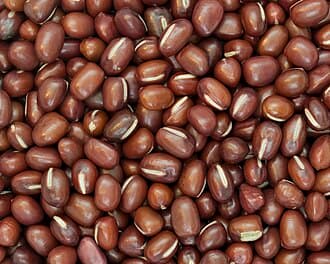 Adzuki Bean
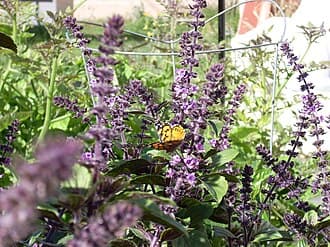 African Blue Basil
 African Marigold
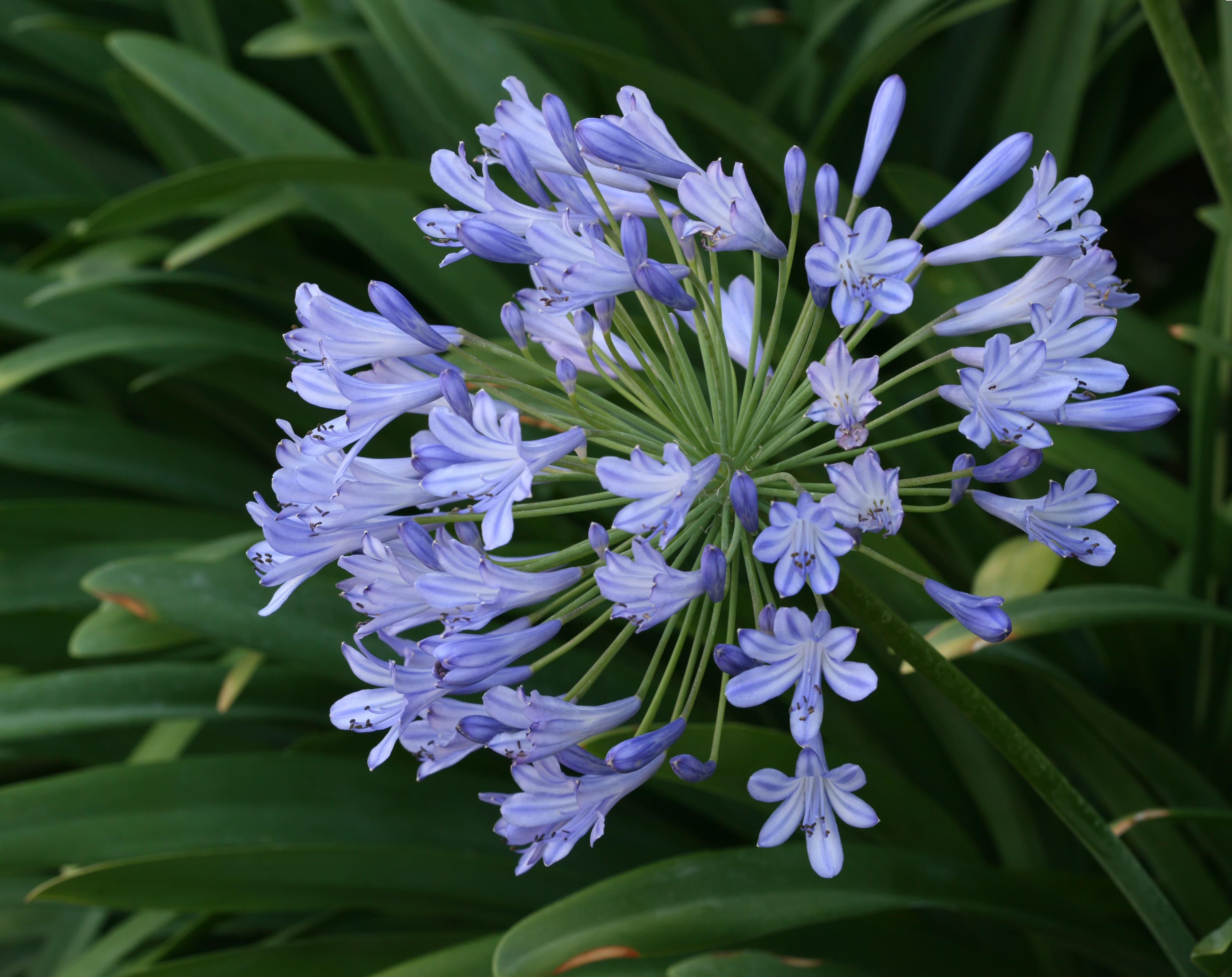 Agapanthus
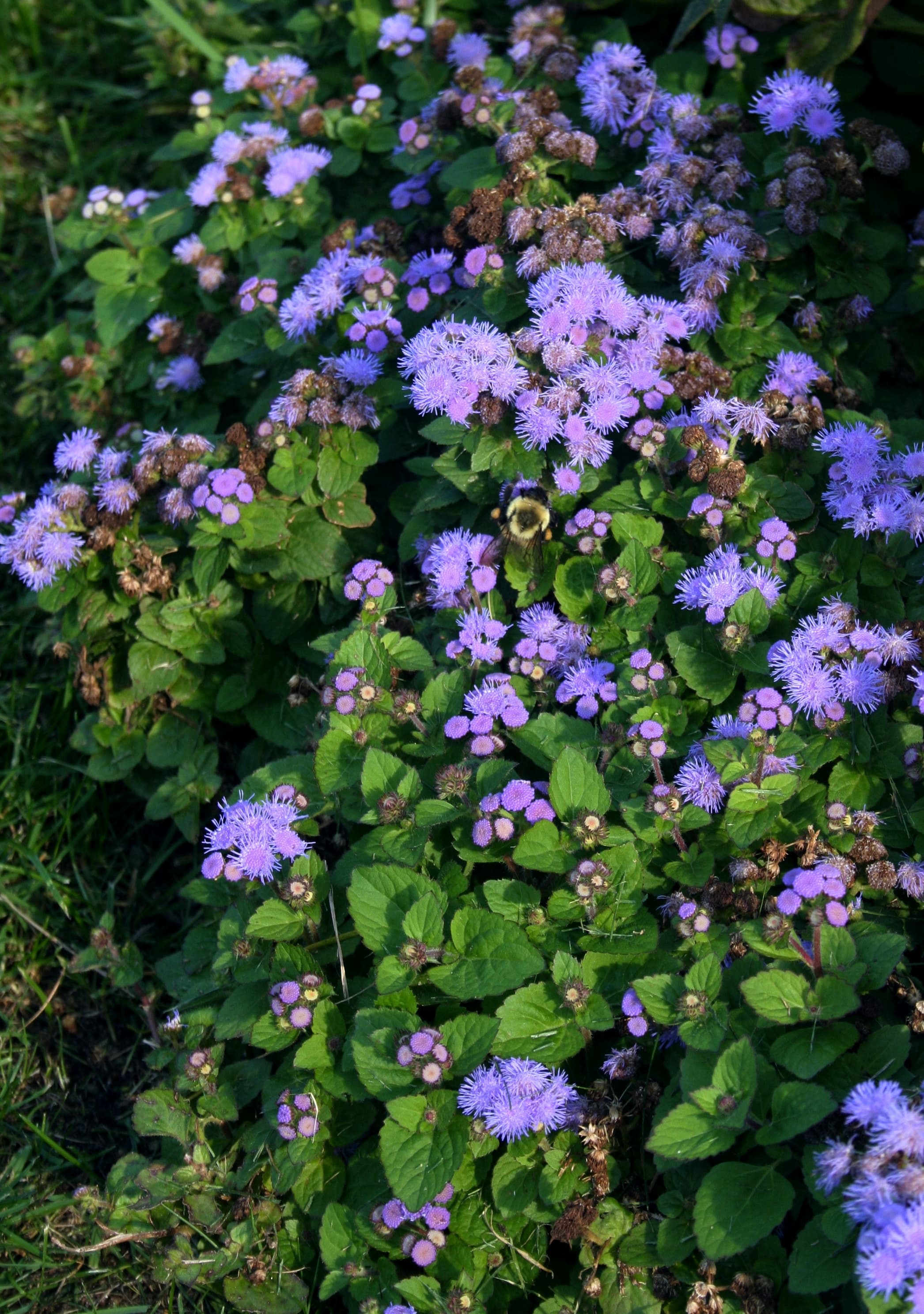 Ageratum
 Agrimony
 Aji Amarillo Pepper🍓Albion Strawberry
 Alice du Pont Mandevilla🥔All Blue Potato
 Almond
 Aloe Vera
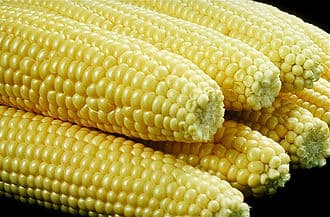 Ambrosia Corn
 American Basswood
 American Beauty Dragon Fruit
 American Beech
 American Persimmon
 Amethyst Falls Wisteria
 Amish Paste Tomato
 Anaheim Pepper
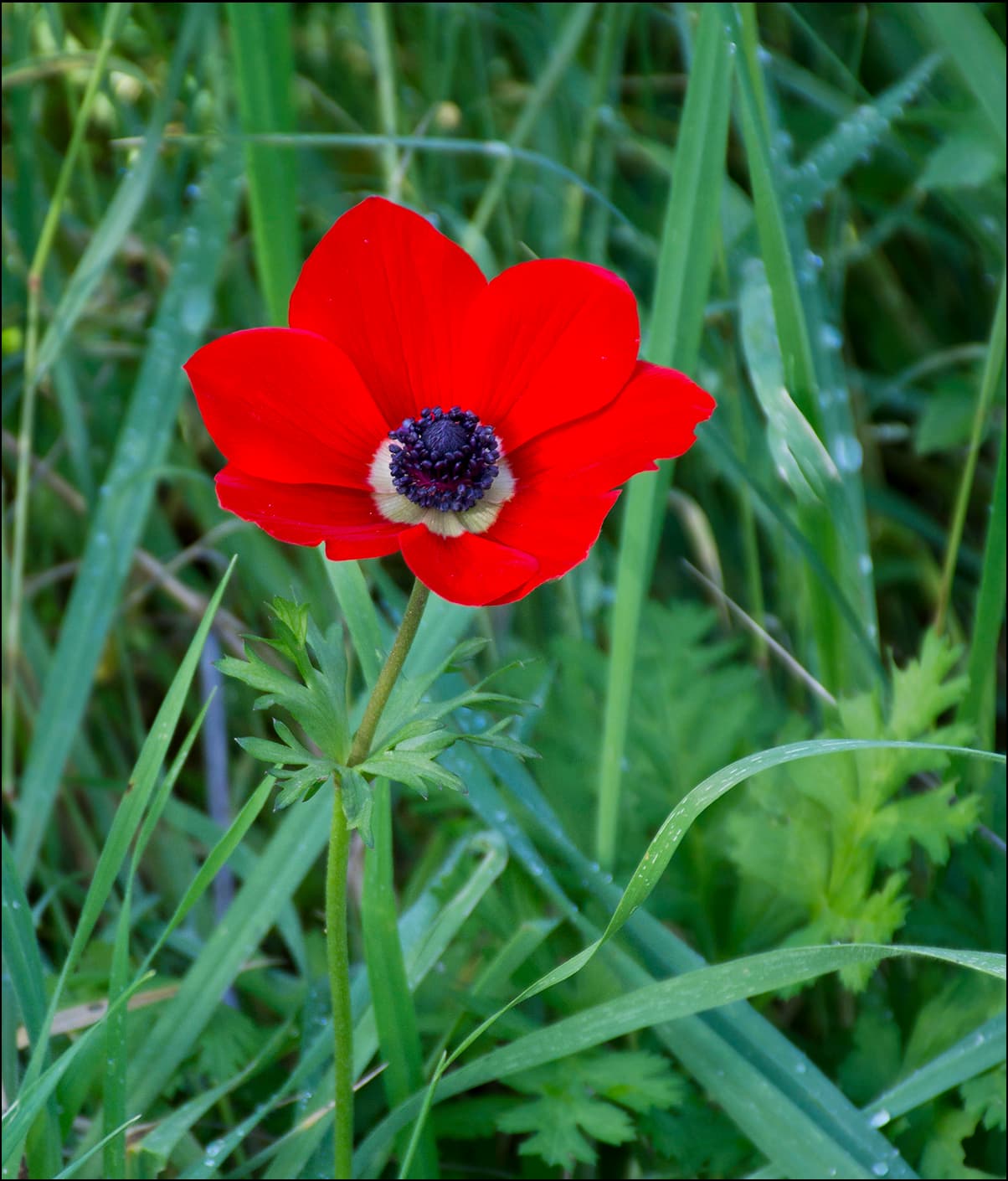 Anemone
 Angelique Tulip
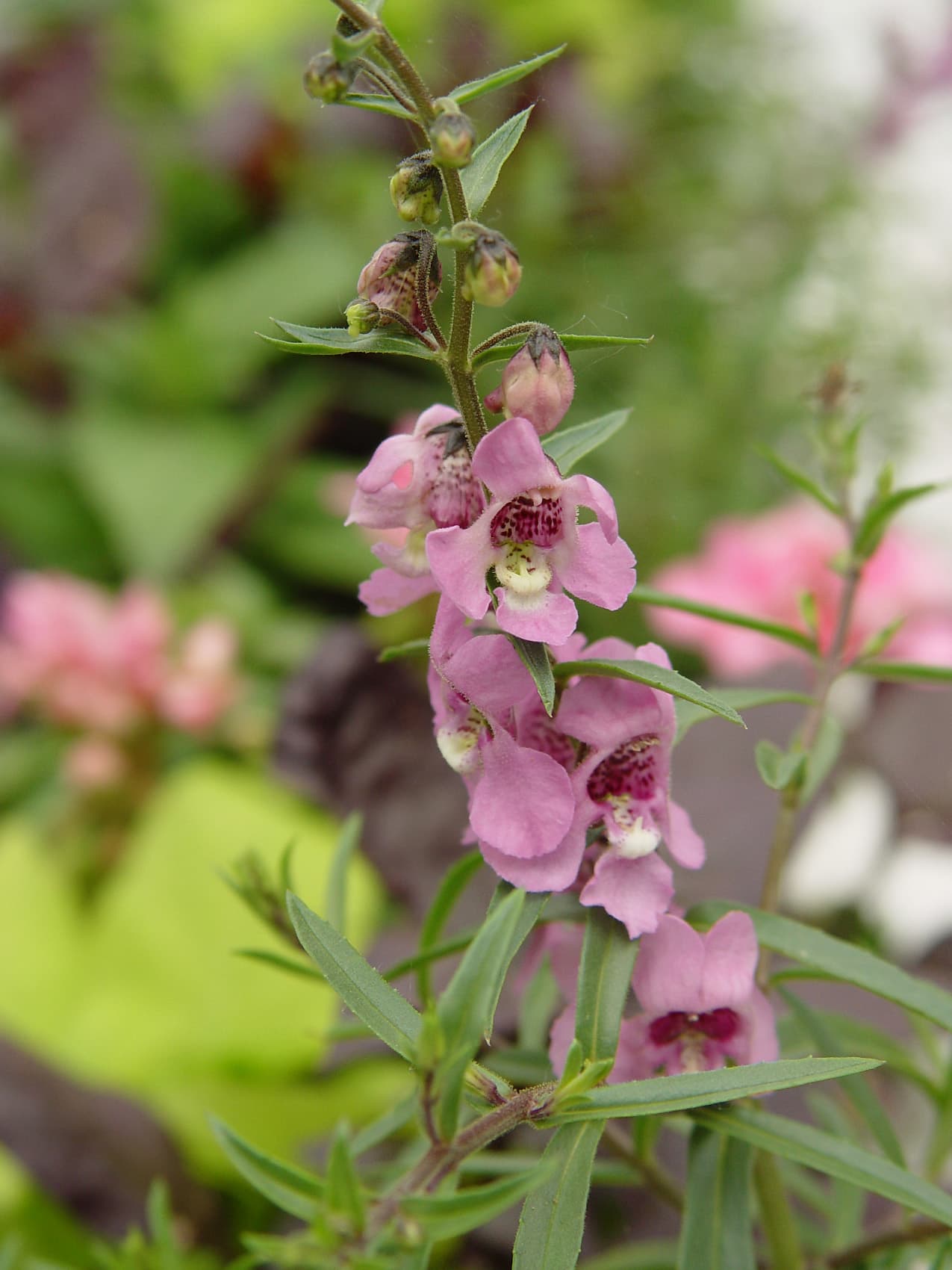 Angelonia
 Anise
Anise Anise Hyssop
 Anjou Pear
 Annabelle Smooth Hydrangea
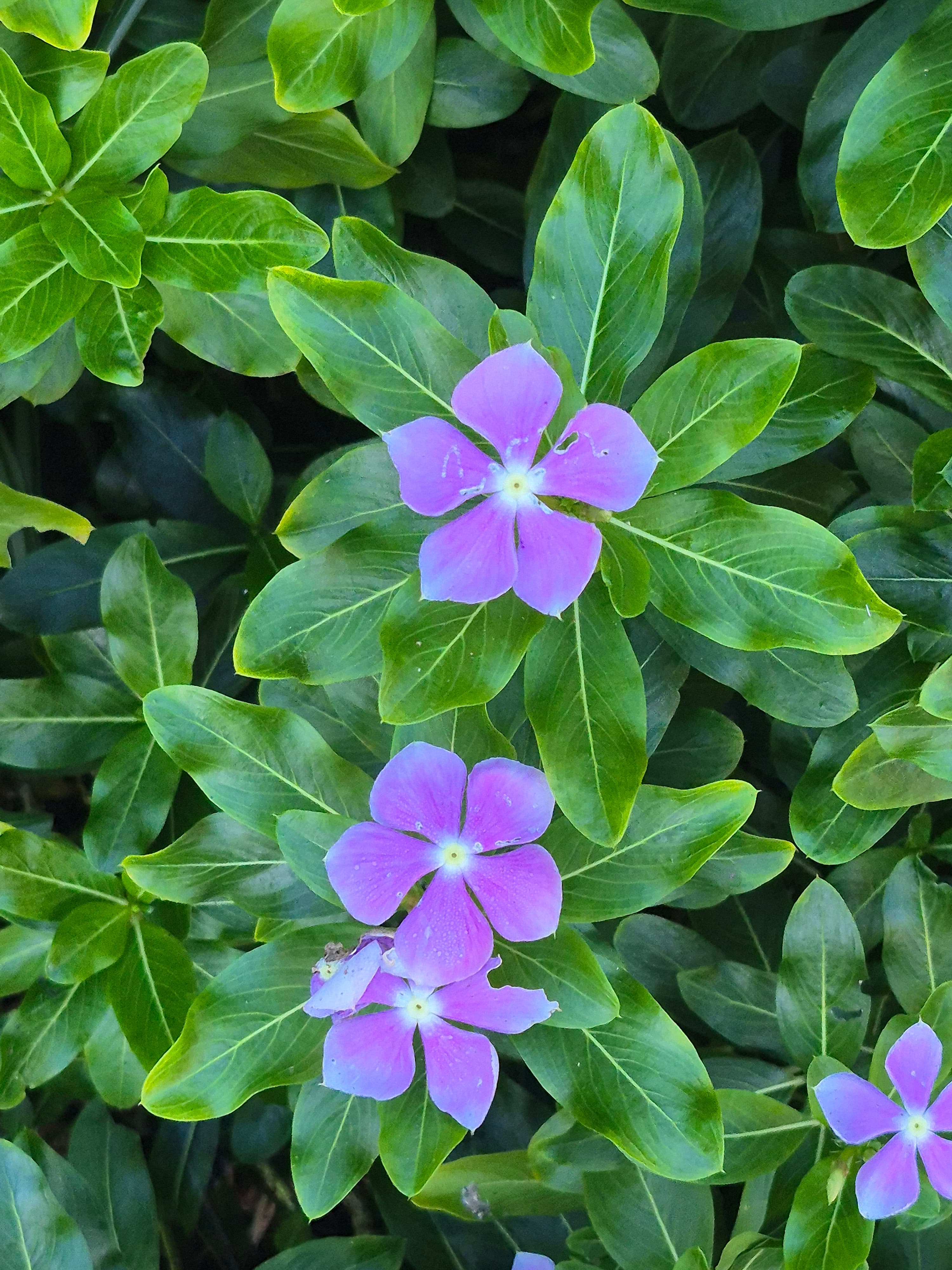 Annual Vinca
 Apeldoorn Tulip
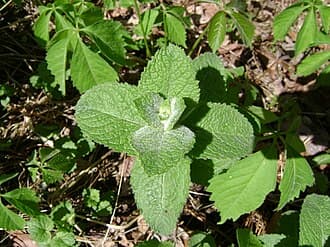 Apple Mint
 April Tryst Camellia
 Arbequina Olive
 Arizona Sun Blanket Flower
 Arkin Carambola
 Armenian Cucumber
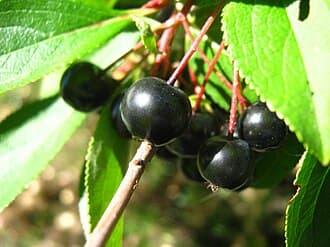 Aronia
 Arp Rosemary
 Arugula
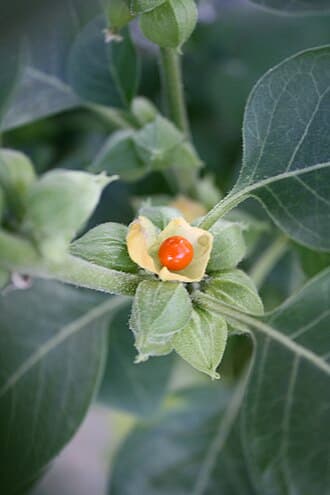 Ashwagandha
 Asian Pear
 Asian Persimmon
 Atemoya
 Atlantic Giant Pumpkin🥕Atomic Red Carrot
 Aucuba
 August Beauty Gardenia
 Aunt Molly's Ground Cherry
 Autumn Joy Sedum
 Avocado
 Bachelor's Button
 Balsam Fir
 Balsam Poplar
 Banana Pepper
 Barbara Karst Bougainvillea
 Bartlett Pear
 Bay Laurel
 Bayberry
 Beach Plum
 Beauregard Sweet Potato
 Becky Shasta Daisy
 Bee Balm🍅Beefmaster Tomato
 Benarys Giant Zinnia
 Bengal Tiger Canna
 Better Boy Tomato🥬Bibb Lettuce🍅Big Beef Tomato
 Big Boy Tomato
 Bilberry
 Bing Cherry
 Bitter Melon
 Black Bean
 Black Beauty Eggplant
 Black Beauty Zucchini
 Black Beluga Lentil
 Black Cherry Tomato
 Black Crowberry
 Black Currant🍉Black Diamond Watermelon
 Black Kabouli Chickpea
 Black Krim Tomato
 Black Raspberry
 Black Sapote🥬Black Seeded Simpson Lettuce🥕Black Spanish Radish
 Black Tartarian Cherry
 Black Walnut
 Black-Eyed Pea
 Black-eyed Susan Vine
 Blood Orange
 Bloomsdale Spinach
 Blue Bird Delphinium
 Blue Bird Rose of Sharon
 Blue Fescue
 Blue Lake Green Bean
 Bluecrop Blueberry
 Bocking 14 Comfrey
 Bok Choy
For educational and informational purposes only. Pest control advice is general guidance drawn from university cooperative extension sources; always identify a pest positively and read and follow the label on any product before use, especially around food crops, children, and pets.