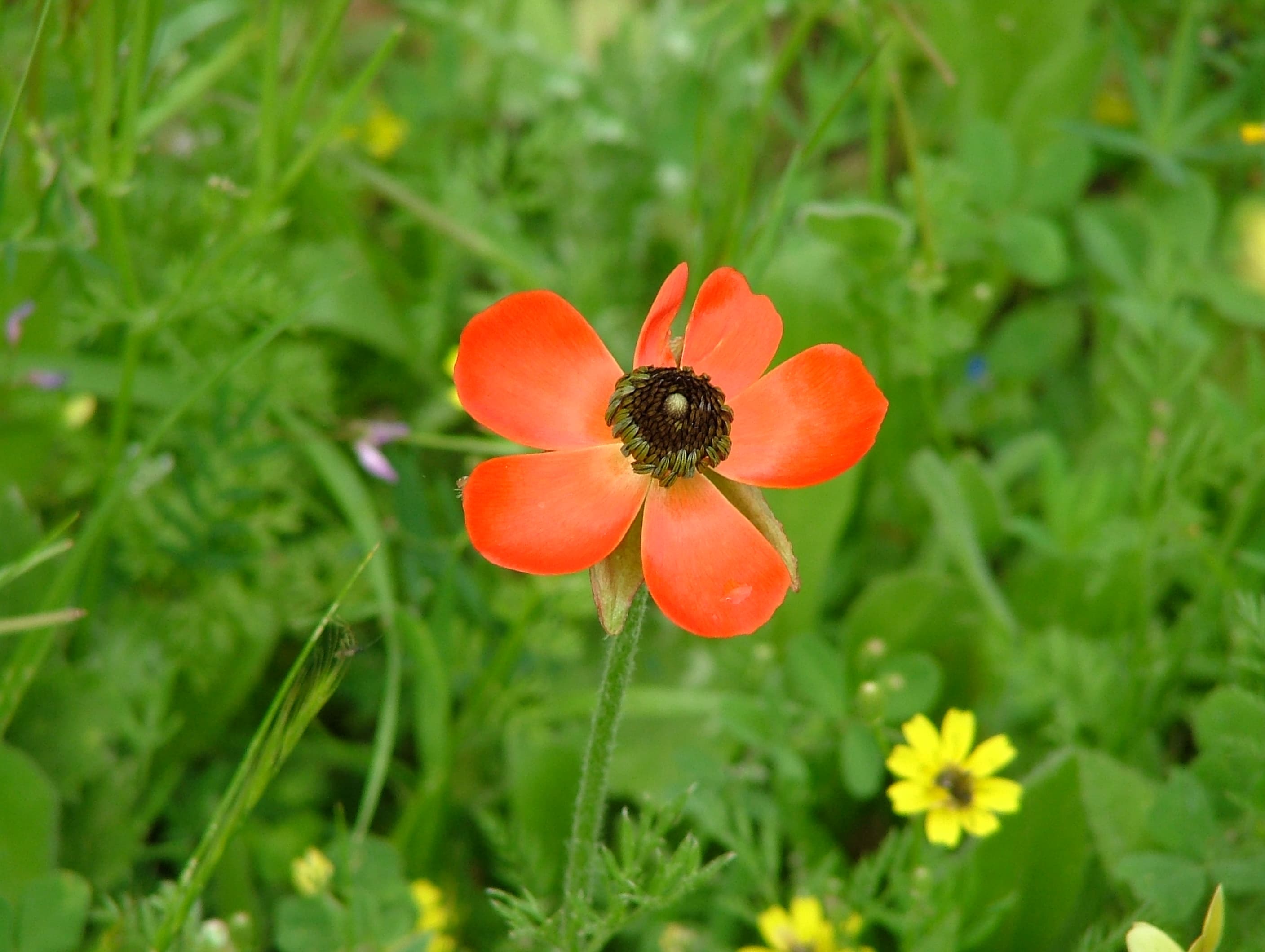
Ranunculus
Ranunculus asiaticus
flowerPersian buttercup (Ranunculus asiaticus) grows from a clawed tuber into 1 to 2 ft plants bearing densely petaled, rose-like flowers in a brilliant range of colors on long, strong stems. It is one of the most coveted cut flowers for its layered blooms and long vase life. Semi-hardy in zones 8 to 10 and injured below about 28 F, it is planted in fall in mild climates or early spring elsewhere, blooms in late spring, and goes dormant in summer heat.
☀️
Sun
full sun
💧
Water
Every 5 days
🌸
Bloom
~120 days
📊
Difficulty
medium
🌱
Lifecycle
tender perennial
Perennial in warm zones; grown as an annual where winters freeze
↔️
Spacing
6-8 in apart
⬇️
Planting Depth
Plant tubers 2 in deep, claws pointing down
🧪
Soil pH
6.0-7.0
Growing Details
Soil Type
Loamy or sandy, sharply drained
Hardiness Zones
Zones 8 – 10
When to Fertilize
Light feeding during active growth
Fertilizer
Balanced; avoid heavy nitrogen
🌱 Growing Guide
Plant ranunculus in full sun in loamy or sandy, sharply drained soil; it will not tolerate heavy clay or wet feet. Soak the claw-shaped tubers for a few hours and plant them 2 in deep with the claws pointing down, several weeks before the last frost, or pre-sprout them indoors for an earlier, stronger start. Keep evenly moist during growth and deadhead to keep blooms coming. As summer heat arrives the plant yellows and goes dormant; in cold zones dig the tubers, cut off the tops, and store them dry and cool, or grow it as an annual.
🌼 Have a different variety?Cultivars of the same species usually share the same basic care, and they differ mainly in flower color, height, and bloom form, not in how you grow them. So this guide still applies even if your exact variety isn't the one shown.
Planting Calendar
Sign in to personalize →🌿
Direct sow
Nov 12
🌸
Projected first bloom
Mar 12
JJan
FFeb
MMar
AApr
MMay
JJun
JJul
AAug
SSep
OOct
NNov
DDec
✅ Plant alongside
Good neighbors that attract beneficial insects or deter pests
- Anemone: Shares identical cool-season corm and tuber culture and bloom season
- Tulip: A spring bulb that flowers alongside ranunculus in cut-flower beds
- Larkspur: A cool-season annual that pairs for spring bouquets
🛡️ Pest & disease prevention
Proactive ways to stop trouble before it starts. Tap a name with an arrow for its full guide
The main risk, from wet or heavy soil; plant in sharp drainage and avoid overwatering
A soil fungus in cold, wet ground; plant in well-drained soil and warm conditions
Cluster on buds and new growth; rinse off and conserve natural enemies
🌸 Blooms & cutting
Ranunculus is a premier cut flower. Harvest when the buds are colored and soft like a marshmallow but not yet fully open, in the cool morning, for the longest vase life. Cut often and deadhead spent blooms to extend the flowering season before summer dormancy.
🥗 Nutrition & benefits
Ranunculus is an ornamental, not edible, and is poisonous if eaten. Its value is some of the most prized, long-lasting cut flowers of spring in a brilliant color range. Have a different variety? Cultivars of the same species share the same basic care, so this guide still applies even if your exact color is not shown.
⚠️ Toxicity & safety
Ranunculus contains protoanemonin and is poisonous if eaten, causing burning of the mouth, abdominal pain, and vomiting, while contact with the sap can cause redness, burning, and blisters on the skin. It is also toxic to cats, dogs, and horses. Grow it as an ornamental and wash hands after handling cut stems.
For educational and informational purposes only. HomeSown is not medical, health, or other professional advice. Always positively identify any plant before handling or eating it; some plants, and some parts of otherwise-edible plants, are toxic. Consult a qualified professional before consuming or otherwise using any plant, especially if you are pregnant, nursing, taking medication, or have a health condition.