
Root Rot
Phytophthora and Pythium species
A group of soilborne water-mold diseases that rot the roots and crown of a plant, usually because the soil stays too wet. Unlike damping-off, which kills seedlings, root and crown rot strikes plants of any age, causing them to wilt, yellow, and decline as their root system dies underground. Poor drainage and overwatering are almost always behind it.
🔎 How to spot it
Above ground, look for plants that wilt, yellow or redden, grow slowly, stay stunted, and may drop leaves, often looking drought-stressed even in moist soil because the roots can no longer take up water. Below ground the roots and crown are soft, brown to black, and water-soaked instead of firm and white. Plants may collapse suddenly in warm weather after the roots fail.
🥀 Damage it causes
The water molds rot the fine roots and the crown, cutting off water and nutrient uptake, so the plant declines and often dies. It strikes vegetables, berries, and trees alike, and on woody plants a crown rot can girdle and kill an established plant over a season or two. Wet, heavy, poorly drained soil makes it far worse.
🔬 What causes it
Root and crown rot is caused mainly by the water molds Phytophthora and Pythium, which thrive in waterlogged soil. A full day or more of saturated soil lets them produce swimming spores that seek out and infect roots, so the disease follows overwatering, poor drainage, heavy clay, planting too deep, and low spots that stay wet. The pathogens persist in soil and infested plants.
🛡️ Prevent it
Good water management is the key: plant in well-drained soil or raised beds, do not overwater, and let the soil drain between waterings. Improve heavy soil with organic matter, set plants so the crown sits at or just above the soil line, and avoid low, soggy spots. Use clean, certified plants and reject any with dark, decayed roots.
🧯 If it is already here
There is no cure for badly rotted roots, so remove and destroy severely affected plants and correct the drainage before replanting. For a plant caught early, let the soil dry out and stop overwatering, which sometimes lets it recover. Replant in raised, well-drained beds or containers with fresh mix, since the pathogens linger in wet, infested ground.
💡 Good to know
Root and crown rot is usually a drainage problem wearing a disease costume, so the lasting fix is in the soil and the watering can rather than in a spray. It is easy to mistake for drought because both wilt the plant, but here the soil is wet and the roots are brown and mushy. Raised beds and restrained watering prevent most cases.
🌱 Plants it affects
714 plants in the library can be affected by this problem
 Acorn Squash
 Adirondack Blue Potato
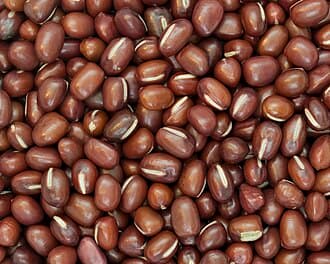 Adzuki Bean
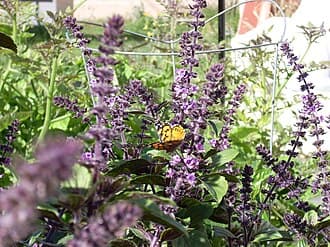 African Blue Basil
 African Marigold
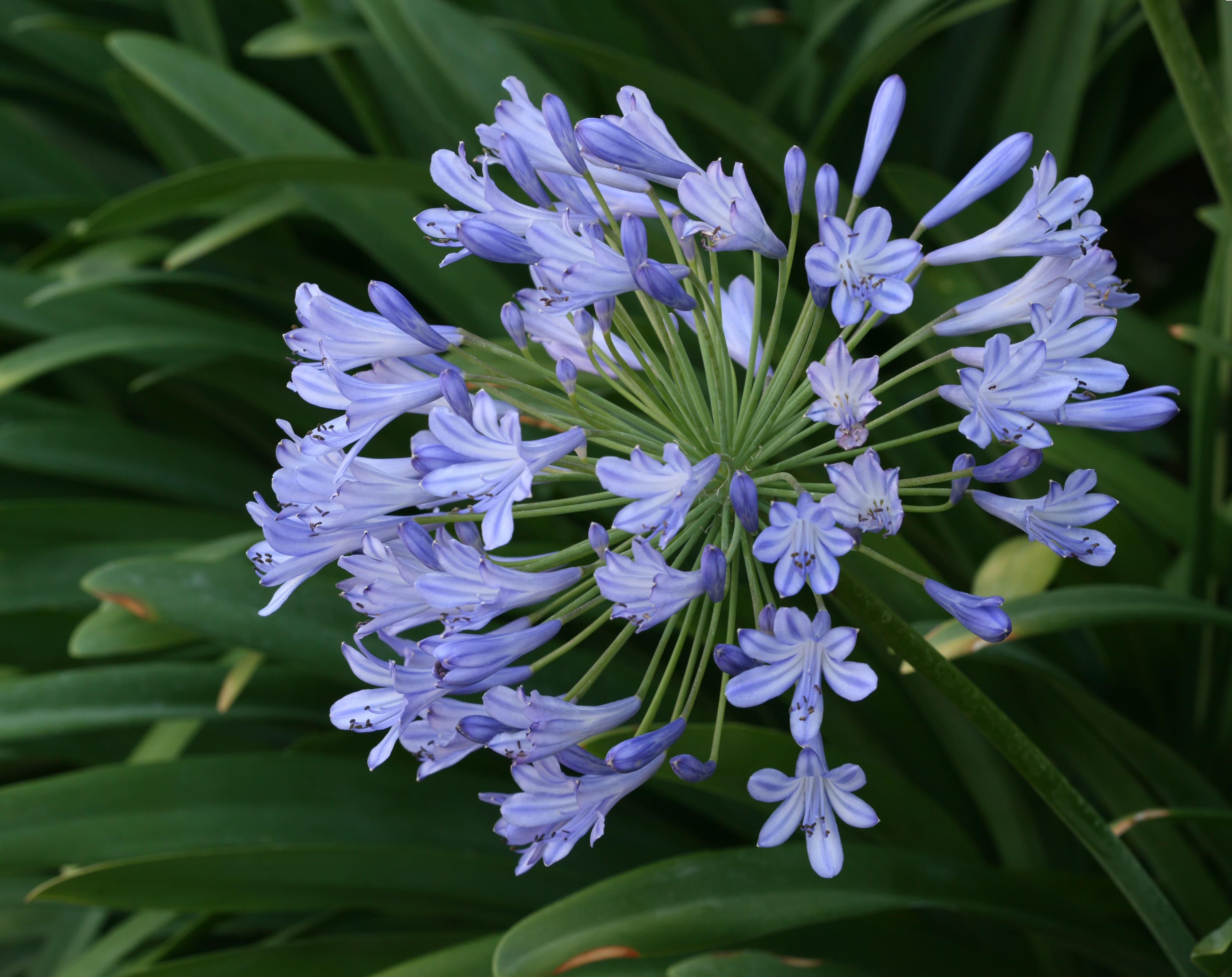 Agapanthus
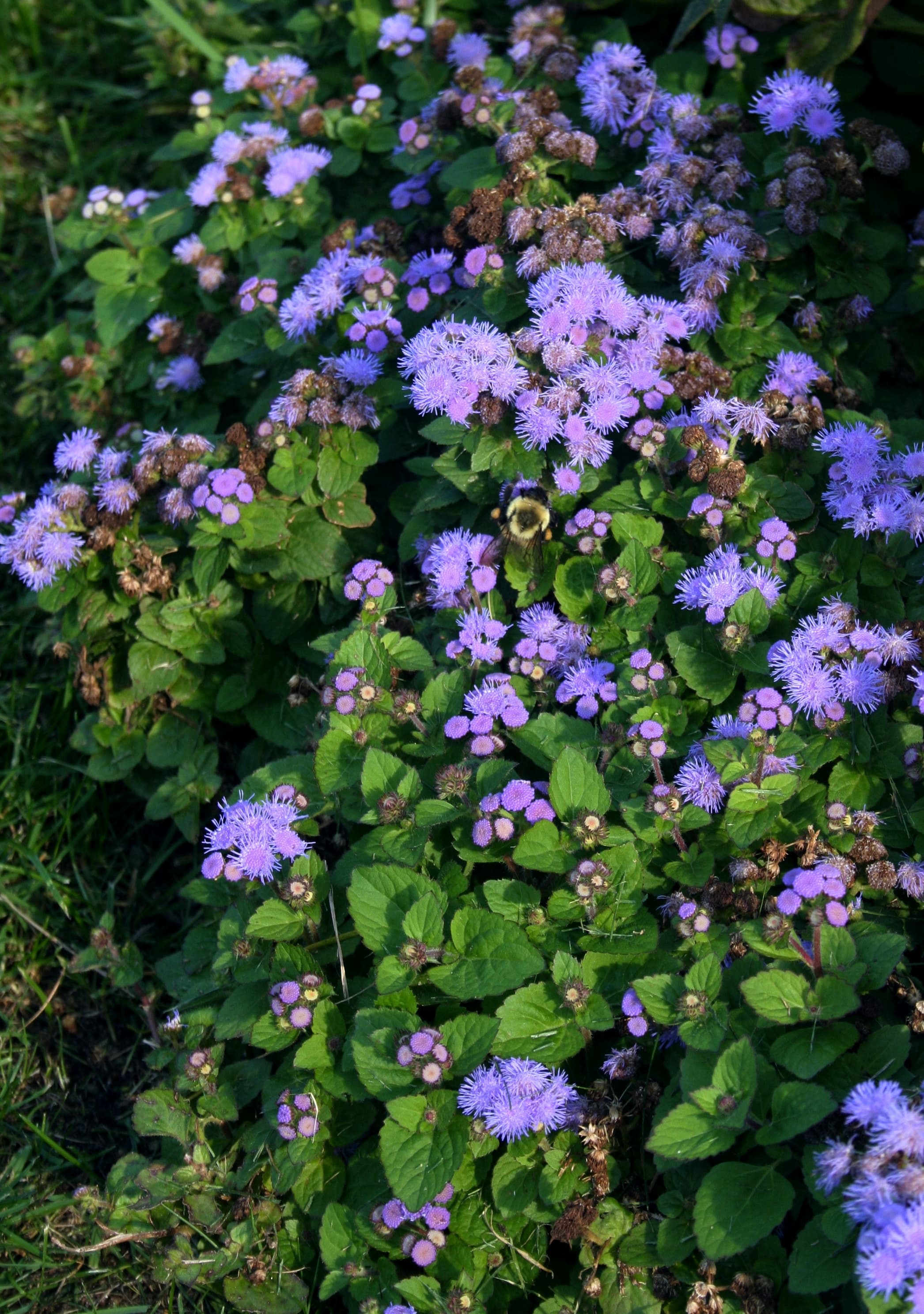 Ageratum
 Agrimony
 Aji Amarillo Pepper🍓Albion Strawberry
 Alice du Pont Mandevilla🥔All Blue Potato
 Almond
 Aloe Vera
 Ambrosia Corn
 American Basswood
 American Beauty Dragon Fruit
 American Beech
 American Persimmon
 Amethyst Falls Wisteria
 Amish Paste Tomato
 Anaheim Pepper
 Anemone
 Angelique Tulip
 Angelonia
 Anise
Anise Anise Hyssop
 Anjou Pear
 Annabelle Smooth Hydrangea
 Annual Vinca
 Apeldoorn Tulip
 Apple Mint
 April Tryst Camellia
 Arbequina Olive
 Arizona Sun Blanket Flower
 Arkin Carambola
 Armenian Cucumber
 Aronia
 Arp Rosemary
 Arugula
 Ashwagandha
 Asian Pear
 Asian Persimmon
 Atemoya
 Atlantic Giant Pumpkin🥕Atomic Red Carrot
 Aucuba
 August Beauty Gardenia
 Aunt Molly's Ground Cherry
 Autumn Joy Sedum
 Avocado
 Bachelor's Button
 Balsam Fir
 Balsam Poplar
 Banana Pepper
 Barbara Karst Bougainvillea
 Bartlett Pear
 Bay Laurel
 Bayberry
 Beach Plum
 Beauregard Sweet Potato
 Becky Shasta Daisy
 Bee Balm🍅Beefmaster Tomato
 Benarys Giant Zinnia
 Bengal Tiger Canna
 Better Boy Tomato🥬Bibb Lettuce🍅Big Beef Tomato
 Big Boy Tomato
 Bilberry
 Bing Cherry
 Bitter Melon
 Black Bean
 Black Beauty Eggplant
 Black Beauty Zucchini
 Black Beluga Lentil
 Black Cherry Tomato
 Black Crowberry
 Black Currant🍉Black Diamond Watermelon
 Black Kabouli Chickpea
 Black Krim Tomato
 Black Raspberry
 Black Sapote🥬Black Seeded Simpson Lettuce🥕Black Spanish Radish
 Black Tartarian Cherry
 Black Walnut
 Black-Eyed Pea
 Black-eyed Susan Vine
 Blood Orange
 Bloomsdale Spinach
 Blue Bird Delphinium
 Blue Bird Rose of Sharon
 Blue Fescue
 Blue Lake Green Bean
 Bluecrop Blueberry
 Bocking 14 Comfrey
 Bok Choy
For educational and informational purposes only. Disease management advice is general guidance drawn from university cooperative extension sources; always identify a problem positively and read and follow the label on any product before use, especially around food crops, children, and pets.