Slippery Elm
Ulmus rubra
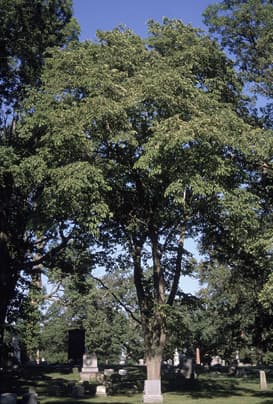
treeSlippery elm (Ulmus rubra) is a medium native elm, 40 to 70 ft tall, with a spreading, vase-shaped crown, rough dark leaves, and a reddish, mucilaginous inner bark that gives it its name. That soft, slippery inner bark has long been harvested and dried to a powder. Because demand has pressured wild trees - and because Dutch elm disease kills many - it is best grown deliberately and harvested ethically, taking bark from prunings and thinnings rather than felling wild trees. It is a tough, fast tree of moist woods and bottomlands, long-lived where disease spares it.
☀️
Sun
full sun
💧
Water
Every 10 days
🌾
Harvest
~30 days
📊
Difficulty
medium
🌱
Lifecycle
perennial
Comes back every year
↔️
Spacing
30-50 ft apart
⬇️
Planting Depth
Set root flare at soil line
🧪
Soil pH
5.5-8.0
Growing Details
Soil Type
Moist loam; tolerates a range
Hardiness Zones
Zones 3 – 9
When to Fertilize
Light feed in spring while young
Fertilizer
Compost or balanced; low needs
🌱 Growing Guide
Slippery elm grows in full sun to part shade in moist, fertile loam, though it tolerates drier and poorer ground and a wide pH range once established. Plant a young tree in spring or fall and water it through its first couple of summers; after that it is fast and self-reliant. It is not commonly sold, so it is often started from seed or sourced from native-plant nurseries. Like all elms it can fall to Dutch elm disease, so keep trees vigorous and remove dead wood promptly. Grow it as a shade tree and harvest bark sustainably from branches you prune.
Planting Calendar
Sign in to personalize →🌿
Direct sow
Apr 29
🌾
Projected first harvest
May 29
JJan
FFeb
MMar
AApr
MMay
JJun
JJul
AAug
SSep
OOct
NNov
DDec
✅ Plant alongside
Good neighbors that attract beneficial insects or deter pests
- Comfrey: A deep-rooted herb for the moist ground beneath, good for mulch and feeding the soil
- Bee Balm: A pollinator plant that fills the partly shaded edge of the tree well
- Elderberry: A moisture-loving shrub that shares the rich, damp bottomland conditions
🛡️ Pest & disease prevention
Proactive ways to stop trouble before it starts. Tap a name with an arrow for its full guide
Keep trees vigorous, prune only in the dormant season, and remove and destroy any wilting, dying branches at once
Pick and destroy mined leaves; established trees tolerate light damage
These spread elm disease - remove dead wood and stressed limbs that attract them
🌾 Harvest & storage
Harvest the inner bark in spring when the sap is running and the bark separates easily. The ethical way is to take it from branches removed during pruning or from thinned trees, never by ringing the trunk of a standing tree, which kills it. Peel the outer bark away, then strip the soft, fibrous, mucilaginous inner bark and dry it completely; it is then ground to powder. A little goes a long way, so a few pruned limbs supply plenty.
🥗 Nutrition & benefits
Slippery elm is grown for its inner bark, traditionally dried and powdered into a bland, mucilaginous gruel or stirred into water - historically also a survival food for its starch and slip. It is not eaten as a vegetable. Growing your own and harvesting only from prunings takes pressure off wild stands, which are squeezed by both overharvest and disease.
For educational and informational purposes only. HomeSown is not medical, health, or other professional advice. Always positively identify any plant before handling or eating it; some plants, and some parts of otherwise-edible plants, are toxic. Consult a qualified professional before consuming or otherwise using any plant, especially if you are pregnant, nursing, taking medication, or have a health condition.