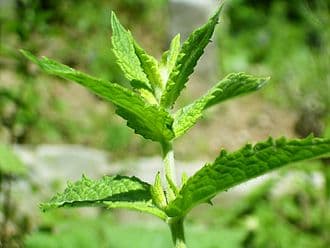
Spearmint
Mentha spicata
herbSpearmint is the common sweet mint, milder and less sharply cool than peppermint, with a clean, sweet flavor used in teas, sauces, salads, and drinks like mojitos and mint juleps. Like all mints it is a hardy perennial that spreads enthusiastically by runners and returns each spring, supplying fragrant leaves throughout the season.
☀️
Sun
partial shade
💧
Water
Every 2 days
🌾
Harvest
~60 days
📊
Difficulty
easy
🌱
Lifecycle
perennial
Comes back every year
↔️
Spacing
18-24 in. apart (contain it)
⬇️
Planting Depth
1/4 in.
🧪
Soil pH
6.0-7.5
Growing Details
Soil Type
Moist, rich
Hardiness Zones
Zones 3 – 11
When to Fertilize
Once in spring
Fertilizer
Balanced 10-10-10, light
🌱 Growing Guide
Plant in full sun to part shade in moist, fertile soil, and contain spearmint in a buried pot or barriered bed, since its runners spread as aggressively as any mint and will take over a garden. Water for lush growth, shear the plants back a couple of times a season to keep them leafy and prevent flowering, and divide crowded clumps to keep the patch productive.
Planting Calendar
Sign in to personalize →🌿
Direct sow
Apr 29
🌾
Projected first harvest
Jun 28
JJan
FFeb
MMar
AApr
MMay
JJun
JJul
AAug
SSep
OOct
NNov
DDec
✅ Plant alongside
Good neighbors that attract beneficial insects or deter pests
- Cabbage family: Strong scent helps repel cabbage moths, if kept contained
- Tomatoes: Aroma may deter aphids and ants nearby
- Peas: Scent can mask the crop from some pests
- Brassica seedlings: May help deter flea beetles
❌ Keep away from
Chamomile
🛡️ Pest & disease prevention
Proactive ways to stop trouble before it starts. Tap a name with an arrow for its full guide
Space for airflow, avoid wetting the foliage, and remove infected stems
Keep soil moist and rinse foliage in hot, dry spells
Hose off colonies and encourage ladybugs and lacewings
🌾 Harvest & storage
Snip sprigs as needed all season, with the flavor strongest just before flowering, and frequent cutting keeps fresh leaves coming. Pick in the cool morning for the best aroma, and dry or freeze the leaves to preserve them, though spearmint is at its best used fresh.
🥗 Nutrition & benefits
Spearmint is eaten in small amounts but contributes vitamin A, antioxidants, and aromatic oils, and like other mints it has a traditional use for soothing digestion, with a gentler, sweeter flavor than peppermint.
For educational and informational purposes only. HomeSown is not medical, health, or other professional advice. Always positively identify any plant before handling or eating it; some plants, and some parts of otherwise-edible plants, are toxic. Consult a qualified professional before consuming or otherwise using any plant, especially if you are pregnant, nursing, taking medication, or have a health condition.