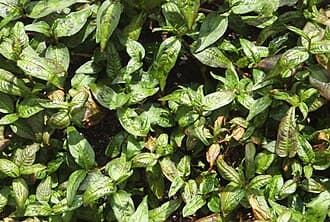
Vietnamese Coriander
Persicaria odorata
herbVietnamese Coriander (Persicaria odorata), called rau ram, is a sprawling tender perennial in the knotweed family whose narrow, pointed leaves - often marked with a dark chevron - taste like a hot, peppery, lemony cilantro. It is a workhorse herb of Vietnamese and wider Southeast Asian cooking, eaten raw in salads, spring rolls, and noodle bowls and added at the end of cooking. Crucially for hot-climate gardeners it never bolts the way cilantro does, staying productive all summer. It loves warmth and constant moisture, even shallow water, and roots so easily from cuttings that one plant quickly becomes many; north of zone 9 it is grown as an annual or overwintered indoors.
☀️
Sun
partial shade
💧
Water
Every 3 days
🌾
Harvest
~60 days
📊
Difficulty
easy
🌱
Lifecycle
tender perennial
Perennial in warm zones; grown as an annual where winters freeze
↔️
Spacing
12-18 in. apart
⬇️
Planting Depth
Crown at soil line; roots along stems
🧪
Soil pH
5.5-7.0
Growing Details
Soil Type
Rich, constantly moist
Hardiness Zones
Zones 9 – 13
When to Fertilize
Light feed every few weeks in summer
Fertilizer
Balanced or fish emulsion; moderate needs
🌱 Growing Guide
Grow Vietnamese Coriander in rich, constantly moist soil in partial shade to full sun, ideally with afternoon shade in hot regions; it thrives at the edge of a pond or in a self-watering pot and will even grow in a few inches of water. Plant out after frost once soil is warm, spacing 12 to 18 in. apart, knowing it sprawls and roots along the stems to form a dense mat. Keep it consistently wet - it wilts fast if it dries - and pinch regularly to keep it bushy. It almost never flowers or sets seed in temperate climates, so propagate it from cuttings, which root in days in water, and overwinter a pot indoors in a bright warm spot.
Planting Calendar
Sign in to personalize →🌱
Start seeds indoors
Mar 4
🌿
Transplant outdoors
Apr 29
🌾
Projected first harvest
Jun 28
JJan
FFeb
MMar
AApr
MMay
JJun
JJul
AAug
SSep
OOct
NNov
DDec
✅ Plant alongside
Good neighbors that attract beneficial insects or deter pests
- Lemongrass: A fellow Southeast Asian herb that enjoys the same heat and ample moisture
- Thai Basil: Pairs in the kitchen and the garden, sharing warm, moist, sunny conditions
- Mint: Another vigorous moisture-loving spreader that thrives in the same damp bed or pot
🛡️ Pest & disease prevention
Proactive ways to stop trouble before it starts. Tap a name with an arrow for its full guide
Rinse colonies from the tender shoots; they are most common on stressed or indoor-overwintered plants
A risk on dry indoor plants in winter - raise humidity, keep the soil moist, and rinse leaf undersides
Pick off and destroy mined leaves and keep plants vigorous so they outgrow light damage
🌾 Harvest & storage
Harvest Vietnamese Coriander by snipping the top few inches of the sprawling stems as needed; frequent cutting keeps it bushy and tender, and the trimmings root readily to make new plants. Always use the leaves fresh - the flavor is lost when dried or cooked long - adding them raw to salads, noodle soups, spring rolls, and as a garnish, or stirring in at the very end of cooking. Strip the leaves from any tough lower stems before use.
🥗 Nutrition & benefits
Vietnamese Coriander supplies the hot, peppery, citrus-cilantro flavor essential to rau ram and many Vietnamese and Southeast Asian dishes - eaten fresh in herb salads, summer rolls, noodle soups such as pho, and egg dishes. It is always used raw or added at the last moment, since heat and drying destroy its flavor, making it a fresh-only seasoning herb that conveniently replaces cilantro in hot climates where cilantro bolts.
For educational and informational purposes only. HomeSown is not medical, health, or other professional advice. Always positively identify any plant before handling or eating it; some plants, and some parts of otherwise-edible plants, are toxic. Consult a qualified professional before consuming or otherwise using any plant, especially if you are pregnant, nursing, taking medication, or have a health condition.