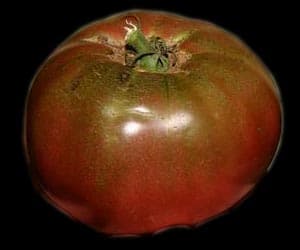
Cherokee Purple Tomato
Solanum lycopersicum 'Cherokee Purple'
vegetableCherokee Purple is a smoky, sweet pre-1890 Tennessee heirloom, said to trace to the Cherokee people, with dusky rose-purple shoulders over brick-red flesh that many rank among the best-tasting slicers ever grown. The 10 to 12 ounce beefsteak fruit carry a deep, almost wine-like flavor that intensifies in heat. Indeterminate vines produce all season and need sturdy staking or caging. As a classic heirloom it lacks modern disease resistance and the soft fruit does not keep long, so it is grown for flavor and fresh eating rather than shipping or storage.
☀️
Sun
full sun
💧
Water
Every 3 days
🌾
Harvest
~80 days
📊
Difficulty
medium
🌱
Lifecycle
annual
One season, then done
↔️
Spacing
24-36 in. apart
⬇️
Planting Depth
1/4 in.
🧪
Soil pH
6.0-6.8
Growing Details
Soil Type
Rich, well-draining
Hardiness Zones
Zones 3 – 10
Grown as an annual. This range is its winter hardiness, but you can grow it for a single season in any zone.
When to Fertilize
At transplant, then every 3-4 weeks once fruit sets
Fertilizer
Balanced 5-10-10, low nitrogen
🌱 Growing Guide
Start seed indoors about 5 to 6 weeks before the last frost, a quarter inch deep at 75 to 85F, and harden off before transplanting once nights stay above 50F. Plant deeply, burying two-thirds of the stem, give full sun, and space 2 to 3 feet apart. Provide a tall cage or stake since vines exceed 5 feet, and pinch the lowest suckers to open the canopy, which matters on a heirloom with little disease resistance. Water deeply to about an inch per week rather than with light sprinkles, and mulch 3 to 4 inches; even moisture is the key to avoiding blossom-end rot and the cracking heirlooms show after rain. Keep nitrogen modest.
Planting Calendar
Sign in to personalize →🌱
Start seeds indoors
Mar 4
🌿
Transplant outdoors
Apr 29
🌾
Projected first harvest
Jul 18
JJan
FFeb
MMar
AApr
MMay
JJun
JJul
AAug
SSep
OOct
NNov
DDec
✅ Plant alongside
Good neighbors that attract beneficial insects or deter pests
- Basil: Repels thrips and whiteflies and may improve flavor
- Borage: Attracts pollinators and parasitic wasps that prey on hornworms
- French Marigold: Suppresses root-knot nematodes in the soil
- Calendula: Acts as an aphid trap crop and draws in hoverflies
❌ Keep away from
BrassicasFennel
🛡️ Pest & disease prevention
Proactive ways to stop trouble before it starts. Tap a name with an arrow for its full guide
Interplant dill, borage, or basil to attract parasitic wasps; handpick at dusk; rotate nightshades each year
Mulch to stop soil splash, prune lower leaves for airflow, and avoid overhead watering
Draw in ladybugs and lacewings with nearby flowering herbs; blast colonies off with water
🌾 Harvest & storage
Look for ripe fruit around 80 days from transplant. Pick when the tomato is fully colored but still firm with a slight give; the shoulders stay greenish even when the fruit is ripe, so do not wait for them to redden. Harvest in the morning when fruit is coolest, handle the soft skin gently, and store at room temperature, never refrigerated, to protect the rich flavor. Use within a few days. Because the fruit cracks if it sits through rain, check the vines daily in late summer and pick promptly.
🥗 Nutrition & benefits
Cherokee Purple is rich in vitamins C and K, potassium, and the antioxidant lycopene linked to heart and skin health, while staying low in calories. Its dusky color comes from extra pigments layered over the usual red, and the deep, low-acid flavor makes it shine sliced raw with a sprinkle of salt that draws out its smoky sweetness.
⚠️ Toxicity & safety
Eat the ripe fruit only. Tomato leaves and stems (and large amounts of very unripe green fruit) contain solanine-type compounds and are not for eating.
For educational and informational purposes only. HomeSown is not medical, health, or other professional advice. Always positively identify any plant before handling or eating it; some plants, and some parts of otherwise-edible plants, are toxic. Consult a qualified professional before consuming or otherwise using any plant, especially if you are pregnant, nursing, taking medication, or have a health condition.