
Early Blight
Alternaria solani, Alternaria tomatophila
A very common fungal disease of tomato and potato that shows up nearly every season. It starts on the oldest, lowest leaves as brown spots with target-like rings and works its way up the plant, stripping foliage and exposing fruit. A small amount is normal late in the season, but an early, heavy case can sharply reduce yield.
🔎 How to spot it
Look for round brown to black leaf spots up to half an inch across with dark concentric rings that look like a target or bullseye, usually ringed by a yellow halo. Spots appear first on the oldest leaves near the ground. On stems they form oval dark sunken lesions, and on fruit they appear as leathery black sunken patches with concentric ridges near the stem end. Affected leaves yellow, brown, and drop.
🥀 Damage it causes
Infected leaves yellow and fall, working upward until the plant is badly defoliated. Loss of leaf cover stresses the plant, lowers yield, and exposes fruit to sunscald. Seedlings can be girdled at the soil line by collar rot and die. Fruit lesions make the fruit unusable.
🔬 What causes it
Early blight is caused by the fungi Alternaria solani and Alternaria tomatophila, which overwinter in infected plant debris and soil and can ride in on seed or transplants. The fungus is splashed onto the lowest leaves by rain and irrigation. Disease develops in moderate to warm weather, from about 59 to 80 F, and is worst with wet weather, heavy dew, or humidity above 90 percent.
🛡️ Prevent it
Rotate tomatoes and potatoes to a new spot on a two to three year cycle. Mulch under plants to block soil splash, water at the base with drip or a soaker hose rather than overhead, and space, stake, or cage plants for airflow. Prune off the lowest leaves so they do not touch the soil. Choose resistant or tolerant varieties and remove crop debris at season end.
🧯 If it is already here
Remove and destroy infected leaves as soon as they appear and sanitize your tools. Keep the foliage dry and the lower leaves pruned. Home gardeners rarely need to spray, but protective organic fungicides such as copper or a Bacillus subtilis biofungicide, applied early and repeated, can slow spread. Resistant varieties reduce severity but do not give complete control.
💡 Good to know
Early blight occurs nearly every season wherever tomatoes and potatoes are grown, so the goal is to slow it, not eliminate it. It is easy to confuse with Septoria leaf spot, but early blight spots are larger with target rings, while Septoria spots are smaller with tan centers and tiny black dots. Both start on the lowest leaves after fruit set.
🌱 Plants it affects
72 plants in the library can be affected by this problem
 Adirondack Blue Potato
 Aji Amarillo Pepper🥔All Blue Potato
 Amish Paste Tomato
 Anaheim Pepper
 Banana Pepper
 Beauregard Sweet Potato🍅Beefmaster Tomato
 Better Boy Tomato🍅Big Beef Tomato
 Big Boy Tomato
 Black Beauty Eggplant
 Black Cherry Tomato
 Black Krim Tomato🍅Box Car Willie Tomato
 Brandywine Tomato
 Carolina Reaper Pepper
 Cayenne Pepper
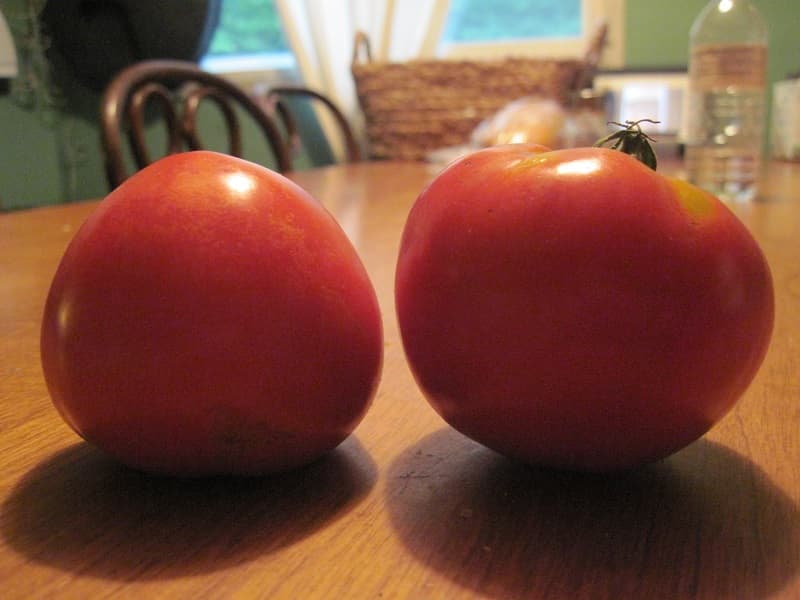 Celebrity Tomato
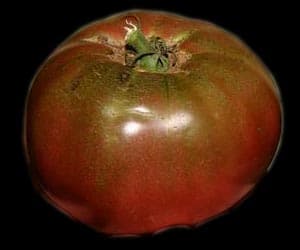 Cherokee Purple Tomato
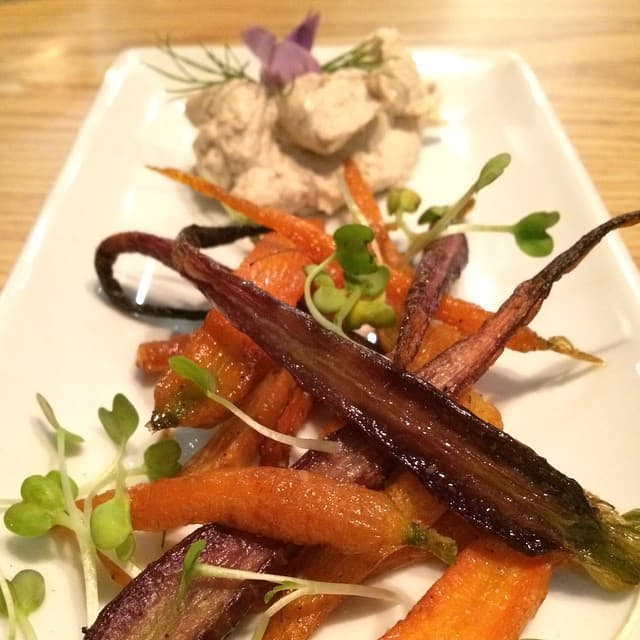 Cosmic Purple Carrot
 Cubanelle Pepper
 Early Girl Tomato
 Fairy Tale Eggplant
 Fingerling Potato
 Fresno Pepper
 German Butterball Potato🍅German Queen Tomato
 Ghost Pepper
 Green Bell Pepper
 Green Zebra Tomato
 Habanero Pepper
 Hungarian Wax Pepper
 Indigo Rose Tomato
 Italian Eggplant
 Jalapeño Pepper
 Japanese Eggplant
 Juliet Grape Tomato
 Kellogg's Breakfast Tomato
 Kennebec Potato🍅La Roma IV Tomato
 Lemon Boy Tomato🍅Mortgage Lifter Tomato
 Mr. Stripey Tomato
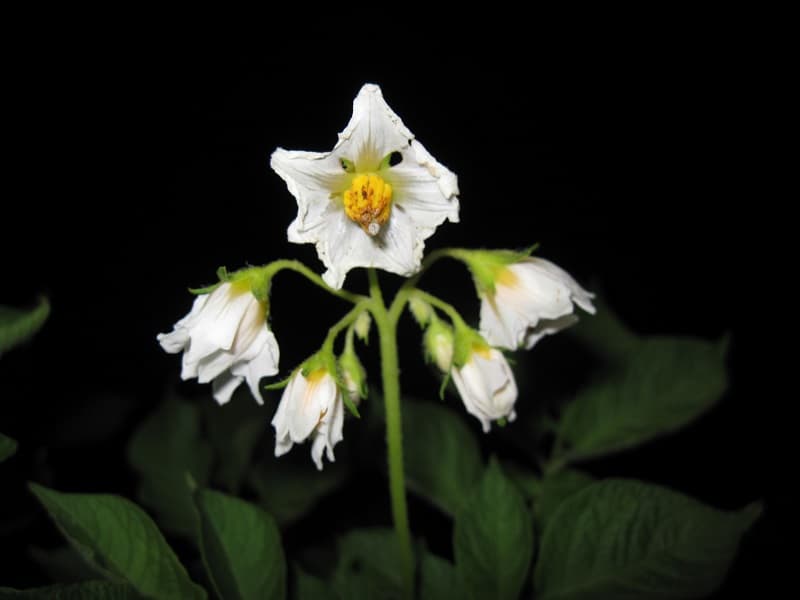 Norland Potato
 Orange Bell Pepper
 Padrón Pepper
 Pimento Pepper
 Pineapple Tomato
 Poblano Pepper
 Purple Bell Pepper🥔Purple Majesty Potato
 Red Bell Pepper
 Red Pontiac Potato
 Roma Tomato🍆Rosa Bianca Eggplant
 Russet Potato🍅Rutgers Tomato
 San Marzano Tomato
 Scotch Bonnet Pepper
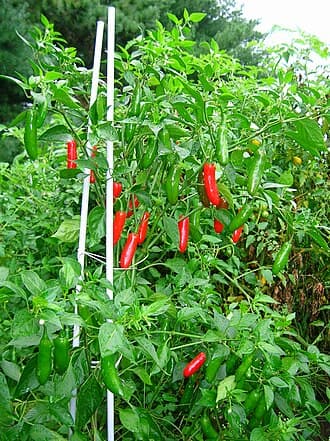 Serrano Pepper
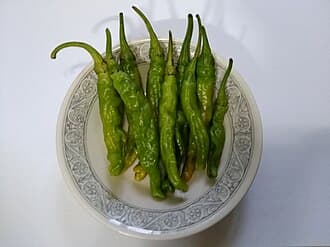 Shishito Pepper🍅Striped German Tomato🍅Sungold Cherry Tomato
 Sweet 100 Cherry Tomato
 Sweet Banana Pepper
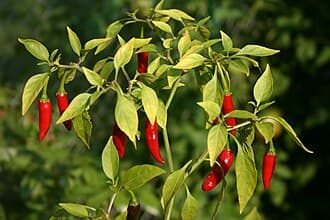 Thai Chili Pepper🍅Tiny Tim Cherry Tomato
 Trinidad Scorpion Pepper
 Yellow Bell Pepper
 Yellow Pear Tomato
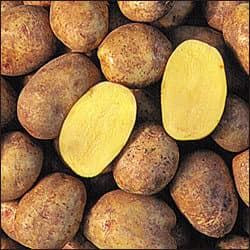 Yukon Gold Potato
For educational and informational purposes only. Disease management advice is general guidance drawn from university cooperative extension sources; always identify a problem positively and read and follow the label on any product before use, especially around food crops, children, and pets.