
Tomato Hornworm
Manduca quinquemaculata
A huge green caterpillar, up to four inches long, that can strip a tomato plant of its leaves seemingly overnight. Despite its size it is a master of camouflage, so the chewed, bare stems and dark droppings usually give it away before you ever spot the caterpillar.
🔎 How to spot it
A plump, soft green caterpillar reaching about four inches, marked with a row of white V-shaped stripes along each side and a single curved horn at the tail end. The tomato hornworm has a dark horn and V-marks; the near-identical tobacco hornworm has a red horn and straight white stripes. Look for whole leaves and stems eaten down to bare stalks near the top of the plant, scattered dark green-black droppings (frass) on lower leaves, and chew marks on green fruit. The adult is a large, fast-flying gray-brown sphinx or hawk moth.
🥀 Damage it causes
The caterpillars chew leaves and can completely defoliate a plant, and they also gouge holes in green fruit. The largest caterpillar stage eats nearly as much as all the earlier stages combined, so a few big hornworms do most of the damage. Hosts are tomato plus other nightshades: pepper, eggplant, and potato.
🛡️ Prevent it
Till the soil after harvest to destroy the pupae that overwinter a few inches down, and rotate nightshade crops to a new spot each year. Plant flowers and herbs that draw in parasitic wasps, the hornworm main natural enemy. Scout plants every few days through summer so you catch larvae while they are still small.
🧯 If it is already here
Handpick the caterpillars and drop them in soapy water; on a small planting this alone is very effective. Hunt at dusk or with a blacklight, when they are easier to spot. For young larvae, the organic sprays Bacillus thuringiensis (Bt) or spinosad work well. If you find a hornworm studded with rows of white rice-like cocoons, leave it in place: it has been parasitized by braconid wasps that will hatch out and attack the next generation.
💡 Good to know
Hornworms blend in so well that the droppings and stripped stems are usually easier to find than the caterpillar itself. They overwinter as dark, spindle-shaped pupae in the soil and emerge as moths in spring, often producing two generations a season. The braconid wasp Cotesia congregata is a key ally, with a single hornworm sometimes hosting dozens of wasp larvae.
🌱 Plants it attacks
74 plants in the library can be attacked by this pest
 Adirondack Blue Potato
 Aji Amarillo Pepper🥔All Blue Potato
 Amish Paste Tomato
 Anaheim Pepper
 Banana Pepper
 Beauregard Sweet Potato🍅Beefmaster Tomato
 Better Boy Tomato🍅Big Beef Tomato
 Big Boy Tomato
 Black Beauty Eggplant
 Black Cherry Tomato
 Black Krim Tomato
 Borage🍅Box Car Willie Tomato
 Brandywine Tomato
 Carolina Reaper Pepper
 Cayenne Pepper
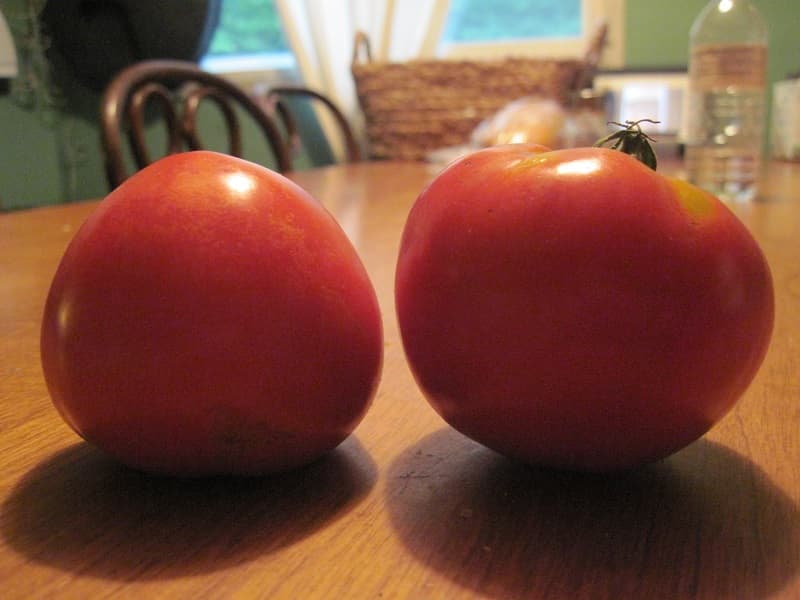 Celebrity Tomato
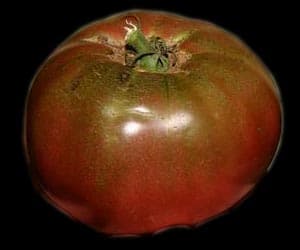 Cherokee Purple Tomato
 Cubanelle Pepper
 Early Girl Tomato
 Fairy Tale Eggplant
 Fingerling Potato
 Fresno Pepper
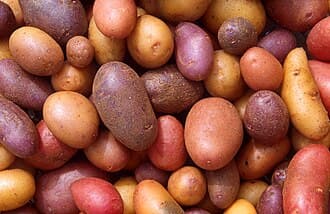 German Butterball Potato🍅German Queen Tomato
 Ghost Pepper
 Green Bell Pepper
 Green Zebra Tomato
 Habanero Pepper
 Hungarian Wax Pepper
 Indigo Rose Tomato
 Italian Eggplant
 Jalapeño Pepper
 Japanese Eggplant
 Juliet Grape Tomato
 Kellogg's Breakfast Tomato
 Kennebec Potato🍅La Roma IV Tomato
 Lemon Boy Tomato🍅Mortgage Lifter Tomato
 Mr. Stripey Tomato
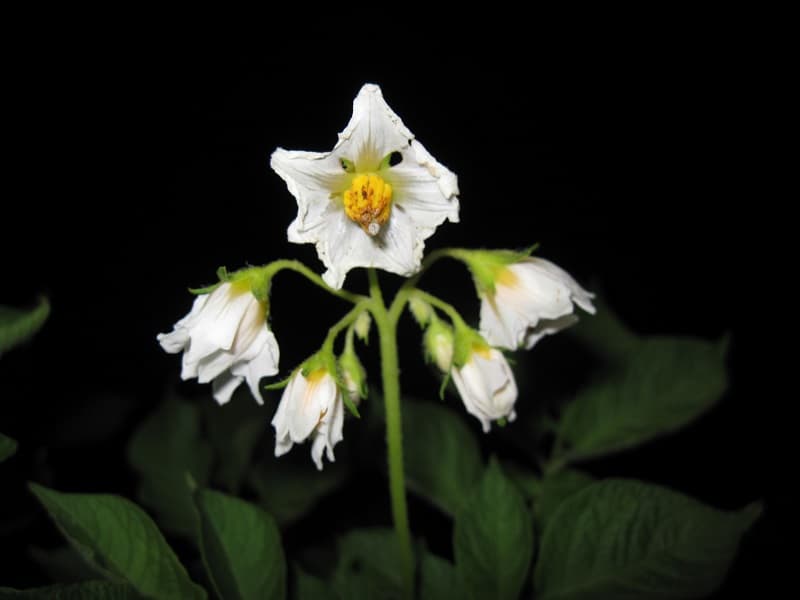 Norland Potato
 Orange Bell Pepper
 Padrón Pepper
 Pimento Pepper
 Pineapple Tomato
 Poblano Pepper
 Purple Bell Pepper🥔Purple Majesty Potato
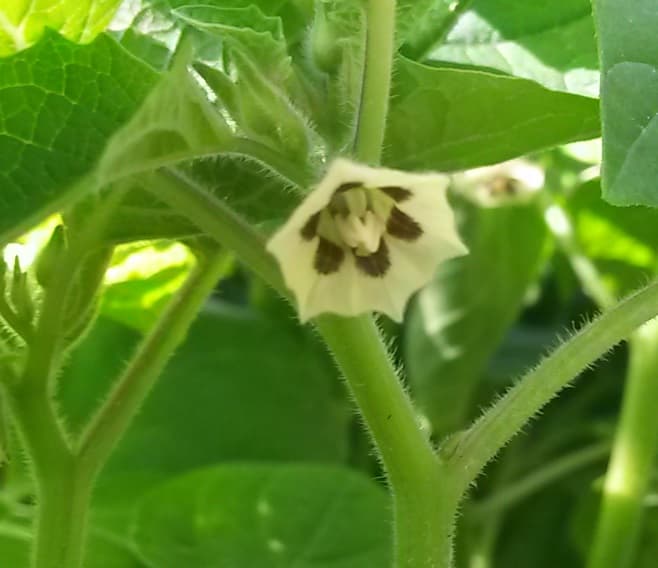 Purple Tomatillo
 Red Bell Pepper
 Red Pontiac Potato
 Roma Tomato🍆Rosa Bianca Eggplant
 Russet Potato🍅Rutgers Tomato
 San Marzano Tomato
 Scotch Bonnet Pepper
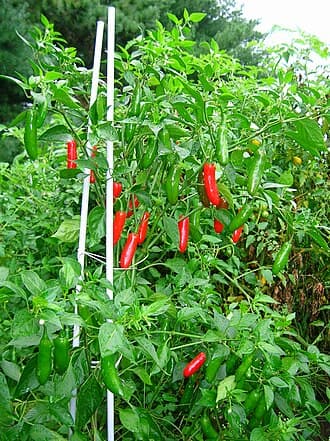 Serrano Pepper
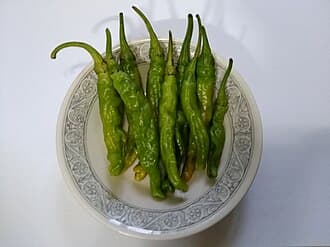 Shishito Pepper🍅Striped German Tomato🍅Sungold Cherry Tomato
 Sweet 100 Cherry Tomato
 Sweet Banana Pepper
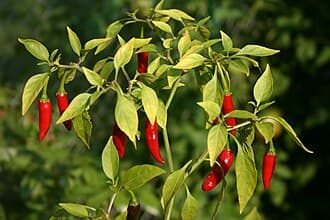 Thai Chili Pepper🍅Tiny Tim Cherry Tomato
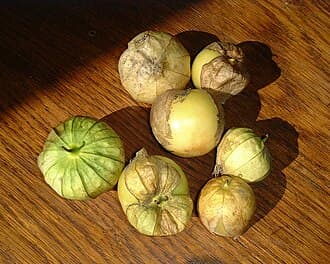 Toma Verde Tomatillo
 Trinidad Scorpion Pepper
 Yellow Bell Pepper
 Yellow Pear Tomato
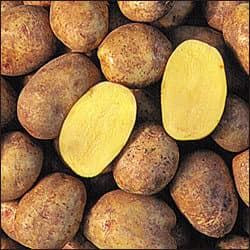 Yukon Gold Potato
For educational and informational purposes only. Pest control advice is general guidance drawn from university cooperative extension sources; always identify a pest positively and read and follow the label on any product before use, especially around food crops, children, and pets.