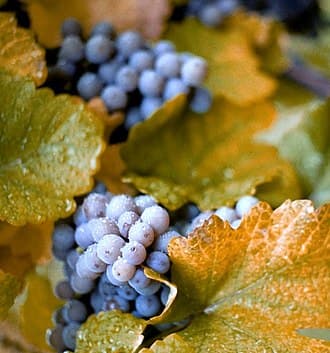
Concord Grape
Vitis labrusca 'Concord'
fruitConcord is the classic American blue-black slipskin grape, intensely aromatic and sweet-tart, the grape behind traditional grape juice, jelly, and jam. A vigorous, cold-hardy, disease-tolerant vine, it is self-fruitful and forgiving, ripening its heavy clusters in early to mid fall, and a single well-tended vine can produce for decades.
☀️
Sun
full sun
💧
Water
Every 5 days
🌾
Harvest
~24 months
to first harvest
📊
Difficulty
easy
🌱
Lifecycle
perennial
Comes back every year
↔️
Spacing
6-8 ft. apart
⬇️
Planting Depth
Crown at soil line
🧪
Soil pH
5.5-7.0
Growing Details
Soil Type
Average, well-draining
Hardiness Zones
Zones 4 – 8
When to Fertilize
Early spring
Fertilizer
Balanced 10-10-10, modest
🌱 Growing Guide
Plant in full sun on a sturdy trellis or arbor in well-drained soil, giving the vigorous vine room to climb, and train it to a permanent trunk and a few main arms while it establishes. Grapes fruit on shoots from one-year-old wood, so prune hard every dormant season, removing most of the previous year's growth and leaving a renewal of healthy young canes; without heavy pruning the vine grows rampant and fruits poorly.
Planting Calendar
Sign in to personalize →🌿
Direct sow
Apr 15
🌾
Projected first harvest
Sep 12 · Year 3
JJan
FFeb
MMar
AApr
MMay
JJun
JJul
AAug
SSep
OOct
NNov
DDec
Year 1
✅ Plant alongside
Good neighbors that attract beneficial insects or deter pests
- Clover groundcover: Fixes nitrogen and supports beneficial insects
- Hyssop: Draws pollinators and may deter some pests
- Chives: Scent helps deter aphids and beetles
- Geraniums: May help repel leafhoppers near the vine
❌ Keep away from
Cabbage
🛡️ Pest & disease prevention
Proactive ways to stop trouble before it starts. Tap a name with an arrow for its full guide
Prune for airflow, remove mummified fruit, and rake debris to break the cycle
Handpick in the morning into soapy water; avoid lure traps that attract more
Open the canopy with pruning and avoid overhead watering
Drape netting over the vines as fruit colors up
🌾 Harvest & storage
Pick Concord grapes only when fully ripe, since they do not sweeten after picking: the clusters turn deep blue-black with a powdery bloom, taste sweet, and come away easily, usually after a couple of weeks of color change. Taste a few from the bottom of a cluster to judge ripeness, and harvest before fall frosts and hungry birds get them.
🥗 Nutrition & benefits
Concord grapes are rich in antioxidant polyphenols, especially the anthocyanins and resveratrol in their dark skins that are studied for heart health, and they supply vitamin C, vitamin K, and natural fruit sugars.
For educational and informational purposes only. HomeSown is not medical, health, or other professional advice. Always positively identify any plant before handling or eating it; some plants, and some parts of otherwise-edible plants, are toxic. Consult a qualified professional before consuming or otherwise using any plant, especially if you are pregnant, nursing, taking medication, or have a health condition.