
Black Rot
Xanthomonas campestris
The most serious bacterial disease of the cabbage family, black rot rots leaves inward from V-shaped yellow wedges at the leaf edge and blackens the veins. It hits cabbage, broccoli, cauliflower, kale, and their kin, and because it rides on seed and spreads in warm, wet weather, it can move fast through a planting. There is no cure once plants are infected.
🔎 How to spot it
Look for yellow to tan, V-shaped or wedge-shaped patches along the leaf margins, with the point of the V aimed inward toward a vein. Inside the affected tissue the veins turn dark brown to black, a key sign, and cutting the stem may show blackened, ringed vascular tissue. Affected leaves yellow, wilt, and die, and the rot can spread into the head.
🥀 Damage it causes
Black rot kills leaf tissue, stunts and distorts plants, and can rot into the head, sharply cutting yield and quality. Infected young plants may be killed; older ones are weakened and prone to soft-rot bacteria that finish the job in the field or in storage. A seed-borne start can spread through a whole bed.
🔬 What causes it
Black rot is caused by the bacterium Xanthomonas campestris pv. campestris. It comes in mainly on infected seed and transplants and survives on crop debris and related weeds. The bacteria spread by splashing rain and overhead watering and enter through leaf-edge pores and wounds. Warm, humid weather around 80 F favors fast development.
🛡️ Prevent it
Start with certified disease-free seed and transplants, or hot-water treat saved seed, since the disease is mainly seed-borne. Rotate away from cabbage-family crops for about three years, control cruciferous weeds, and clean up debris. Water at the base rather than overhead, space plants for airflow, do not work among wet plants, and grow resistant varieties where offered.
🧯 If it is already here
There is no cure once plants are infected, so remove and destroy affected plants and do not compost them. Avoid spreading the bacteria on hands and tools, especially when the foliage is wet. Copper sprays give only limited protection. The dependable controls are clean seed, rotation, and sanitation rather than anything applied after symptoms appear.
💡 Good to know
The yellow V at the leaf edge with blackened veins is the signature that separates black rot from other brassica leaf problems. Because it is mainly seed-borne, buying clean seed or hot-water treating your own is one of the most effective single steps you can take against it.
🌱 Plants it affects
57 plants in the library can be affected by this problem
 Arugula🥕Black Spanish Radish
 Bok Choy
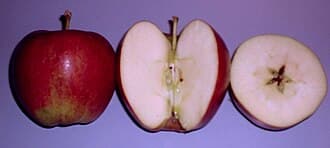 Braeburn Apple
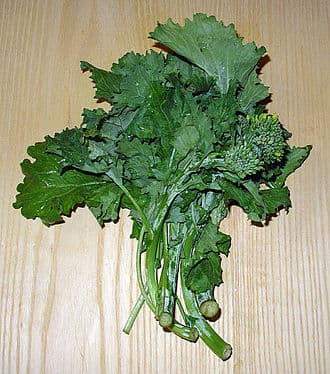 Broccoli Rabe
 Brussels Sprouts
 Calabrese Broccoli
 Catawba Grape🥬Champion Collards
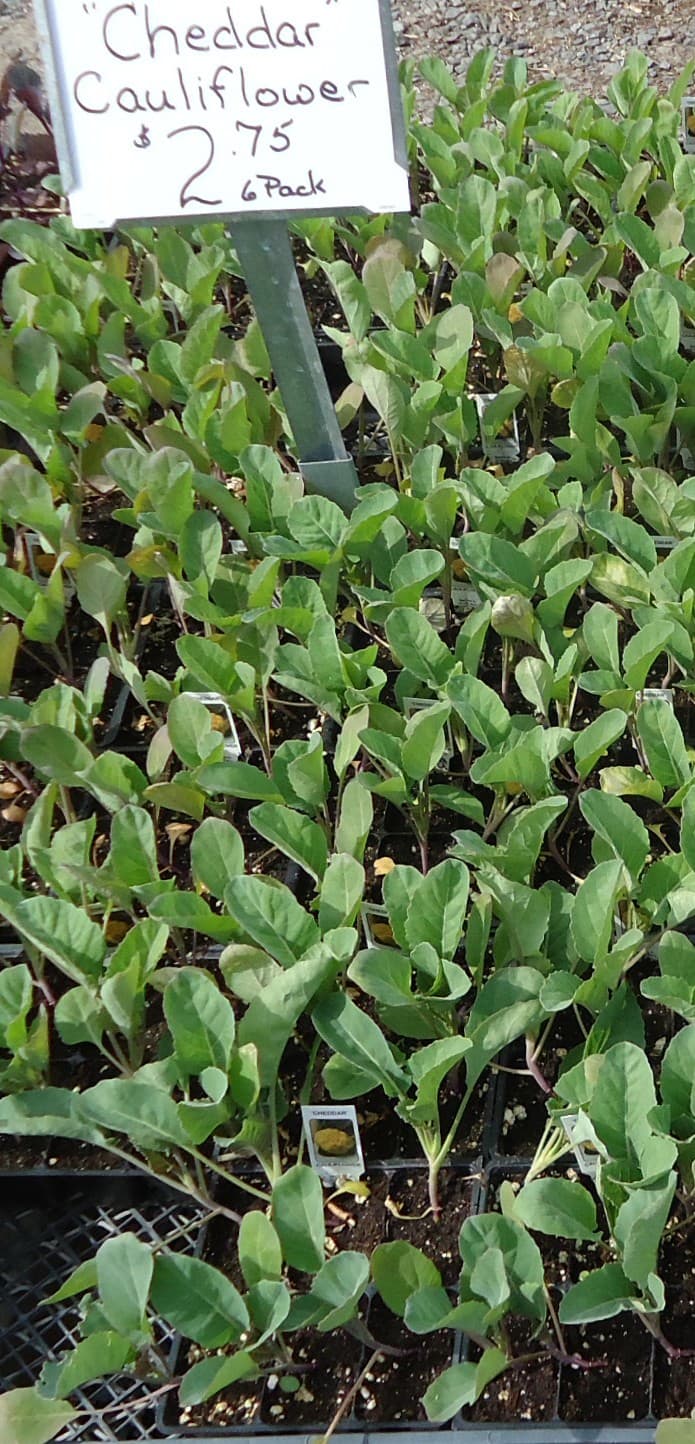 Cheddar Cauliflower
 Cherry Belle Radish
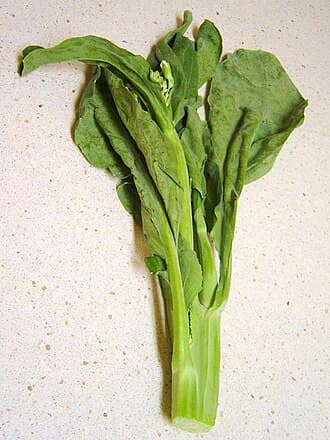 Chinese Broccoli
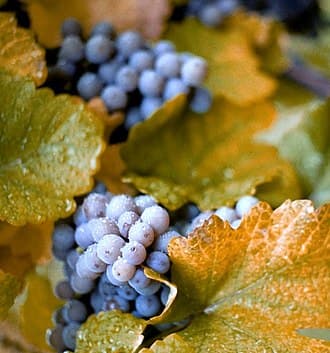 Concord Grape
 Cortland Apple
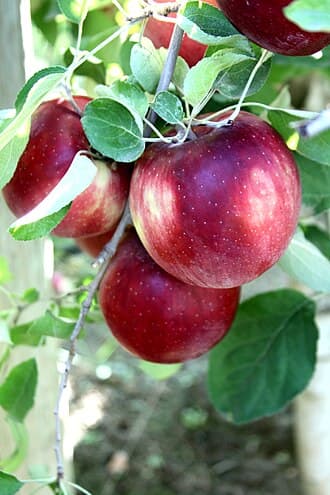 Cosmic Crisp Apple
 Daikon Radish
 De Cicco Broccoli
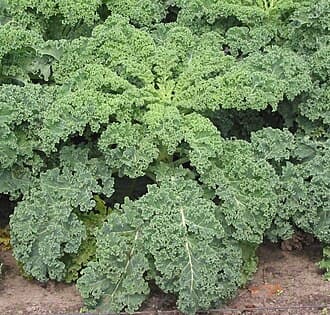 Dwarf Blue Curled Vates Kale🥬Dwarf Siberian Kale🌸Easter Egg Radish🥕French Breakfast Radish
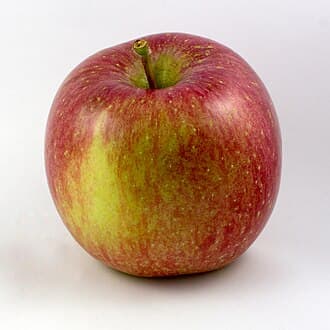 Fuji Apple
 Gala Apple
 Granny Smith Apple
 Green Cabbage
 Hakurei Turnip
 Honeycrisp Apple
 Horseradish
 January King Cabbage
 Kohlrabi
 Lacinato Kale
 McIntosh Apple
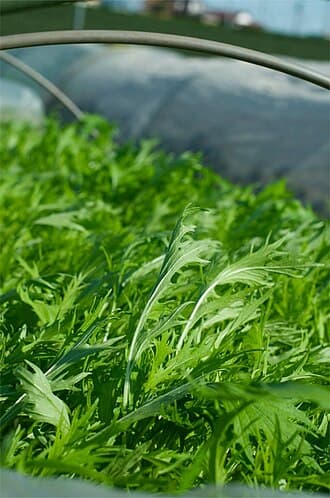 Mizuna
 Muscadine Grape
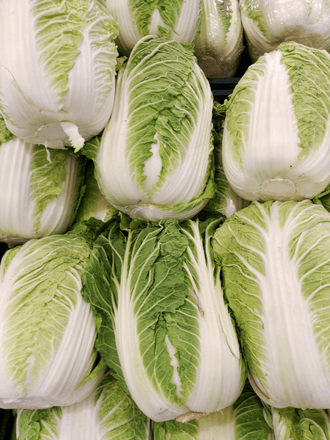 Napa Cabbage
 Niagara Grape
 Oregon Grape
 Pink Lady Apple🥦Purple Cape Cauliflower
 Purple Sprouting Broccoli
 Purple Top Turnip
 Red Cabbage
 Red Delicious Apple
 Red Russian Kale
 Redbor Kale
 Romanesco Cauliflower
 Rutabaga
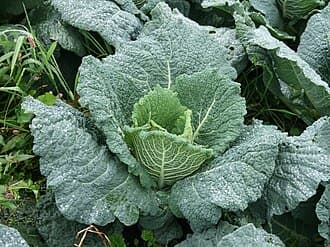 Savoy Cabbage
 Sea Kale🥦Snowball Cauliflower
 Sugar Apple
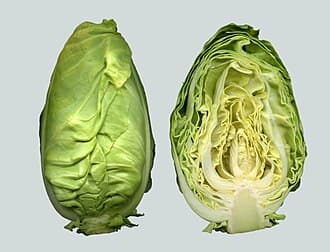 Sweetheart Cabbage
 Tatsoi
 Thompson Seedless Grape
 Watercress🥕Watermelon Radish
 White Mustard
For educational and informational purposes only. Disease management advice is general guidance drawn from university cooperative extension sources; always identify a problem positively and read and follow the label on any product before use, especially around food crops, children, and pets.