
Downy Mildew
Pseudoperonospora cubensis and related water molds
A fast-moving water mold disease that blankets the undersides of leaves with gray or purple fuzz while the tops show angular yellow blotches. It hits cucurbits like cucumber, melon, and squash hard, and other forms strike basil, lettuce, spinach, and grapes. In cool, wet, humid weather it can brown out a planting in days.
🔎 How to spot it
Look for pale green to yellow spots on the upper leaf surface that are angular, boxed in by the leaf veins, rather than round. In humid conditions the undersides directly below the spots carry a downy gray, purple, or brown fuzz. Spots run together, and whole leaves turn brown and die as if frosted, while stems and fruit usually stay symptom free.
🥀 Damage it causes
Downy mildew kills leaves quickly, and the loss of foliage starves the plant, reduces and delays the harvest, and leaves fruit exposed to sunscald. On fast cycles it can defoliate a cucumber or basil planting within a week or two of the first spots.
🔬 What causes it
Downy mildews are caused by water molds, most famously Pseudoperonospora cubensis on cucurbits, that need cool, wet, humid conditions and leaf moisture to infect, doing best around 59 to 68 F. The cucurbit form cannot survive cold winters or live on dead debris in the north; instead spores blow in on air currents from the south each year. It spreads fast on wind and splashing water.
🛡️ Prevent it
Plant resistant varieties, which are the single best defense for cucumber and basil. Space plants widely, trellis vines, and water at the base so leaves dry fast. Grow in full sun with good air movement. Watch regional downy mildew forecasts so you can scout closely and act the moment it is reported in your area.
🧯 If it is already here
Remove and destroy symptomatic leaves and plants promptly. Once it arrives, approved organic fungicides such as copper, applied preventively to protect healthy foliage, can slow it, but they will not cure infected tissue; follow the label and rotate products. Because the disease moves so fast, resistant varieties and sanitation matter more than spraying.
💡 Good to know
Downy mildew is often confused with powdery mildew, but the two are opposites in key ways: downy makes angular spots bounded by veins with fuzzy growth only on the leaf underside and favors cool wet weather, while powdery makes round white patches on both surfaces and tolerates dry, warm conditions. Each downy mildew is specialized to its host group.
🌱 Plants it affects
339 plants in the library can be affected by this problem
 Acorn Squash
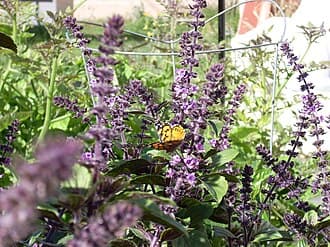 African Blue Basil
 African Marigold
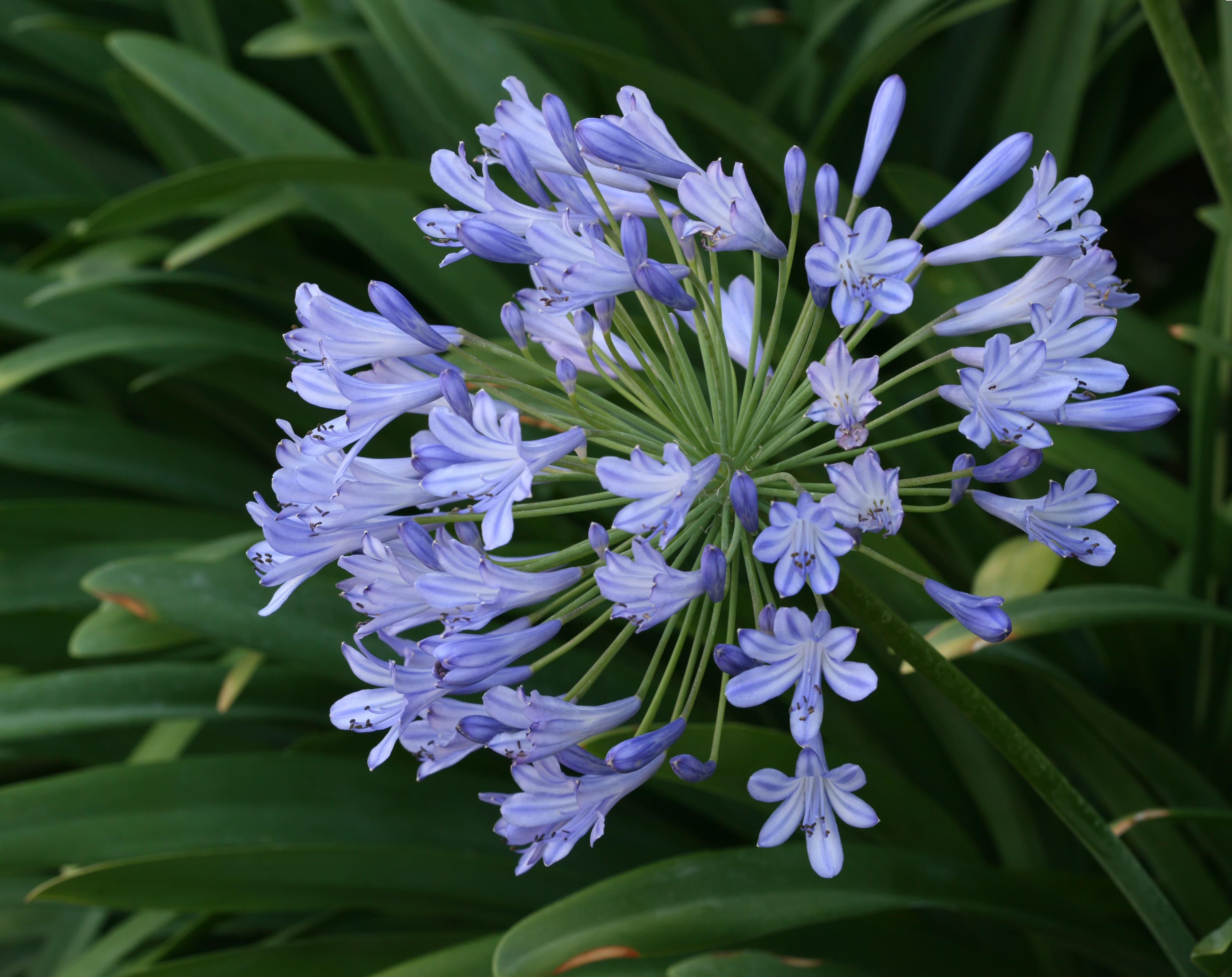 Agapanthus
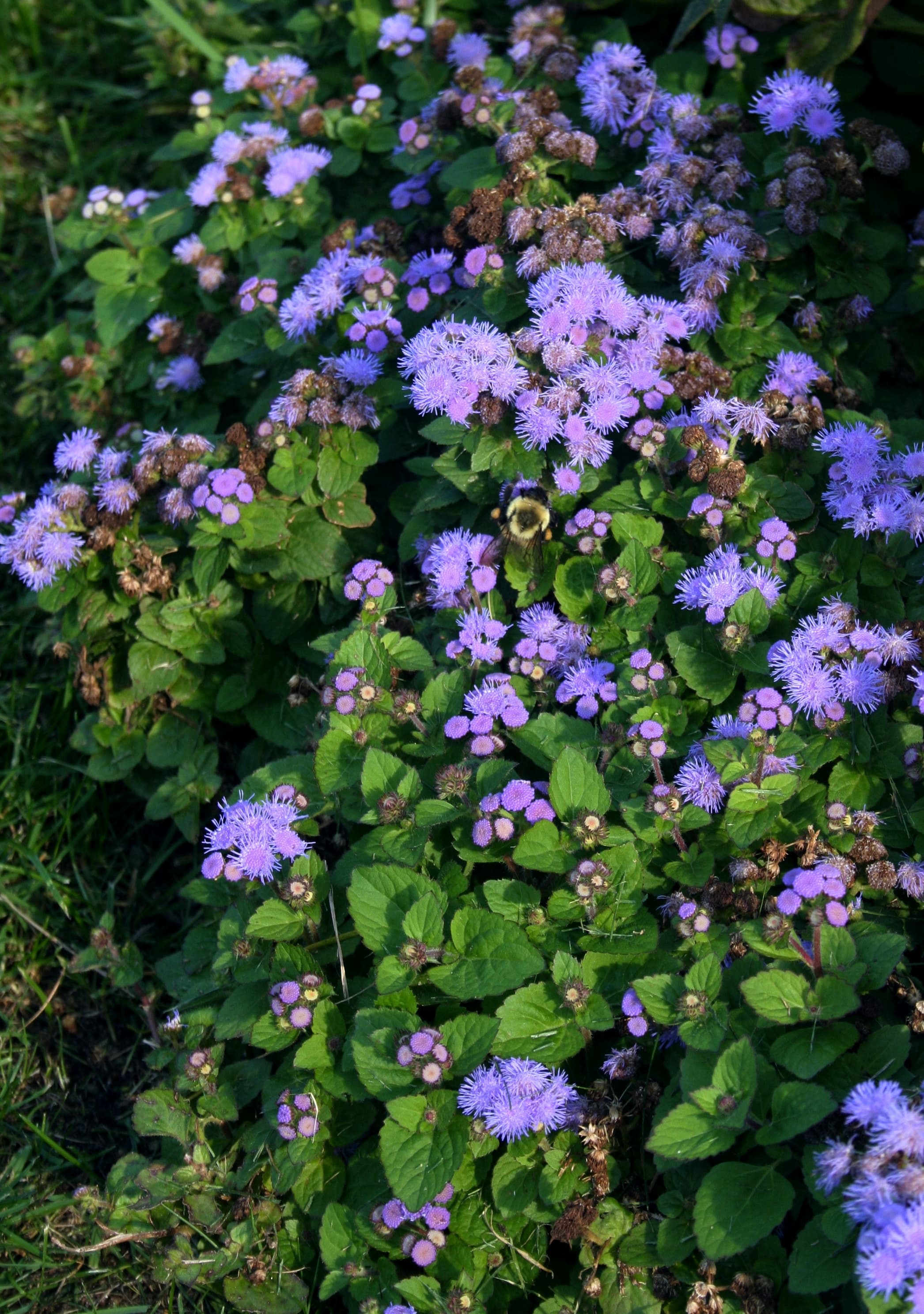 Ageratum
 Alice du Pont Mandevilla
 Amethyst Falls Wisteria
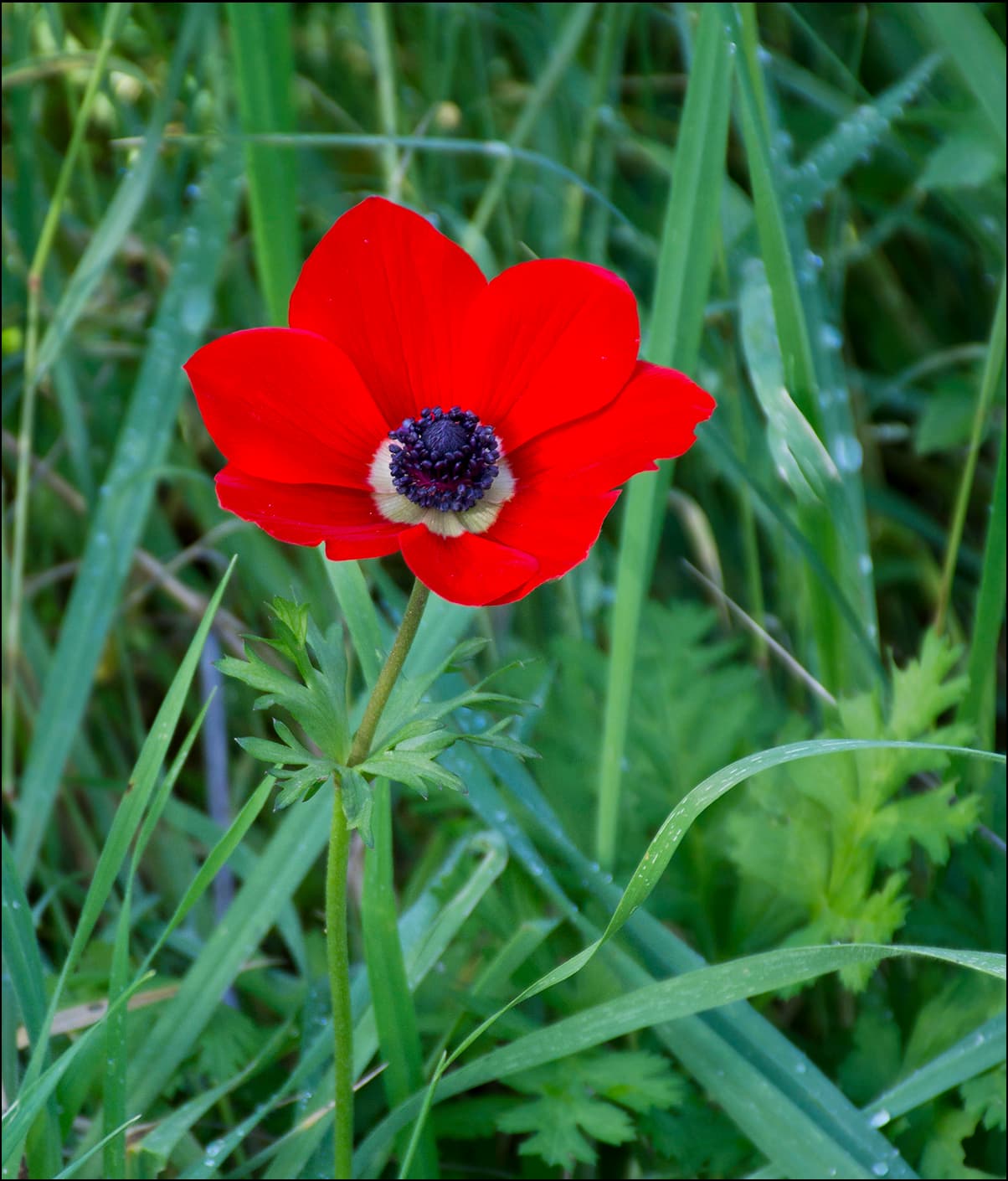 Anemone
 Angelique Tulip
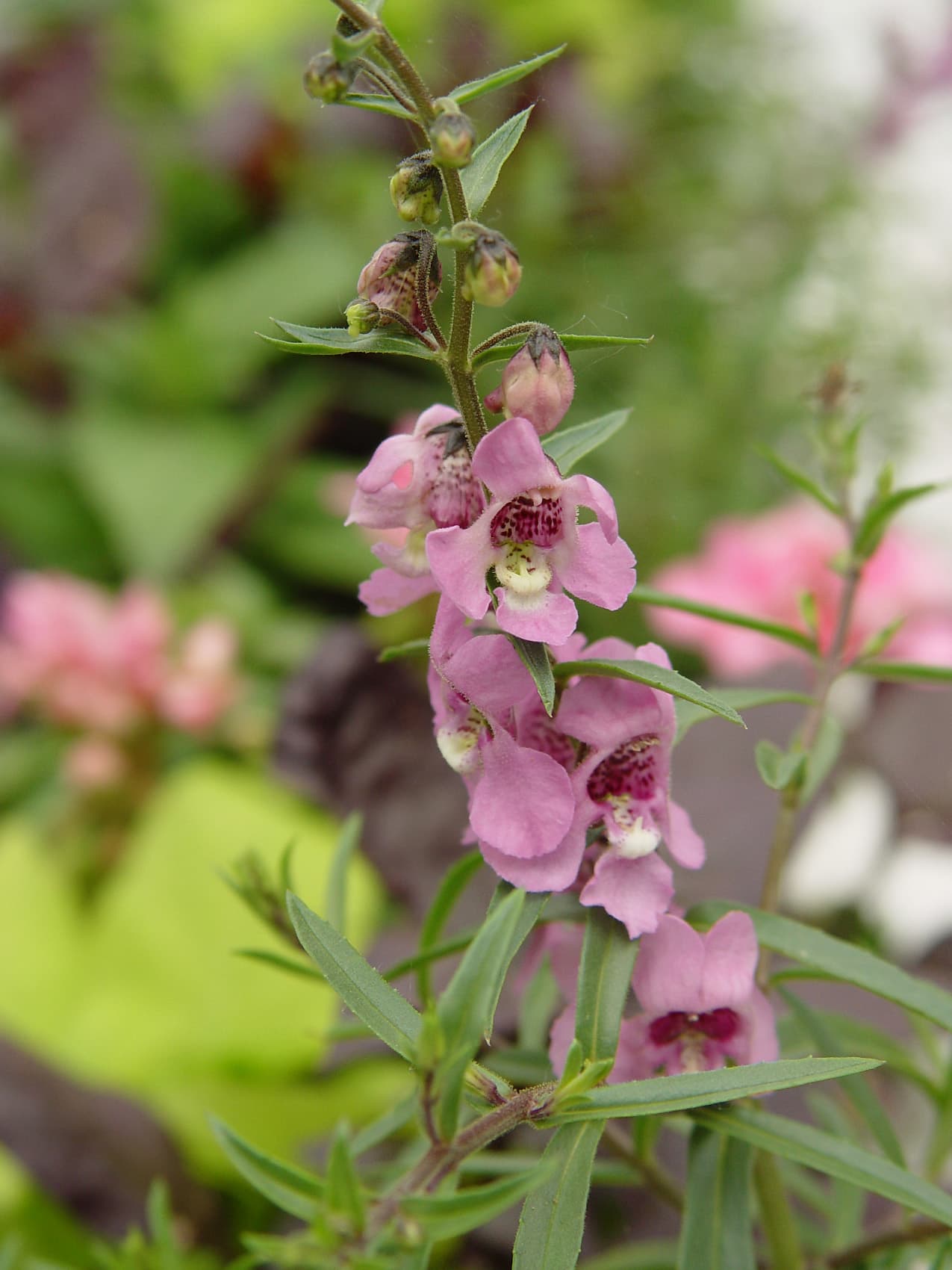 Angelonia
 Annabelle Smooth Hydrangea
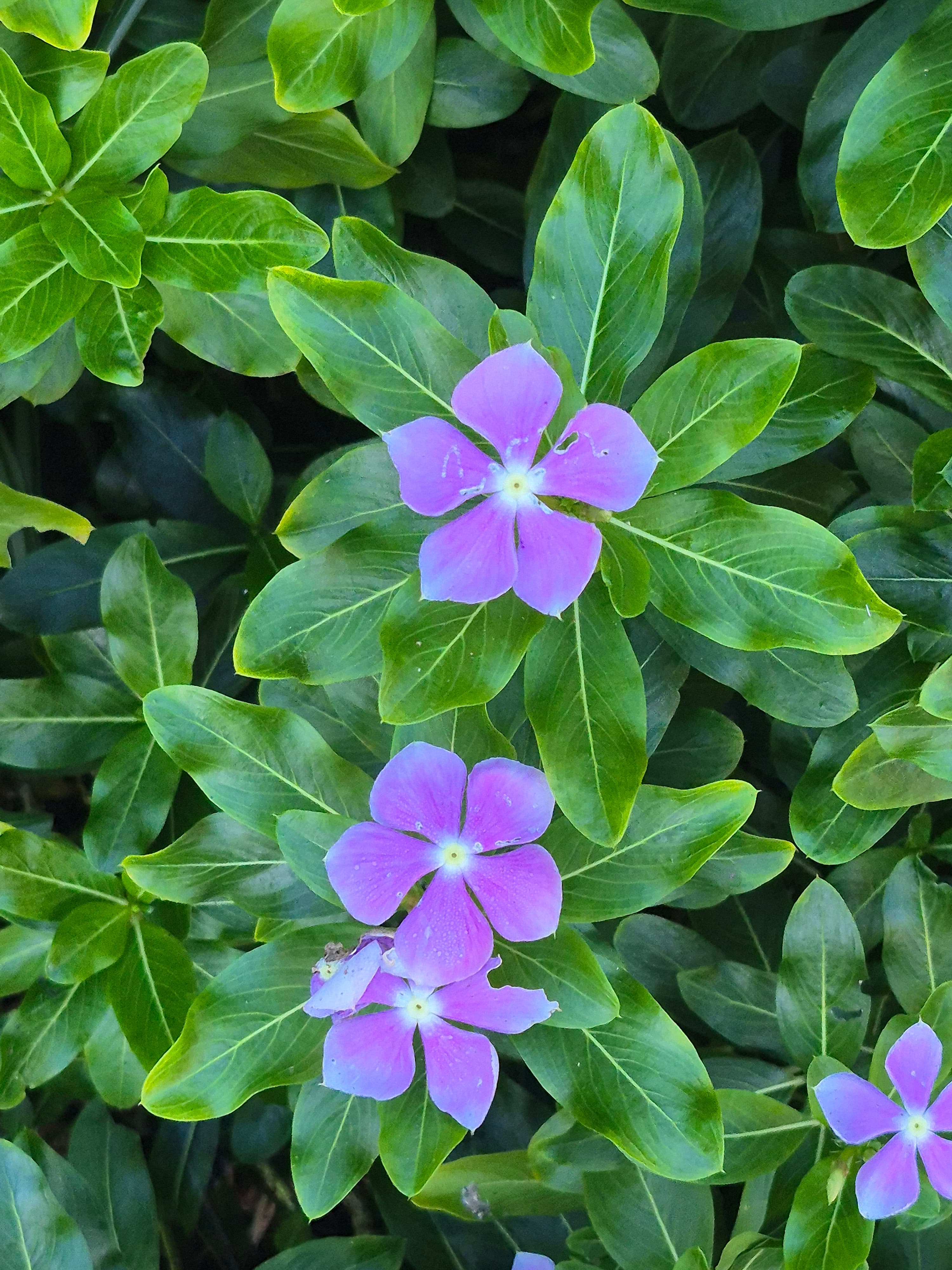 Annual Vinca
 Apeldoorn Tulip
 April Tryst Camellia
 Arizona Sun Blanket Flower
 Armenian Cucumber
 Arugula
 Atlantic Giant Pumpkin
 August Beauty Gardenia
 Autumn Joy Sedum
 Bachelor's Button
 Barbara Karst Bougainvillea
 Becky Shasta Daisy
 Bee Balm
 Benarys Giant Zinnia
 Bengal Tiger Canna🥬Bibb Lettuce
 Bitter Melon
 Black Beauty Zucchini🍉Black Diamond Watermelon🥬Black Seeded Simpson Lettuce🥕Black Spanish Radish
 Black-Eyed Pea
 Black-eyed Susan Vine
 Blood Orange
 Bloomsdale Spinach
 Blue Bird Delphinium
 Blue Bird Rose of Sharon
 Blue Fescue
 Bok Choy🥒Boston Pickling Cucumber
 Broccoli Rabe
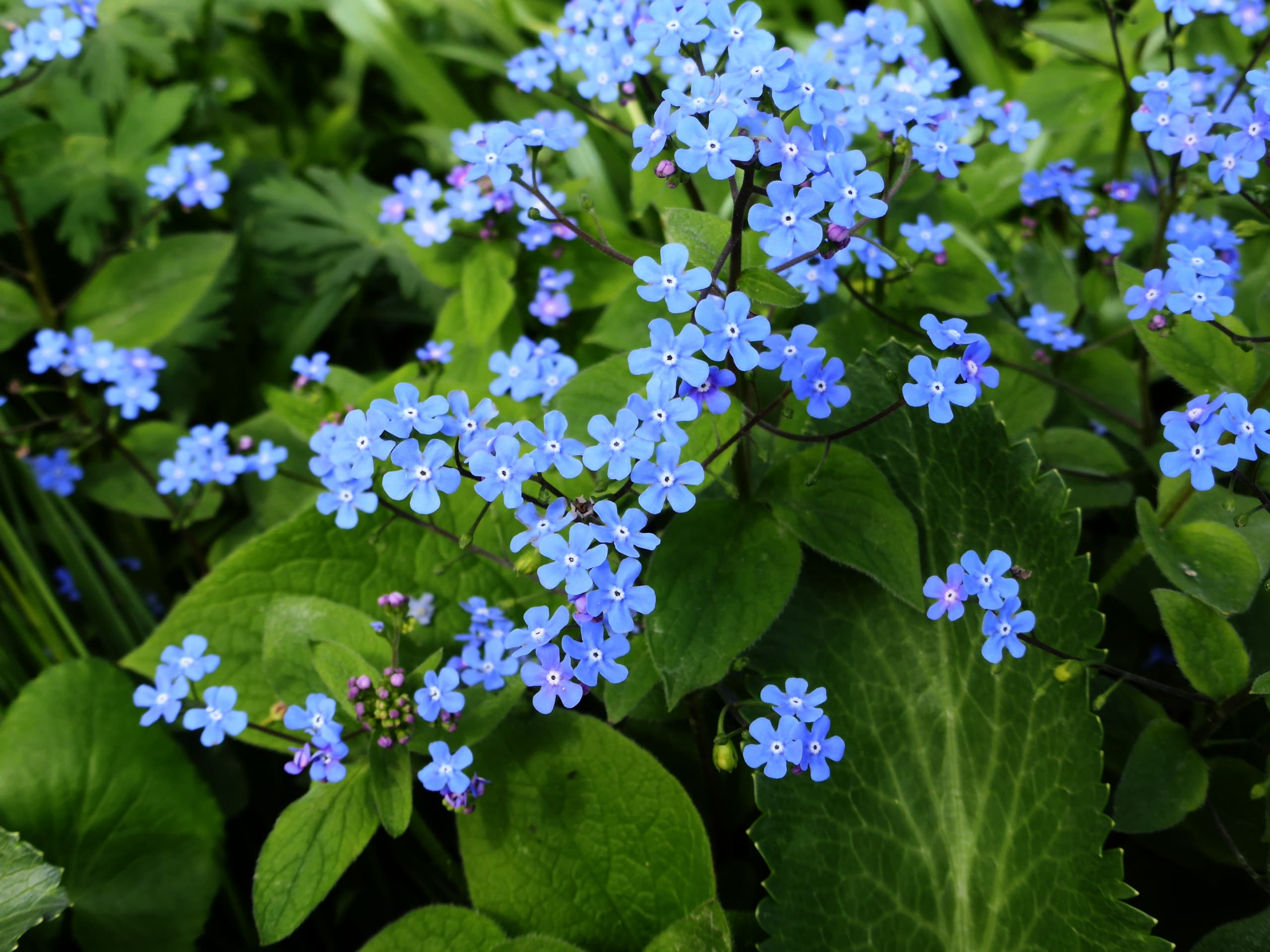 Brunnera
 Brussels Sprouts
 Burning Bush
 Buttercrunch Lettuce
 Buttercup Squash
 Butterfly Blue Pincushion Flower
 Butterfly Marguerite Daisy
 Butterfly Weed
 Butternut Squash
 Cafe au Lait Dahlia
 Calabrese Broccoli
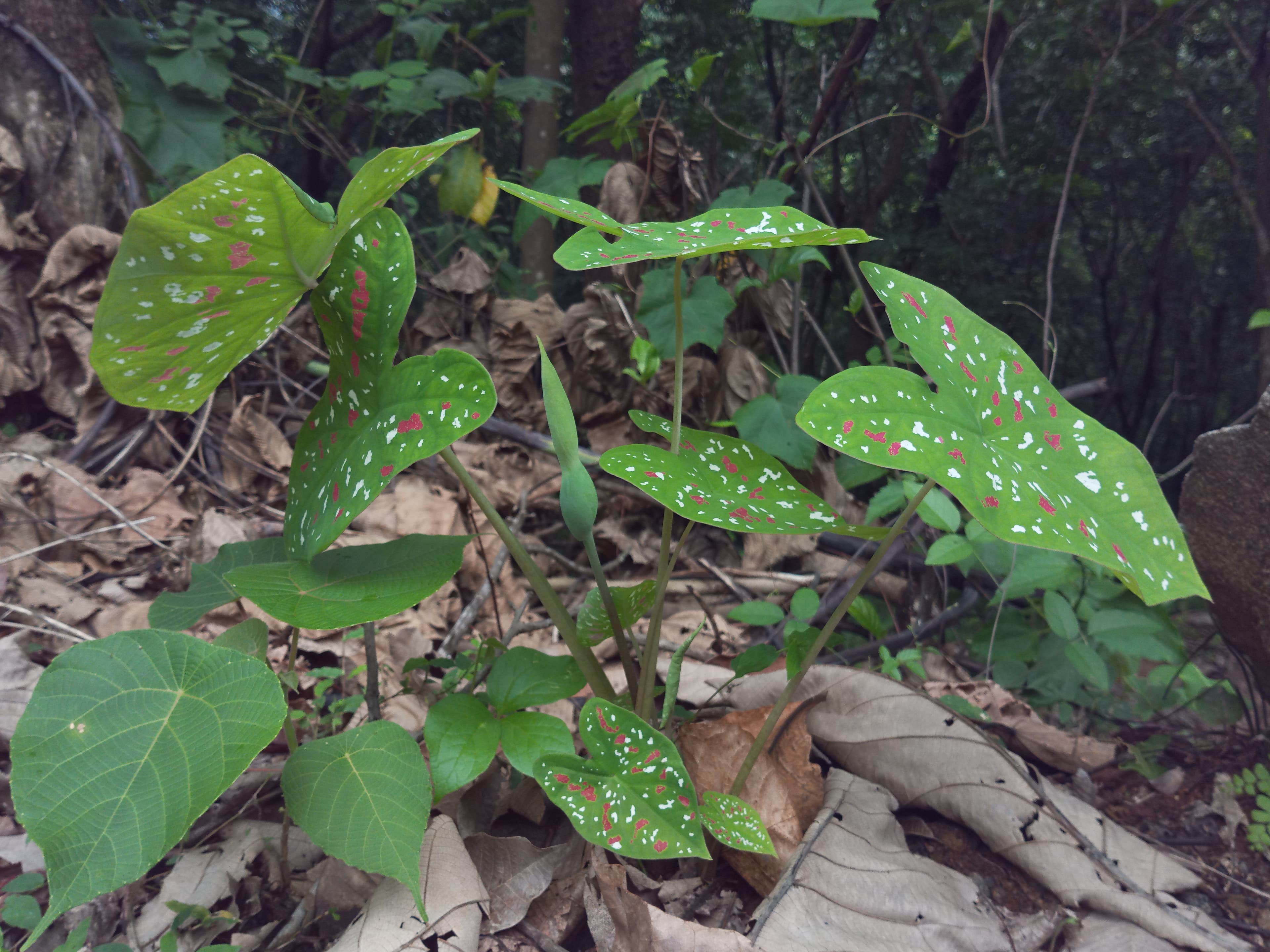 Caladium
 Calendula
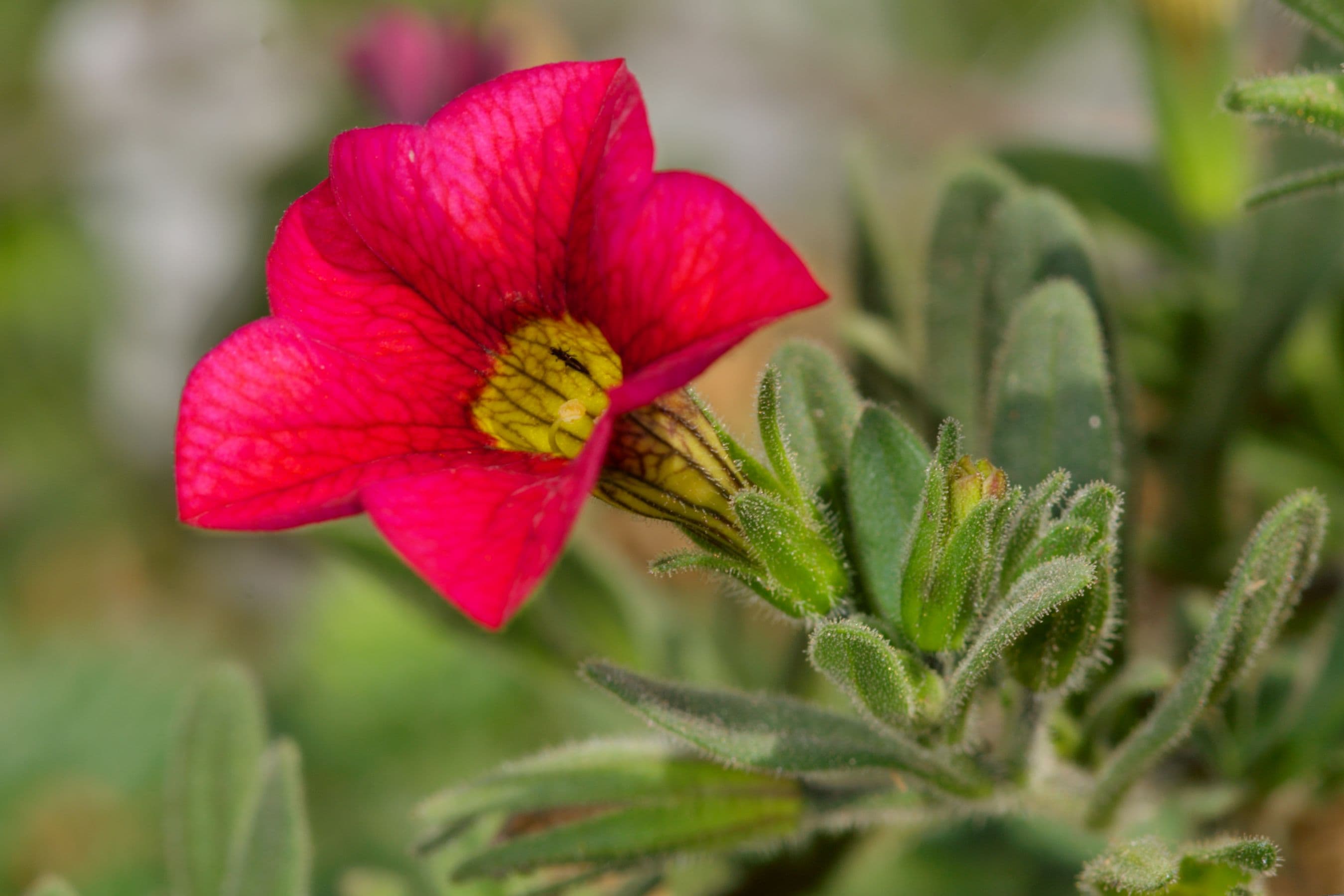 Calibrachoa
 California Giant Zinnia
 California Poppy
 Campanula
 Cantaloupe
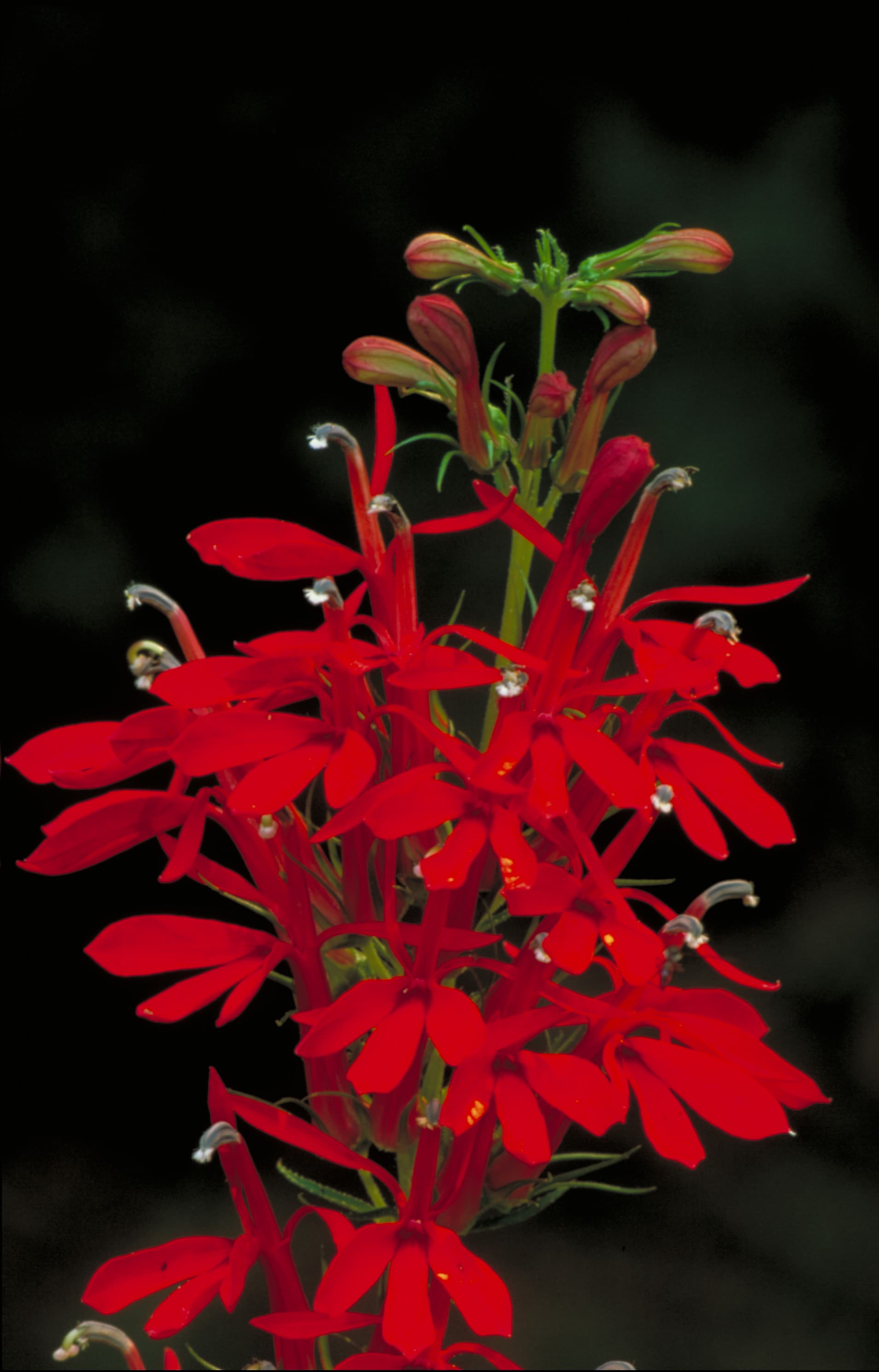 Cardinal Flower
 Carolina Geranium
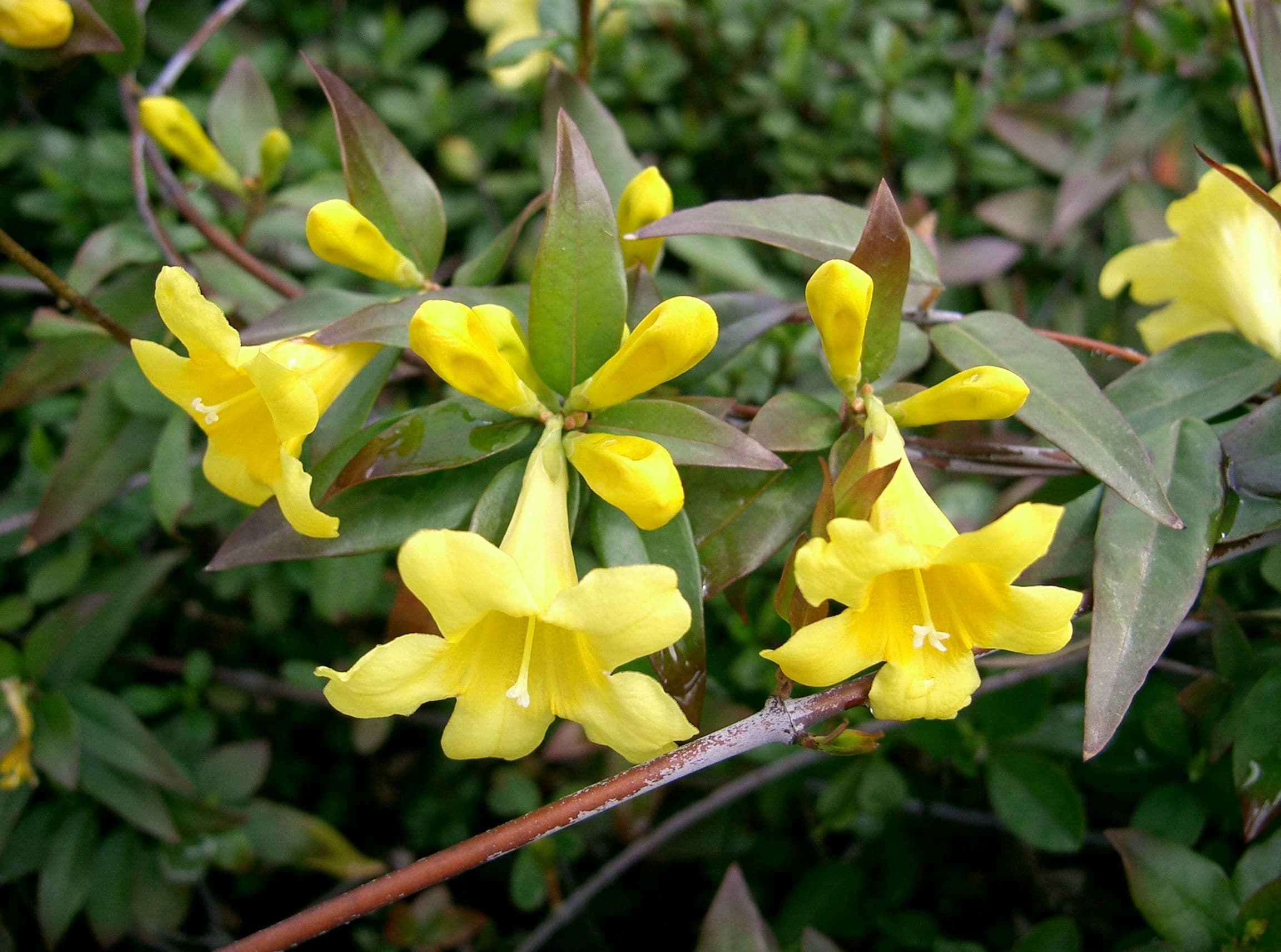 Carolina Jessamine
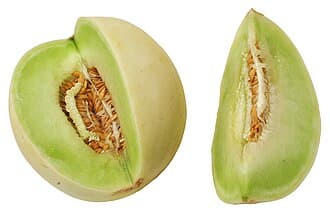 Casaba Melon
 Catawba Grape🥬Champion Collards
 Charleston Gray Watermelon
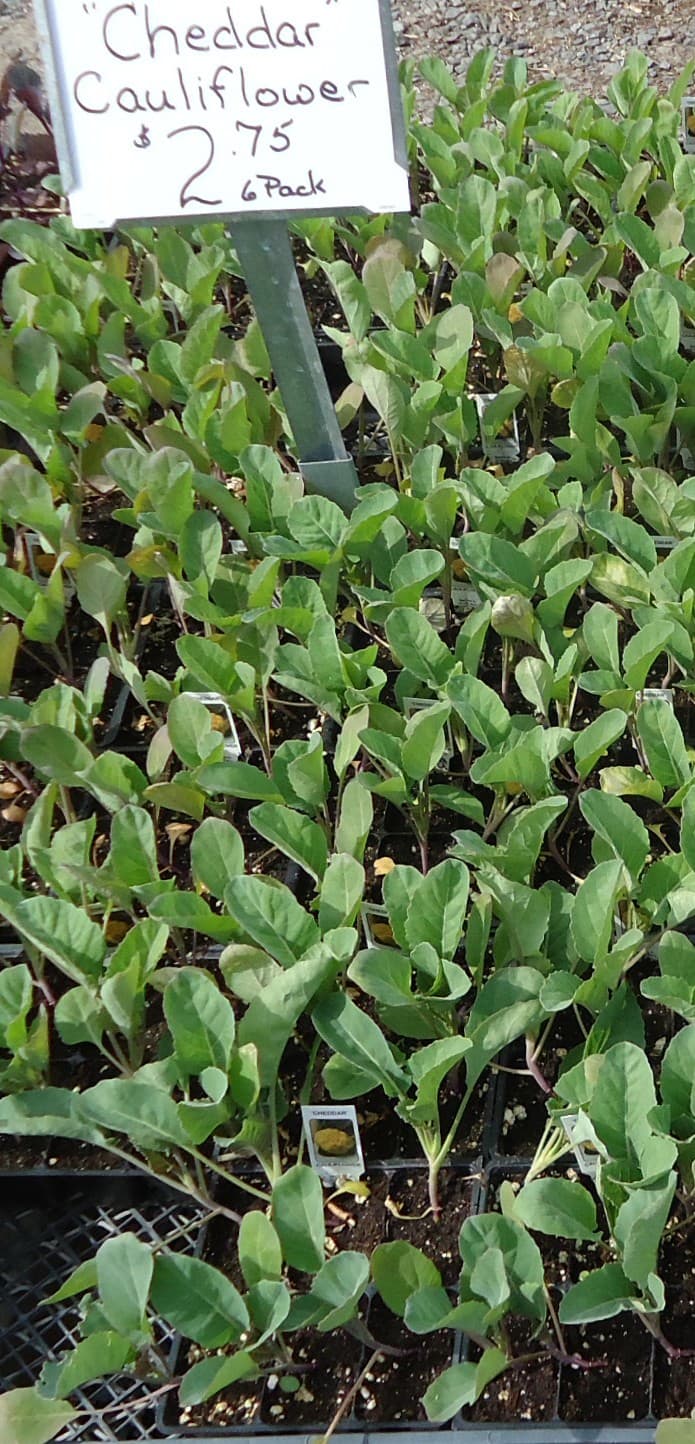 Cheddar Cauliflower
 Cherry Belle Radish
 Chicory
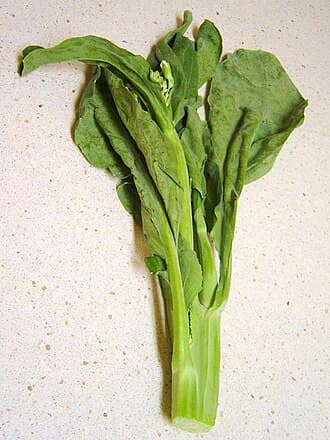 Chinese Broccoli
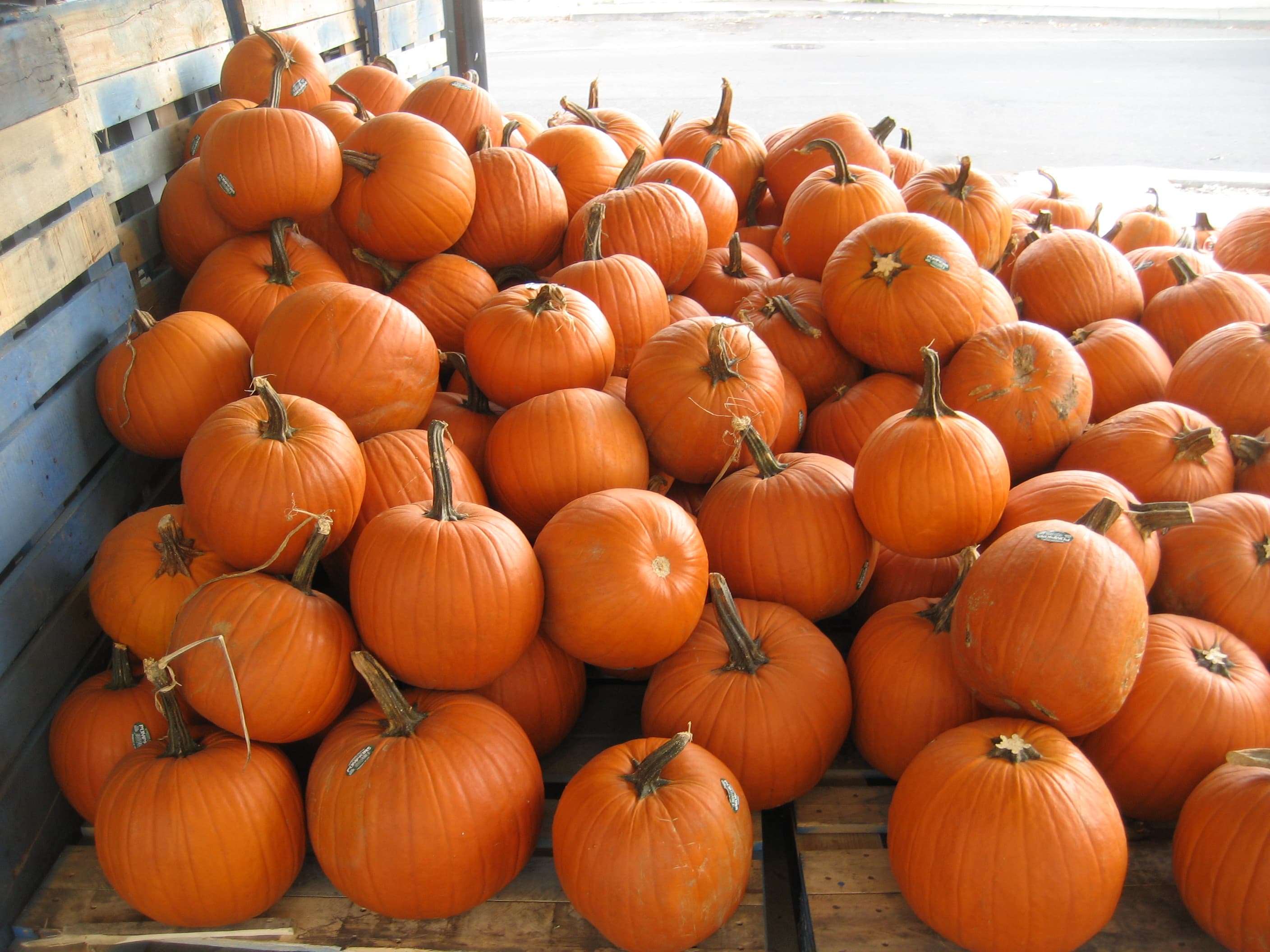 Cinderella Pumpkin
 Cinnamon Basil
 Cipollini Onion
 Climbing Hydrangea
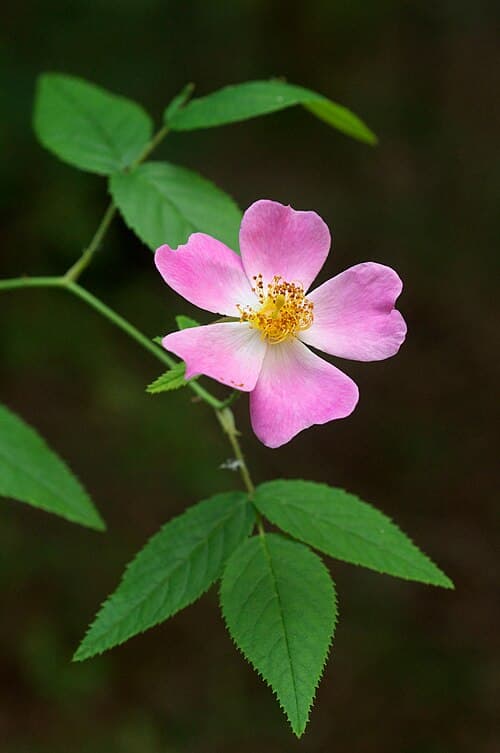 Climbing Prairie Rose
 Cocktail Vodka Begonia
 Coleus
 Collard Greens
 Common Chives
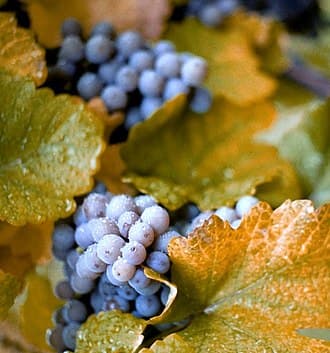 Concord Grape
 Coral Drift Groundcover Rose
 Cosmos
 Costata Romanesco Zucchini
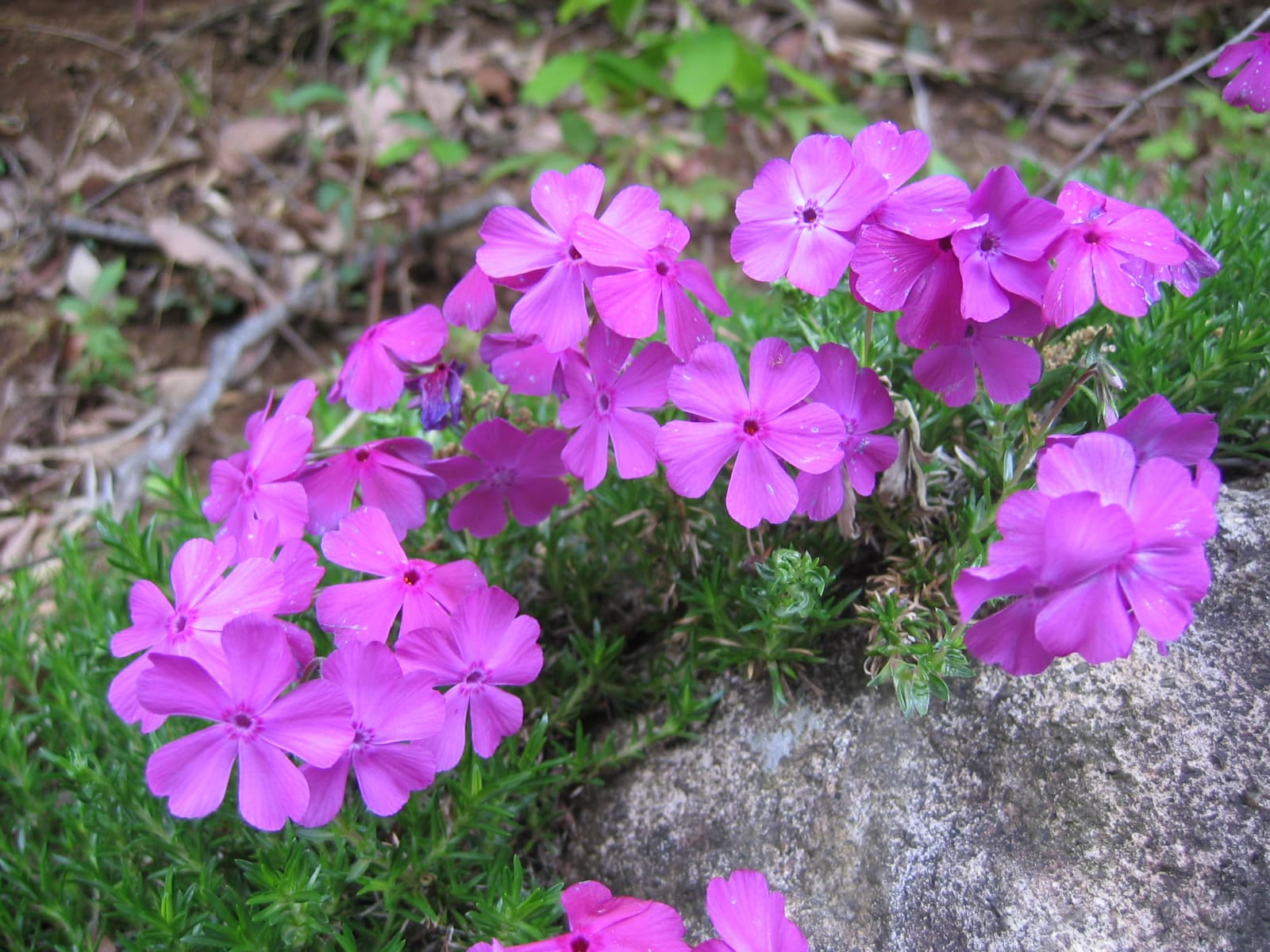 Creeping Phlox
 Crenshaw Melon
 Crimson Sweet Watermelon
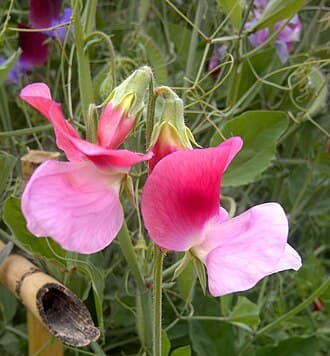 Cupani Sweet Pea
 Daikon Radish
 Dandelion
 David Garden Phlox
 De Cicco Broccoli
 Delft Blue Hyacinth
 Delicata Squash
 Denim n Lace Russian Sage🥒Diva Cucumber
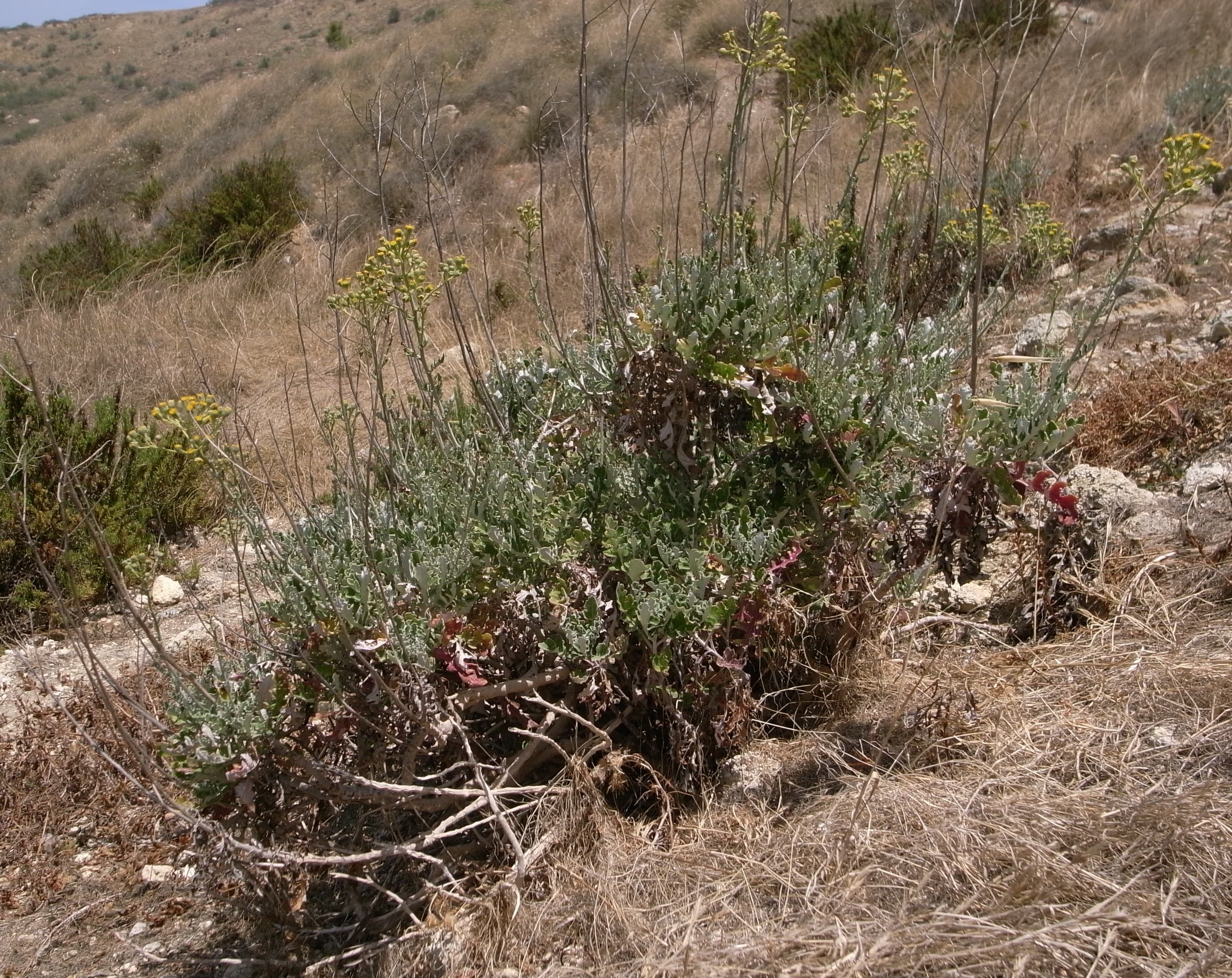 Dusty Miller
 Dutch Master Daffodil
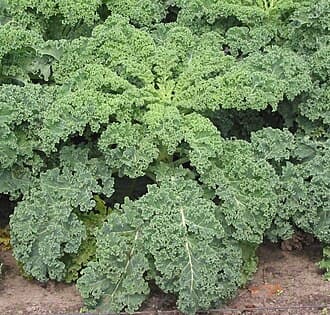 Dwarf Blue Curled Vates Kale🥬Dwarf Siberian Kale
For educational and informational purposes only. Disease management advice is general guidance drawn from university cooperative extension sources; always identify a problem positively and read and follow the label on any product before use, especially around food crops, children, and pets.