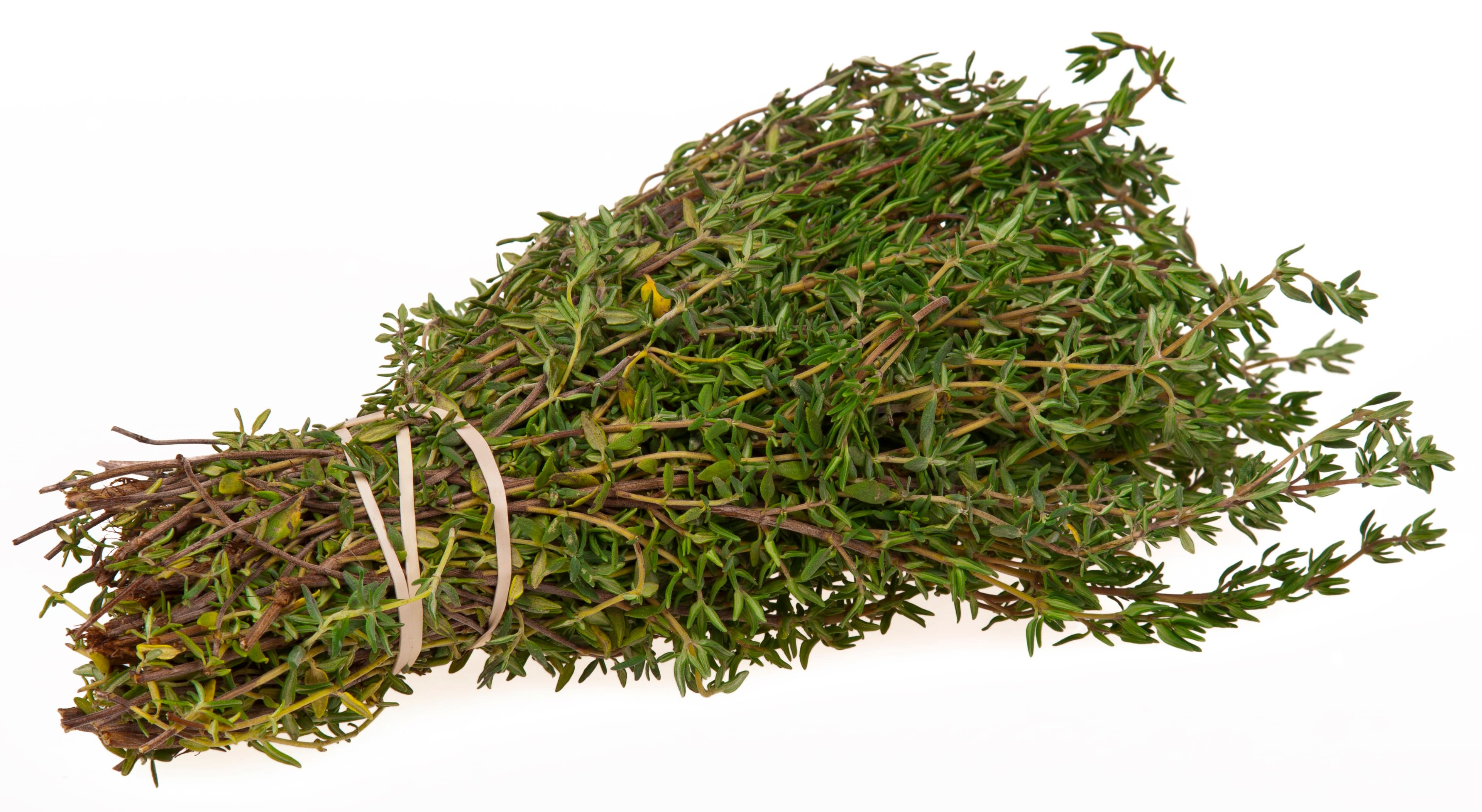
English Thyme
Thymus vulgaris
herbEnglish thyme is the common culinary thyme, a low, woody-stemmed Mediterranean perennial with tiny, intensely aromatic gray-green leaves, a foundation herb for stocks, roasts, and slow-cooked dishes. The tough little plants are evergreen in mild climates, draw bees when they bloom, and hold their flavor well through cooking and drying.
☀️
Sun
full sun
💧
Water
Every 5 days
🌾
Harvest
~75 days
📊
Difficulty
easy
🌱
Lifecycle
perennial
Comes back every year
↔️
Spacing
9-12 in. apart
⬇️
Planting Depth
1/4 in.
🧪
Soil pH
6.0-8.0
Growing Details
Soil Type
Sandy, well-drained
Hardiness Zones
Zones 4 – 9
When to Fertilize
Rarely needed; once in spring at most
Fertilizer
Light, all-purpose; avoid rich feeding
🌱 Growing Guide
Plant in full sun in lean, gritty, well-drained soil, since thyme thrives on dryness and resents wet feet and rich ground, which cause it to rot or grow soft and flavorless. Water sparingly once established, trim the plants lightly after they flower to keep them from turning woody and leggy, and divide or replace older plants every few years as they get bare in the center.
Planting Calendar
Sign in to personalize →🌱
Start seeds indoors
Feb 4
🌿
Transplant outdoors
Apr 29
🌾
Projected first harvest
Jul 13
JJan
FFeb
MMar
AApr
MMay
JJun
JJul
AAug
SSep
OOct
NNov
DDec
✅ Plant alongside
Good neighbors that attract beneficial insects or deter pests
- Cabbage and Brassicas: Aromatic thyme is said to deter cabbage worms
- Strawberries: A traditional groundcover companion
- Eggplant and Tomatoes: Fragrance helps mask the crops from pests
- Thyme flowers: In bloom, attract bees, hoverflies, and tiny parasitic wasps
❌ Keep away from
Cilantro
🛡️ Pest & disease prevention
Proactive ways to stop trouble before it starts. Tap a name with an arrow for its full guide
Generally pest-free
The aromatic oils that flavor thyme also repel many insects
The main risk; plant in gritty, well-drained soil and avoid overwatering
Rinse plants in hot, dry spells
🌾 Harvest & storage
Snip sprigs as needed nearly year-round, taking the top few inches of tender growth, with the flavor strongest just before the plant flowers. Strip the tiny leaves from the woody stems for use, and harvest extra for drying, which thyme tolerates well with little loss of flavor.
🥗 Nutrition & benefits
Thyme is used in small amounts but contributes vitamin C, vitamin A, and iron, along with the aromatic compound thymol and other antioxidants in its essential oils that are studied for antimicrobial properties.
For educational and informational purposes only. HomeSown is not medical, health, or other professional advice. Always positively identify any plant before handling or eating it; some plants, and some parts of otherwise-edible plants, are toxic. Consult a qualified professional before consuming or otherwise using any plant, especially if you are pregnant, nursing, taking medication, or have a health condition.