Regulated in some states
This plant is listed as a noxious or regulated weed in parts of the US, where it may be illegal to grow. Check your state and local regulations before planting it.
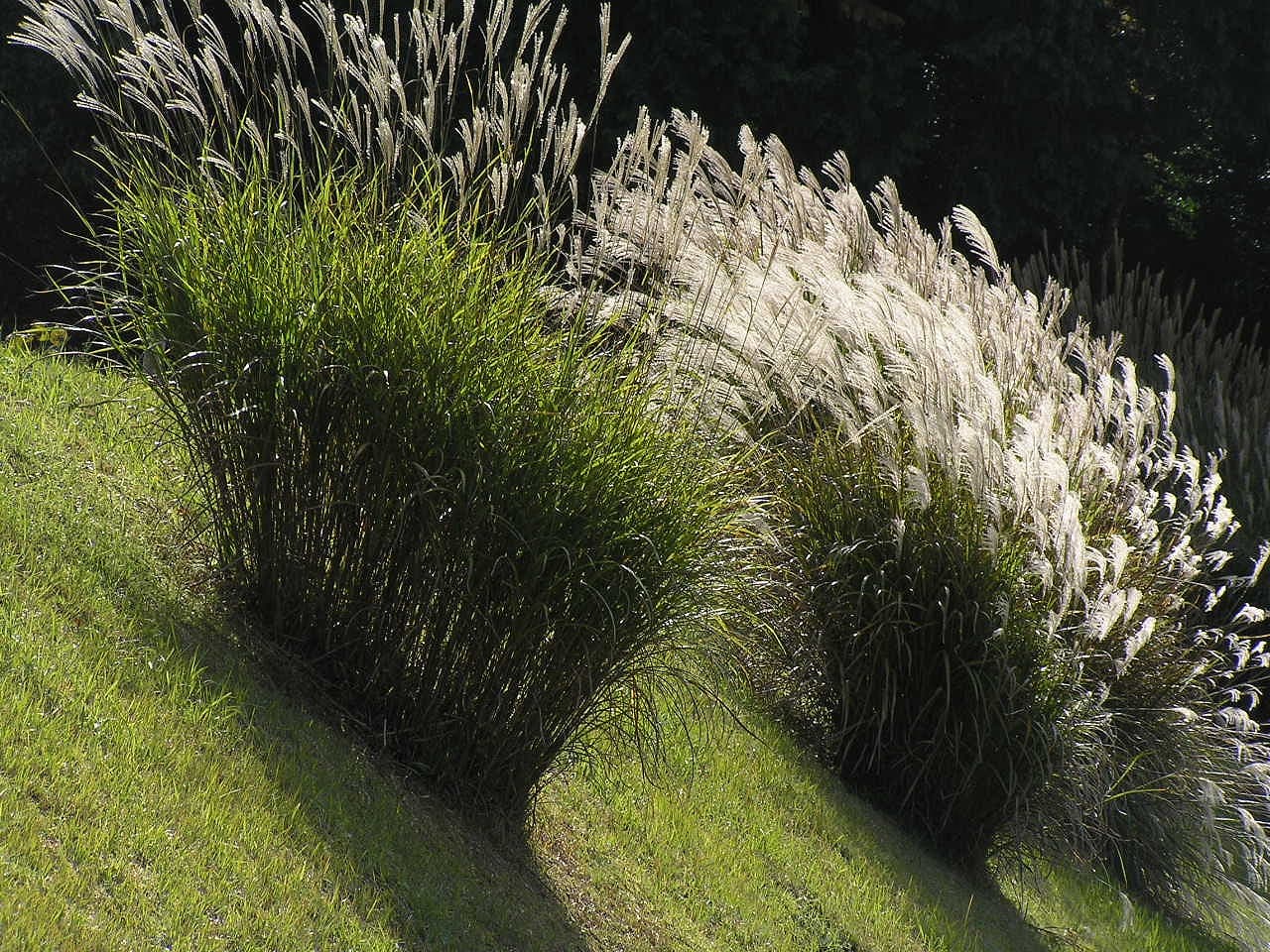
Maiden Grass
Miscanthus sinensis
flowerMaiden grass, also called Chinese silvergrass, is a large, clump-forming ornamental grass that makes a dramatic fountain of arching blades 4 to 12 ft tall topped in late summer and fall by silky, finger-like plumes. The plumes shift to silver and pink tones and, with the bleached winter foliage, give months of structure and movement. It is adaptable and tough, but it spreads by wind-blown seed and forms a stubborn rhizome mass, so it is regulated as invasive in parts of the country and sterile cultivars are the responsible choice.
☀️
Sun
full sun
💧
Water
Every 8 days
🌸
Bloom
~120 days
📊
Difficulty
easy
🌱
Lifecycle
perennial
Comes back every year
↔️
Spacing
4-6 ft apart
⬇️
Planting Depth
Set at the same depth as the nursery pot
🧪
Soil pH
5.5-7.5
Growing Details
Soil Type
Adaptable; clay, loam, or sand
Hardiness Zones
Zones 5 – 9
When to Fertilize
Light feeding in spring if growth is weak
Fertilizer
Balanced; avoid excess nitrogen, which causes flopping
🌱 Growing Guide
Grow maiden grass in full sun, which keeps it upright and free-flowering, in almost any soil from clay to sand; it handles drought, wet ground, and humidity. Give it room, 4 to 6 ft, as clumps get big with age. Cut the old foliage to the ground in late winter or very early spring before new blades emerge. To curb its invasive potential, deadhead the plumes before seed disperses, mulch to suppress seedlings, and prefer reduced-fertility or sterile cultivars. Note the foliage is highly flammable, so keep it out of the defensible space near buildings.
🌼 Have a different variety?Cultivars of the same species usually share the same basic care, and they differ mainly in flower color, height, and bloom form, not in how you grow them. So this guide still applies even if your exact variety isn't the one shown.
Planting Calendar
Sign in to personalize →🌿
Direct sow
Apr 15
🌸
Projected first bloom
Aug 13
JJan
FFeb
MMar
AApr
MMay
JJun
JJul
AAug
SSep
OOct
NNov
DDec
✅ Plant alongside
Good neighbors that attract beneficial insects or deter pests
- Black-eyed Susan: A prairie perennial whose gold flowers contrast with the grass plumes
- Sedum: Upright autumn sedums echo the fall season and share full sun
- Coneflower: A sturdy perennial that pairs with grasses in naturalistic plantings
🛡️ Pest & disease prevention
Proactive ways to stop trouble before it starts. Tap a name with an arrow for its full guide
Worse in wet, poorly drained soil; plant in well-drained ground and choose resistant cultivars such as Little Zebra
Orange pustules on blades in wet weather; thin clumps for airflow and remove affected foliage
Cottony clusters in leaf bases; cut back old growth in spring and conserve natural enemies
🌸 Blooms & cutting
The plumes are excellent for fresh and dried arrangements, so cut them as they emerge, which also removes seed before it can spread. Leave the rest of the grass standing through winter for structure, then cut the whole clump to a few inches in late winter before new growth begins.
🥗 Nutrition & benefits
Maiden grass is an ornamental, not edible. Its value is bold vertical structure, fall plumes, and winter interest in the landscape. Manage it carefully, since it is a regulated or invasive plant in some states; check the warnings on this page and prefer sterile cultivars. Have a different variety? Cultivars of the same species share the same basic care, so this guide still applies even if your exact form is not shown.
For educational and informational purposes only. HomeSown is not medical, health, or other professional advice. Always positively identify any plant before handling or eating it; some plants, and some parts of otherwise-edible plants, are toxic. Consult a qualified professional before consuming or otherwise using any plant, especially if you are pregnant, nursing, taking medication, or have a health condition.