
Carrot Rust Fly
Chamaepsila rosae
A small fly whose maggots tunnel through carrots and other roots, packing the channels with rusty-brown waste that gives the pest its name. The carrots keep growing but become scarred, bitter, and prone to rot, often with no sign of trouble until you pull them.
🔎 How to spot it
The larvae are slender, creamy-yellow, legless maggots about a third of an inch long that tunnel just under the skin and into the root. The adult is a small, shiny black fly with an orange head and yellowish legs. The giveaway is at harvest: roots riddled with narrow tunnels stained and filled with rust-colored mush, and stunted, reddish, or yellowing foliage on badly hit plants.
🥀 Damage it causes
The maggots mine the outer root and bore deeper, lining their tunnels with rusty-brown excrement that scars and discolors carrots, parsnips, celery, and parsley and opens the door to rot. Light damage is just cosmetic surface scarring, but heavy tunneling makes roots bitter, woody, and unusable, especially in carrots left in the ground into fall.
🛡️ Prevent it
Cover the bed with fine insect netting or row cover from sowing to block the low-flying females from laying eggs, sealing the edges to the soil. Time sowings to dodge the main flights, and rotate carrots and other umbellifers away from where they grew the previous year. Thin carrots in the evening and bury or remove the thinnings, since the bruised foliage scent draws egg-laying flies.
🧯 If it is already here
There is no spray that reaches the maggots inside the root, so rely on exclusion and timing, and lift the crop promptly once mature rather than leaving it in infested soil where damage compounds. At harvest, peel away tunneled areas to salvage usable carrot, and remove and destroy all roots and culls in the fall so pupae do not overwinter to start the cycle again.
💡 Good to know
Carrot rust fly females are weak, low-flying, and strongly drawn to the smell of crushed carrot foliage, which is why a sealed knee-high barrier of netting works so well and why careful thinning matters. The pest overwinters as pupae or in left-behind roots, so a clean fall garden and rotation are key to breaking the cycle.
🌱 Plants it attacks
53 plants in the library can be attacked by this pest
 Anise🥕Atomic Red Carrot
 Bengal Tiger Canna
 Blue Fescue🥕Bolero Carrot
 Caraway
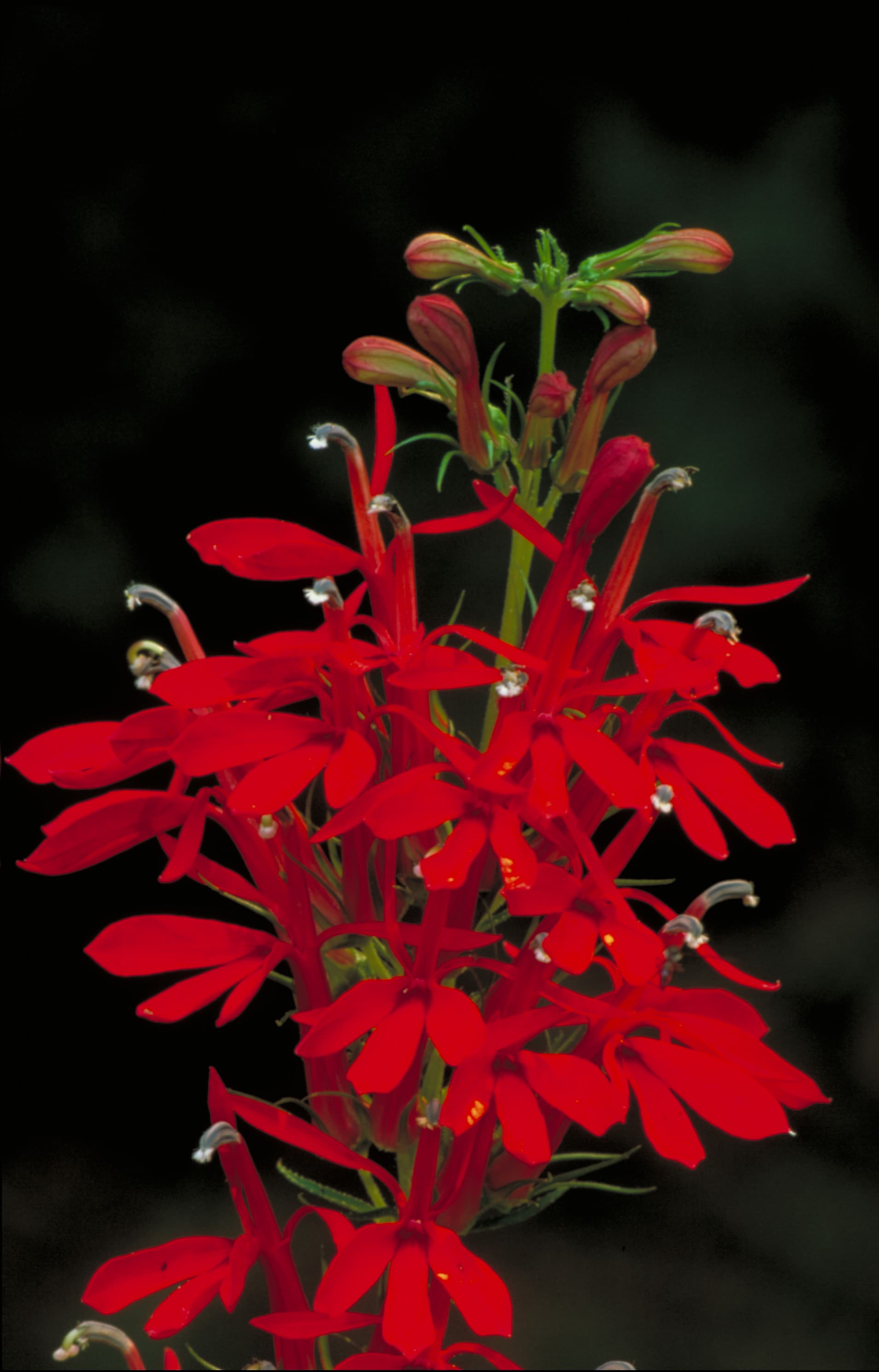 Cardinal Flower
 Carolina Geranium
 Celeriac
 Chantenay Carrot
 Chervil
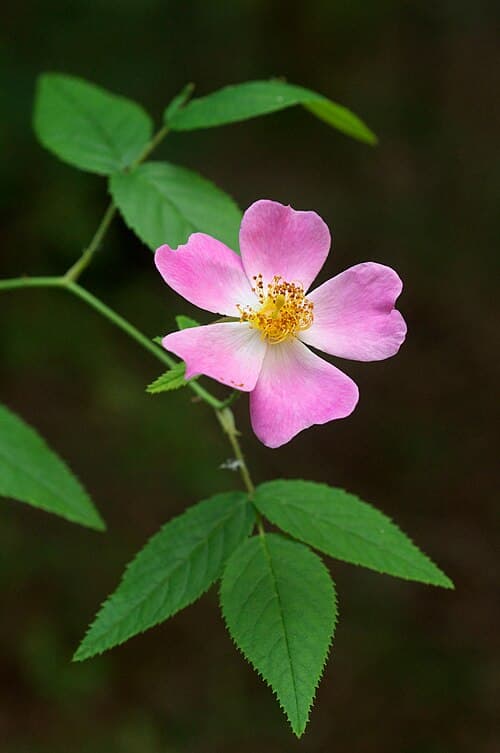 Climbing Prairie Rose
 Common Flax
 Cosmic Purple Carrot
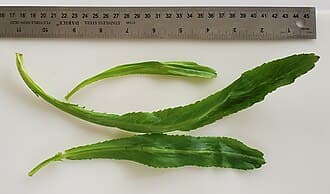 Culantro
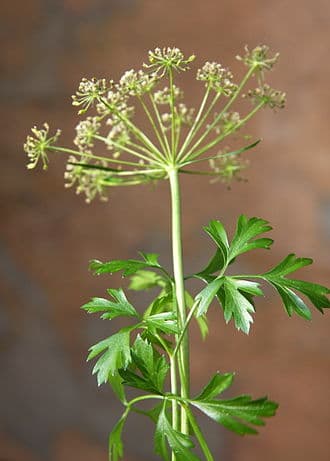 Curly Parsley
 Danvers Carrot
 Dill
Dill Dragon Carrot
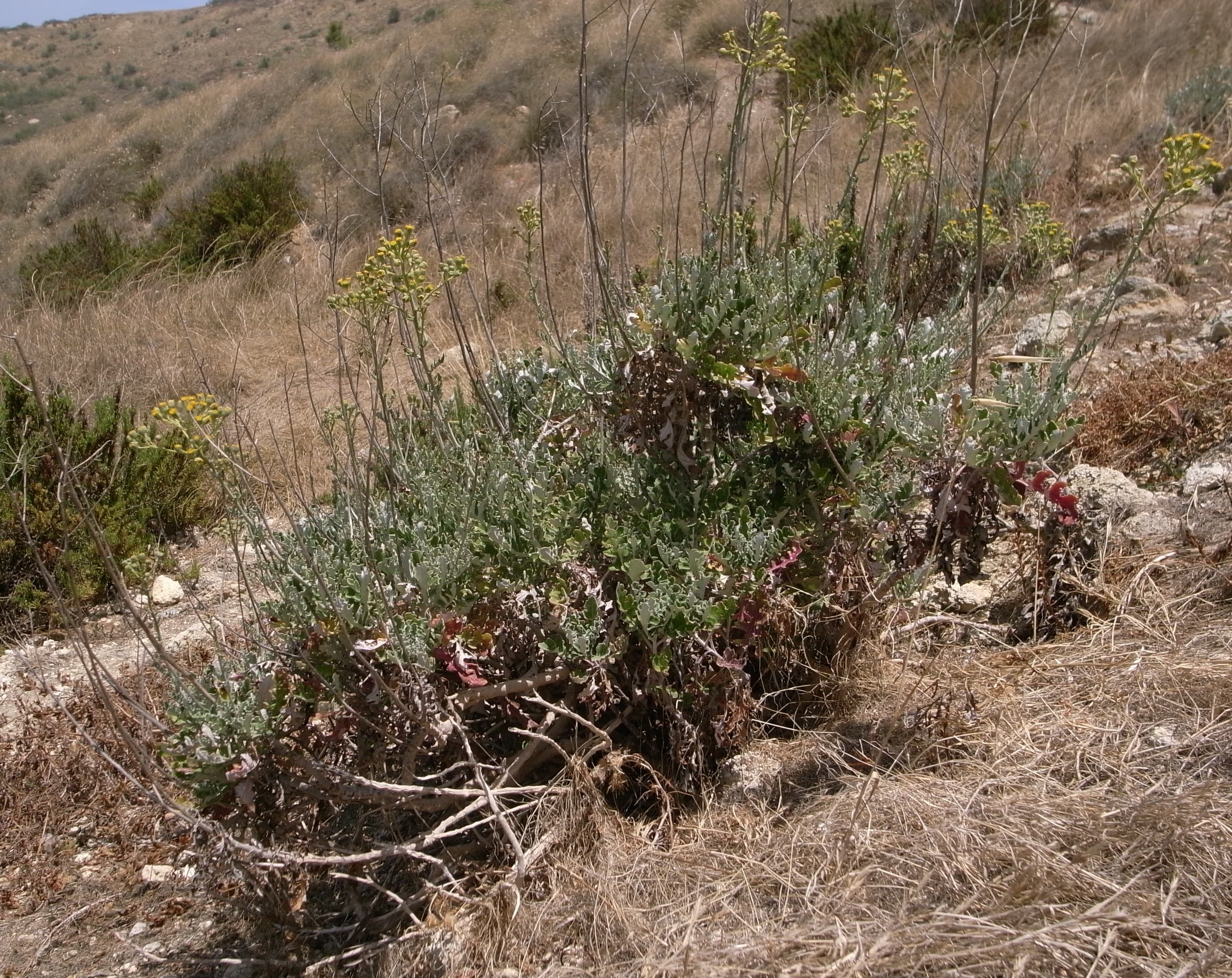 Dusty Miller
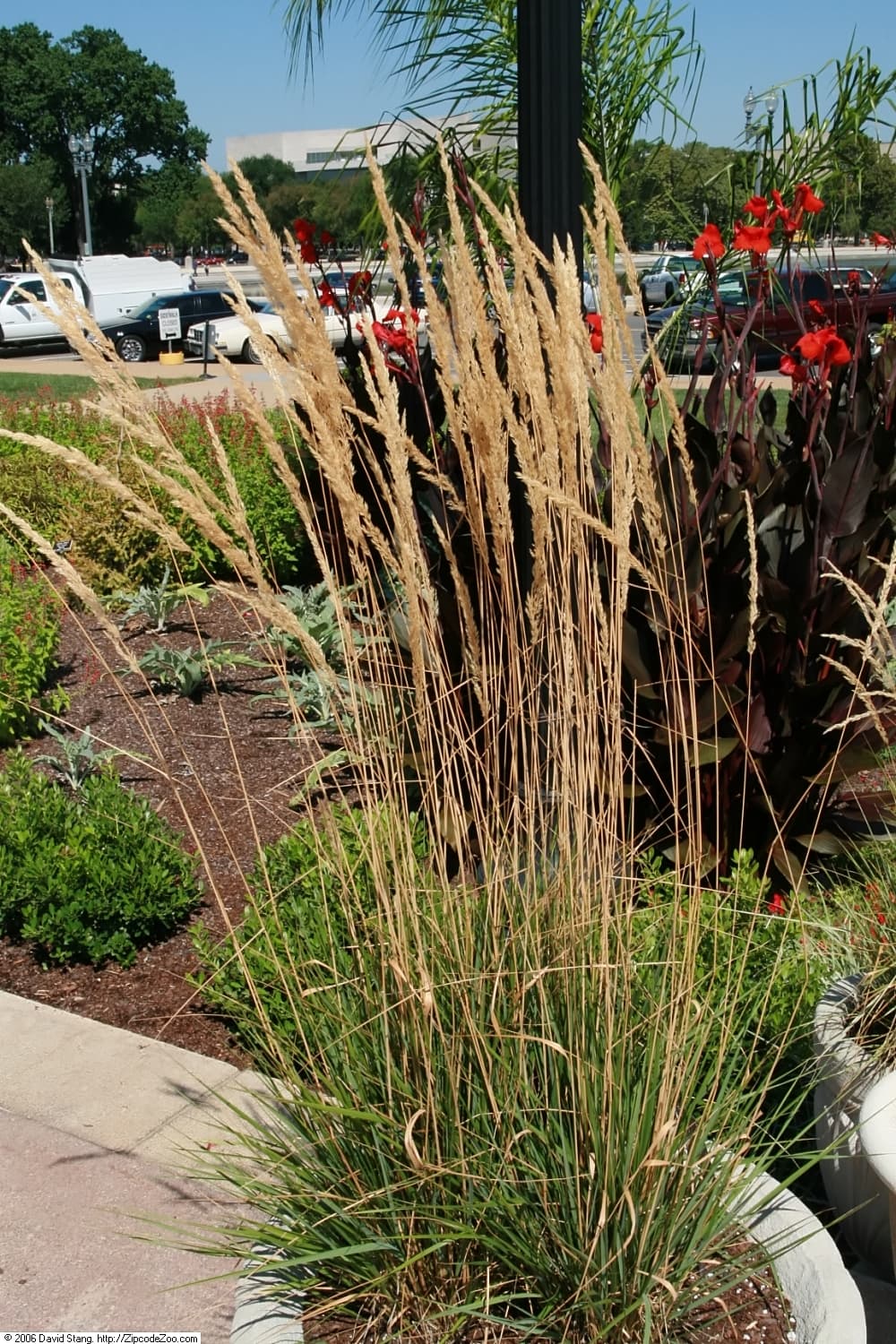 Feather Reed Grass
 Fireworks Goldenrod
 Florence Fennel
 Fountain Grass
 Gaura
Gaura Imperator Carrot
 Italian Flat-Leaf Parsley
 Kobold Blazing Star
 Lovage
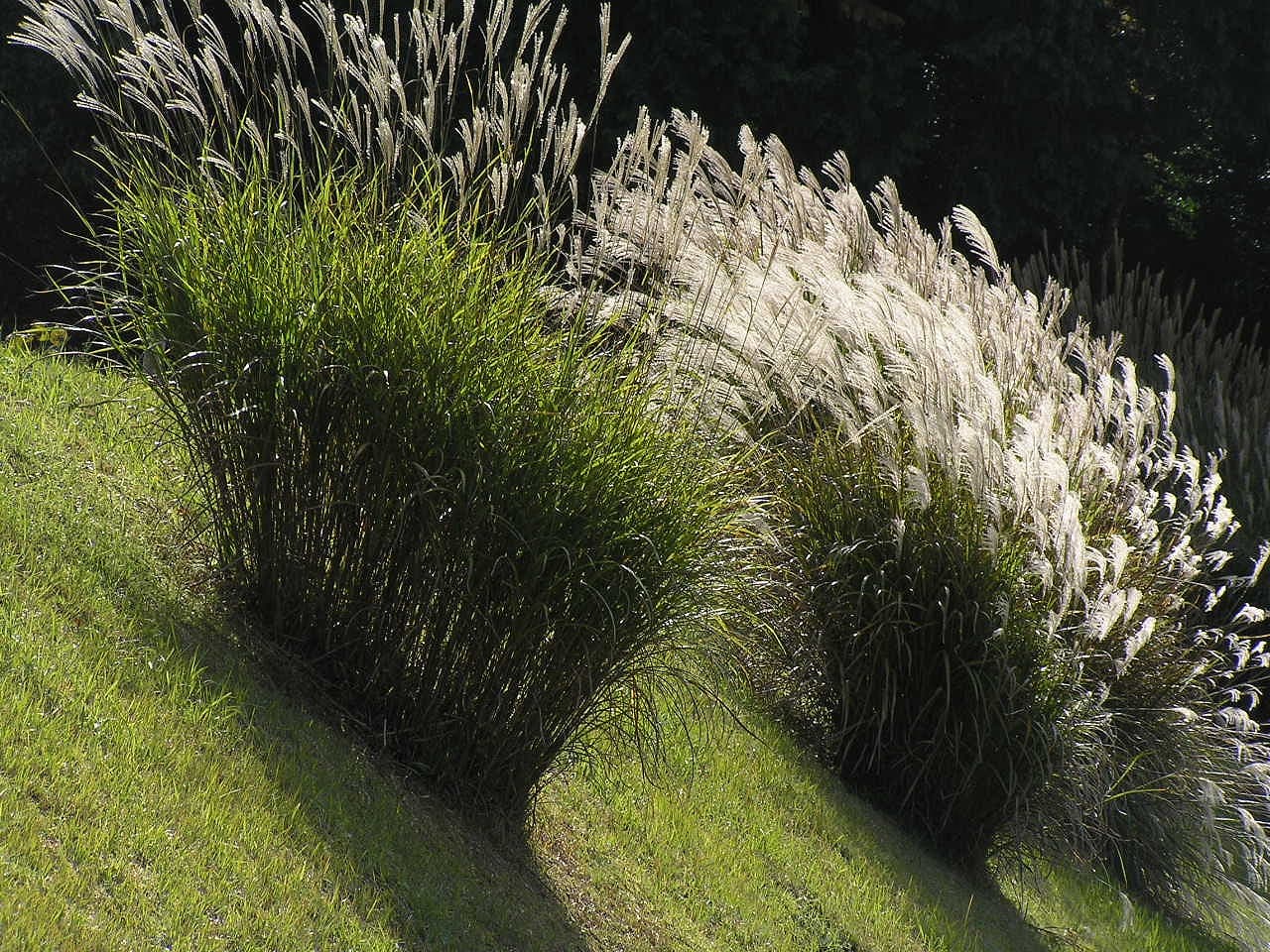 Maiden Grass
 Marshmallow
 Mary Washington Asparagus
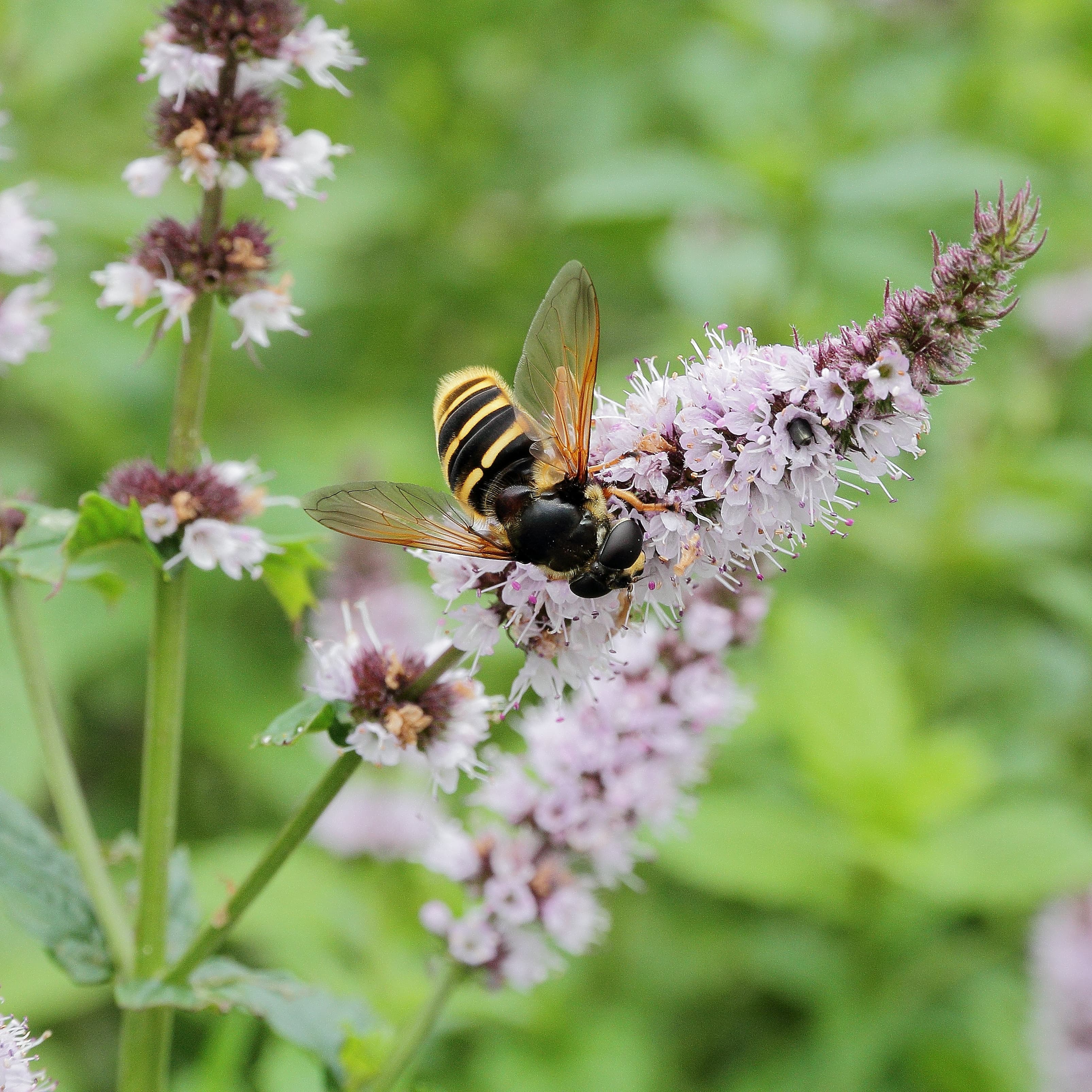 Mojito Mint🥕Mokum Carrot
 Nantes Carrot
 Orange Mint
 Oregon Grape
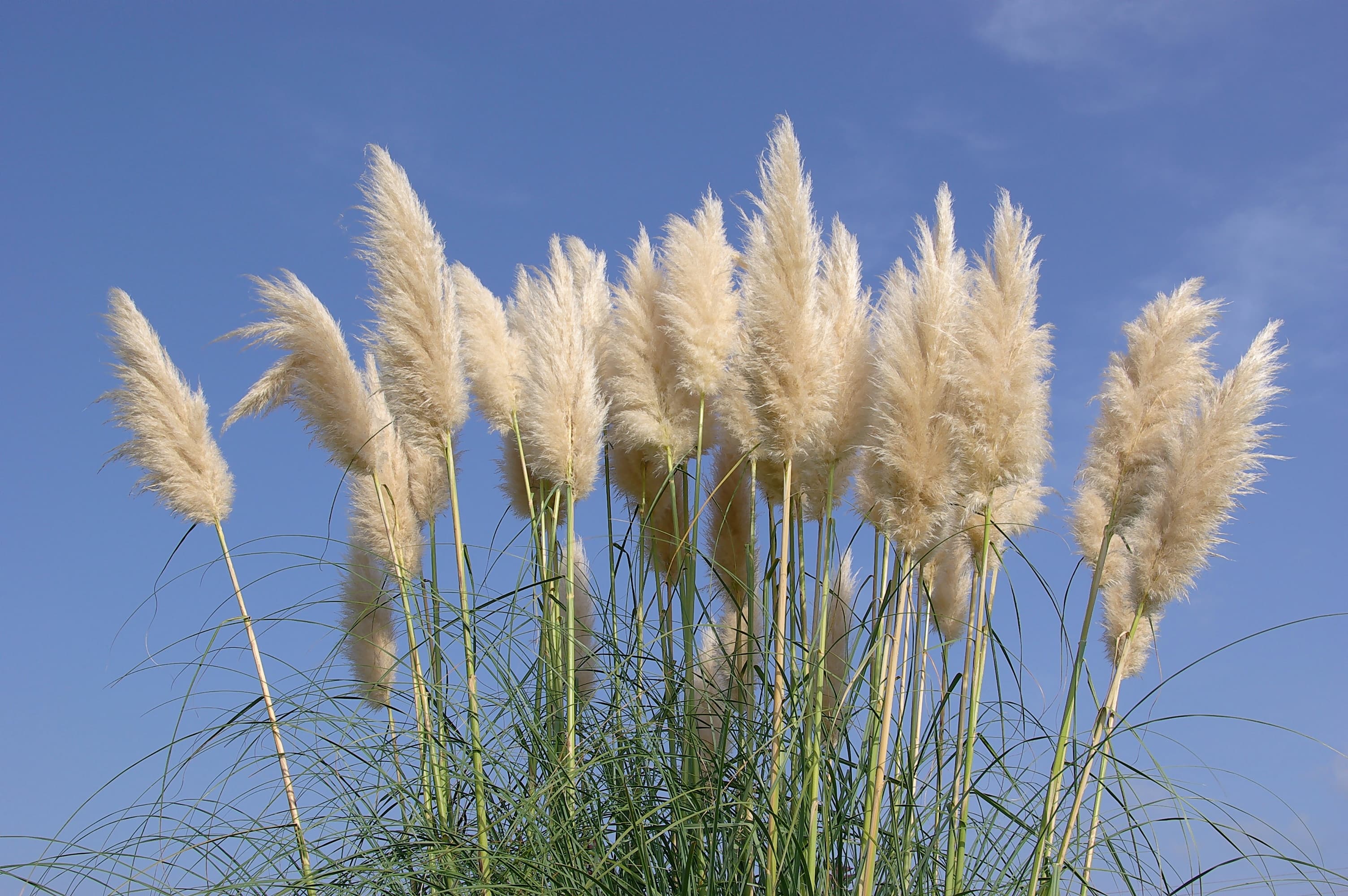 Pampas Grass🥕Paris Market Carrot
 Parsnip
 Pineapple Mint🥕Rainbow Carrot Mix
 Romano Bean
 Salsify
 Slow-Bolt Cilantro
 Snapdragon
 Statice
 Sweet Grass
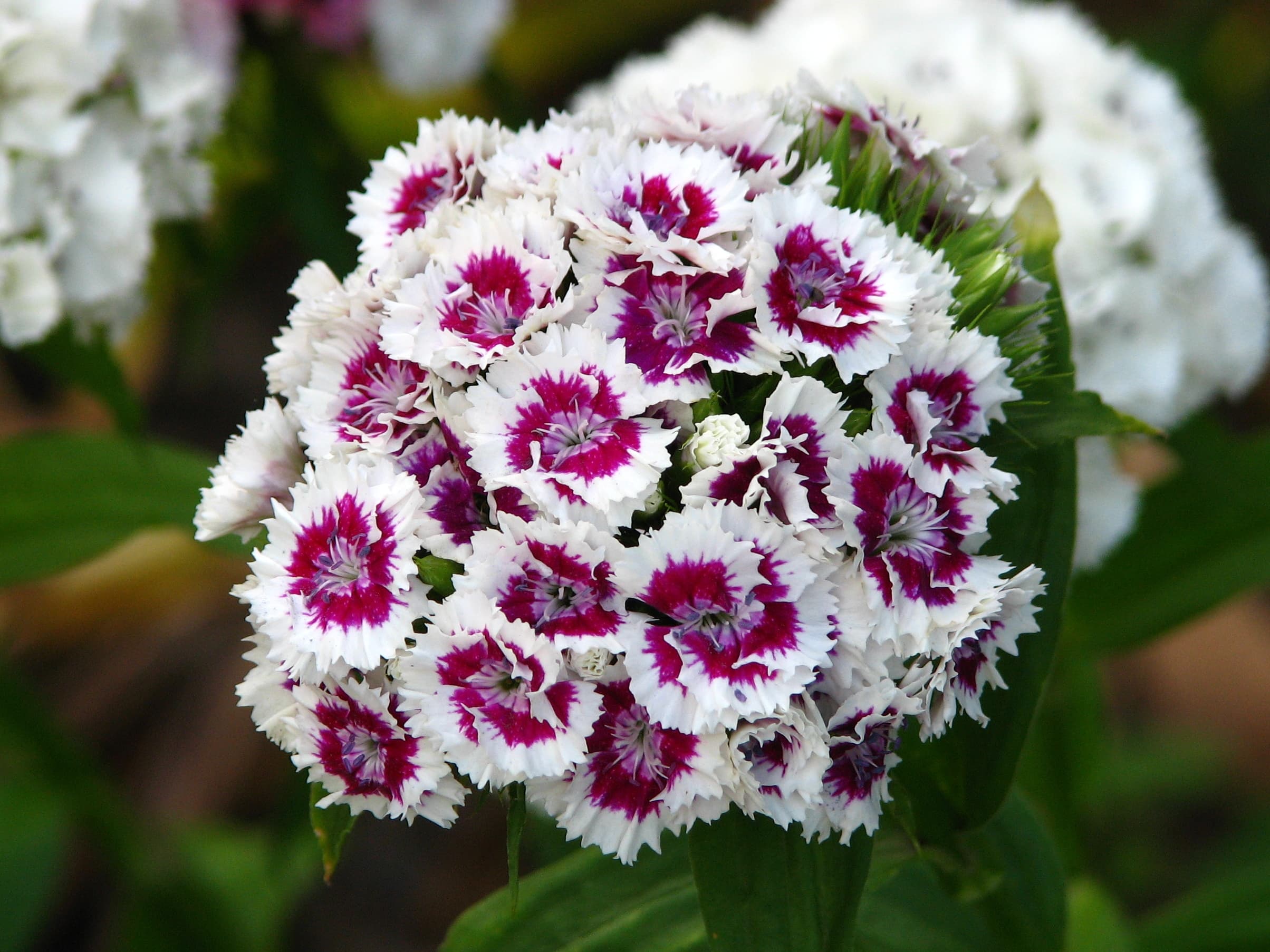 Sweet William
 Switchgrass
 Tall Utah Celery
 Vietnamese Coriander🥕White Satin Carrot
For educational and informational purposes only. Pest control advice is general guidance drawn from university cooperative extension sources; always identify a pest positively and read and follow the label on any product before use, especially around food crops, children, and pets.