Use with caution
All parts of the oriental poppy, including the milky sap, are poisonous if eaten because of the alkaloids the plant contains. It is grown strictly as an ornamental; keep it away from children and pets and do not consume any part.
Oriental Poppy
Papaver orientale
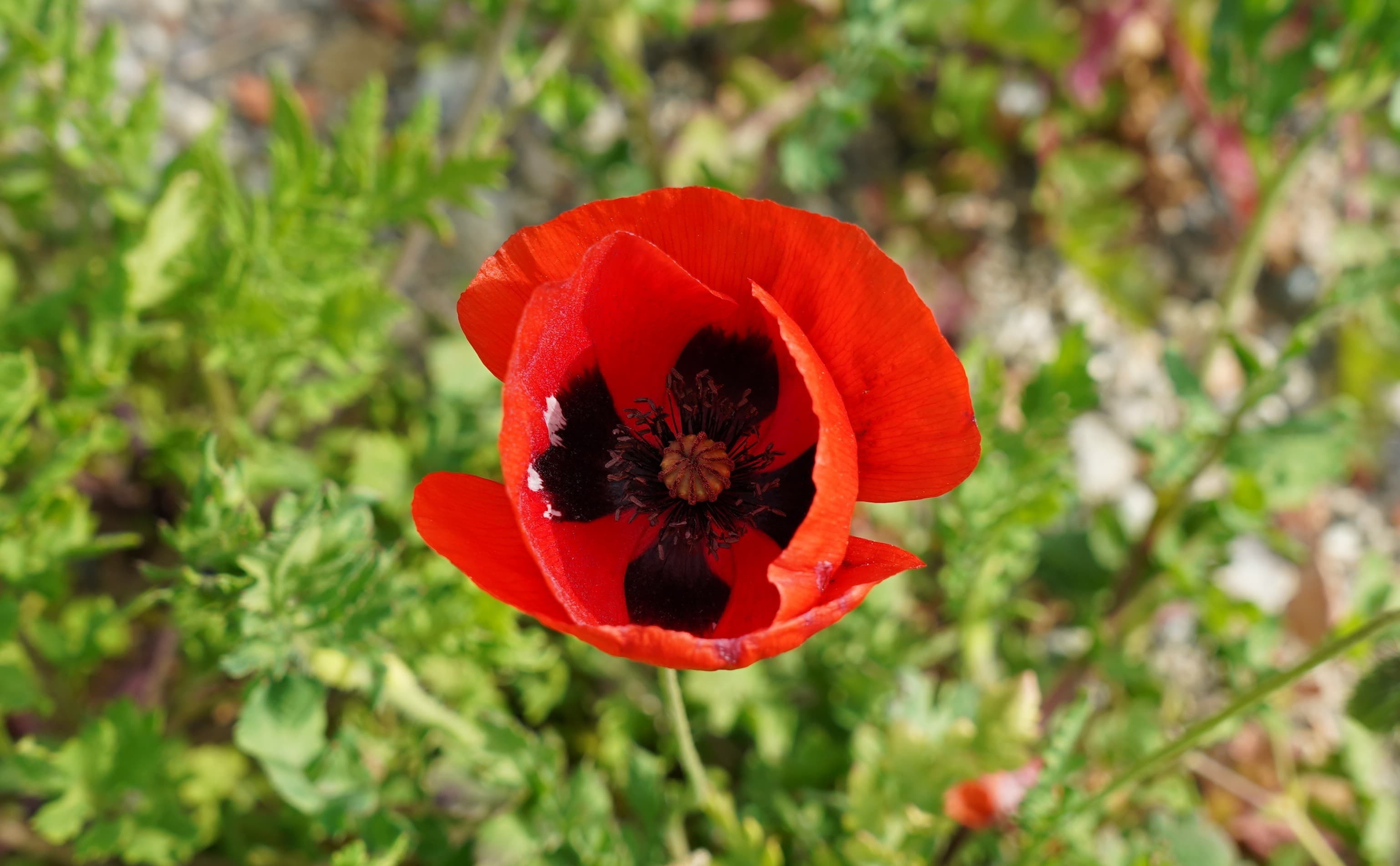
flowerOriental poppy is a bold, cold-climate perennial grown for its spectacular late-spring flowers: enormous cup-shaped blooms 3 to 6 in across in fiery orange, red, pink, purple, or white, each marked with a dramatic black center. Plants grow 2 to 3 ft tall from a clump of coarse, hairy leaves. A key quirk is that the foliage dies back and the plant goes dormant after flowering, with a fresh basal rosette returning in fall, so it is best sited among later perennials that hide the summer gap. It needs real winter cold and dislikes heat and humidity south of zone 7.
☀️
Sun
full sun
💧
Water
Every 8 days
🌸
Bloom
~50 days
📊
Difficulty
medium
🌱
Lifecycle
perennial
Comes back every year
↔️
Spacing
18-24 in apart
⬇️
Planting Depth
Set the crown just at the soil line; do not plant deep
🧪
Soil pH
6.0-7.5
Growing Details
Soil Type
Loamy or sandy, deep, well-drained
Hardiness Zones
Zones 3 – 7
When to Fertilize
Light feeding in early spring as growth resumes
Fertilizer
Balanced or compost; low needs
🌱 Growing Guide
Plant oriental poppy in full sun in deep, well-drained loamy or sandy soil; it rots in wet ground and does poorly in hot, muggy climates. Set the crown just at the soil line, as it resents deep planting, and choose its spot carefully because established plants have deep, brittle roots that make moving them hard. It is drought tolerant once settled. Do not overwater. After bloom, let the plant go dormant naturally and interplant with bushy perennials to fill the space. Propagate from root cuttings, since seed may not come true to color.
🌼 Have a different variety?Cultivars of the same species usually share the same basic care, and they differ mainly in flower color, height, and bloom form, not in how you grow them. So this guide still applies even if your exact variety isn't the one shown.
Planting Calendar
Sign in to personalize →🌿
Direct sow
Apr 15
🌸
Projected first bloom
Jun 4
JJan
FFeb
MMar
AApr
MMay
JJun
JJul
AAug
SSep
OOct
NNov
DDec
✅ Plant alongside
Good neighbors that attract beneficial insects or deter pests
- Catmint: A billowing perennial that fills the gap when the poppy goes summer-dormant
- Baby Breath: Its airy growth hides the dying poppy foliage after bloom
- Daylily: Leafs out and flowers later to cover the poppy dormancy period
🛡️ Pest & disease prevention
Proactive ways to stop trouble before it starts. Tap a name with an arrow for its full guide
The main risk, from wet or poorly drained soil; plant in sharp drainage and do not overwater
Cluster on buds and new growth; hose off and conserve natural enemies
White film in humid conditions; give airflow and avoid overhead watering
🌸 Blooms & cutting
Oriental poppy makes a dramatic cut flower if harvested just as the buds crack open; searing the cut stem ends in boiling water or with a flame helps them last in the vase. In the garden, leave the foliage to die back naturally after bloom rather than cutting it green, as the plant needs that time before going dormant.
🥗 Nutrition & benefits
Oriental poppy is an ornamental, not edible, and all parts are poisonous. Its value is some of the largest, most flamboyant flowers in the late-spring perennial border, plus pollen for bees. Have a different variety? Cultivars of the same species share the same basic care, so this guide still applies even if your exact color is not shown.
⚠️ Toxicity & safety
All parts of the oriental poppy, including the milky sap, are poisonous if eaten because of the alkaloids the plant contains. It is grown strictly as an ornamental; keep it away from children and pets and do not consume any part.
For educational and informational purposes only. HomeSown is not medical, health, or other professional advice. Always positively identify any plant before handling or eating it; some plants, and some parts of otherwise-edible plants, are toxic. Consult a qualified professional before consuming or otherwise using any plant, especially if you are pregnant, nursing, taking medication, or have a health condition.