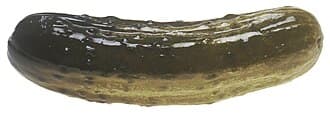
Pickling Cucumber
Cucumis sativus 'National Pickling'
vegetableThe go-to cucumber for home pickles. Short blocky fruits 3 to 4 inches long with thin warty skin, crisp flesh, and very low moisture, exactly what keeps pickles crunchy. Prolific, quick to mature, and much better-tasting fresh than the name suggests.
☀️
Sun
full sun
💧
Water
Every 2 days
🌾
Harvest
~55 days
📊
Difficulty
easy
🌱
Lifecycle
annual
One season, then done
↔️
Spacing
12-18 in (trellised) or 24-36 in (sprawling)
⬇️
Planting Depth
1/2-1 in
🧪
Soil pH
6.0-7.0
Growing Details
Soil Type
Rich, well-draining
Hardiness Zones
Zones 3 – 10
Grown as an annual. This range is its winter hardiness, but you can grow it for a single season in any zone.
When to Fertilize
At planting; side-dress with compost when vines start to run
Fertilizer
Balanced fertilizer or compost; avoid high nitrogen after vines set
🌱 Growing Guide
Direct sow after last frost when soil is above 60 F, or start indoors 3 weeks early and transplant carefully. Provide a trellis or let vines sprawl on clean mulch. Pick every 2 days at 3 to 4 inches; overripe cucumbers turn yellow and signal the plant to stop producing. Keep well-watered to prevent bitterness. Mulch to retain moisture and prevent soil splash that spreads disease.
Planting Calendar
Sign in to personalize →🌱
Start seeds indoors
Mar 25
🌿
Transplant outdoors
Apr 29
🌾
Projected first harvest
Jun 23
JJan
FFeb
MMar
AApr
MMay
JJun
JJul
AAug
SSep
OOct
NNov
DDec
✅ Plant alongside
Good neighbors that attract beneficial insects or deter pests
- Radish: Deters cucumber beetles
- Nasturtium: Trap crop for aphids away from cucumbers
- Corn: Provides light afternoon shade in hot climates
- Dill: Attracts beneficial insects; do not plant near dill flowering stage
❌ Keep away from
PotatoSage
🛡️ Pest & disease prevention
Proactive ways to stop trouble before it starts. Tap a name with an arrow for its full guide
Row cover until flowering; yellow sticky traps; kaolin clay on leaves
Not a major threat to cucumbers; monitor for look-alike damage
Ensure good airflow; apply neem oil or potassium bicarbonate at first sign
Water spray; introduce lacewings; reflective mulch deters arrivals
🌾 Harvest & storage
Pick at 3 to 4 inches for best pickle texture. Larger fruits become seedy and softer. Pick daily once the season peaks. Use within 2 days for freshest pickles, or refrigerate up to 1 week.
🥗 Nutrition & benefits
Low-calorie and hydrating. Good source of vitamin K and small amounts of potassium. Pickling liquid adds sodium; fresh cucumbers are very low in sodium.
For educational and informational purposes only. HomeSown is not medical, health, or other professional advice. Always positively identify any plant before handling or eating it; some plants, and some parts of otherwise-edible plants, are toxic. Consult a qualified professional before consuming or otherwise using any plant, especially if you are pregnant, nursing, taking medication, or have a health condition.