
Squash Vine Borer
Melittia cucurbitae
The hidden killer of squash and pumpkins: a fat white caterpillar bores into the base of the stem and feeds inside it, so the first you usually know of it is a healthy vine that suddenly wilts and collapses. A wasp-like, day-flying moth lays the eggs at the stem base in early summer.
🔎 How to spot it
The larva is a wrinkled, white to cream caterpillar with a brown head, up to about an inch long, found inside the stem. You rarely see it; instead you see its calling cards: sudden wilting of a vine, a hole near the base of the stem, and piles of moist, sawdust-like frass spilling out of that hole. The adult is a striking day-flying moth that mimics a wasp, about half an inch long, with an orange-and-black abdomen, metallic green forewings, and clear hind wings.
🥀 Damage it causes
The caterpillar tunnels through the center of the main stem, cutting off the flow of water and nutrients, so the vine wilts and often dies outright. Damage hits hardest on squash and pumpkins, especially zucchini and other Cucurbita, while butternut and other solid-stemmed varieties resist it better. A single borer can kill a plant.
🛡️ Prevent it
Watch for the moths in early summer and cover plants with row cover from planting until they bloom, removing it for pollination. Wrap the lower stem with strips of foil or nylon, or mound soil over the vine at the leaf joints so it can root at several points and survive an attack. Destroy old vines right after harvest to kill the larvae inside, and rotate cucurbits and till the bed to bury overwintering pupae.
🧯 If it is already here
If a vine wilts and you find frass at a hole, do surgery: slit the stem lengthwise at the hole with a sharp knife, pick out the borer (there may be several), then mound moist soil over the cut so the stem can re-root. Catch it early, before the larva is large. Pull and destroy plants that are too far gone so the borer does not mature and overwinter.
💡 Good to know
Squash vine borer overwinters as a pupa in the soil and emerges as the wasp-mimic moth in early summer, with one generation in the north and sometimes two in the south. Because the damage is done from inside the stem, prevention and early detection matter far more than sprays, which cannot reach the larva once it is in.
🌱 Plants it attacks
45 plants in the library can be attacked by this pest
 Acorn Squash
 Armenian Cucumber
 Atlantic Giant Pumpkin
 Bitter Melon
 Black Beauty Zucchini🍉Black Diamond Watermelon🥒Boston Pickling Cucumber
 Bottle Gourd
 Buttercup Squash
 Butternut Squash
 Cantaloupe
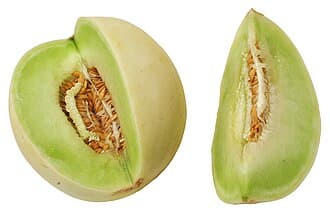 Casaba Melon
 Charleston Gray Watermelon
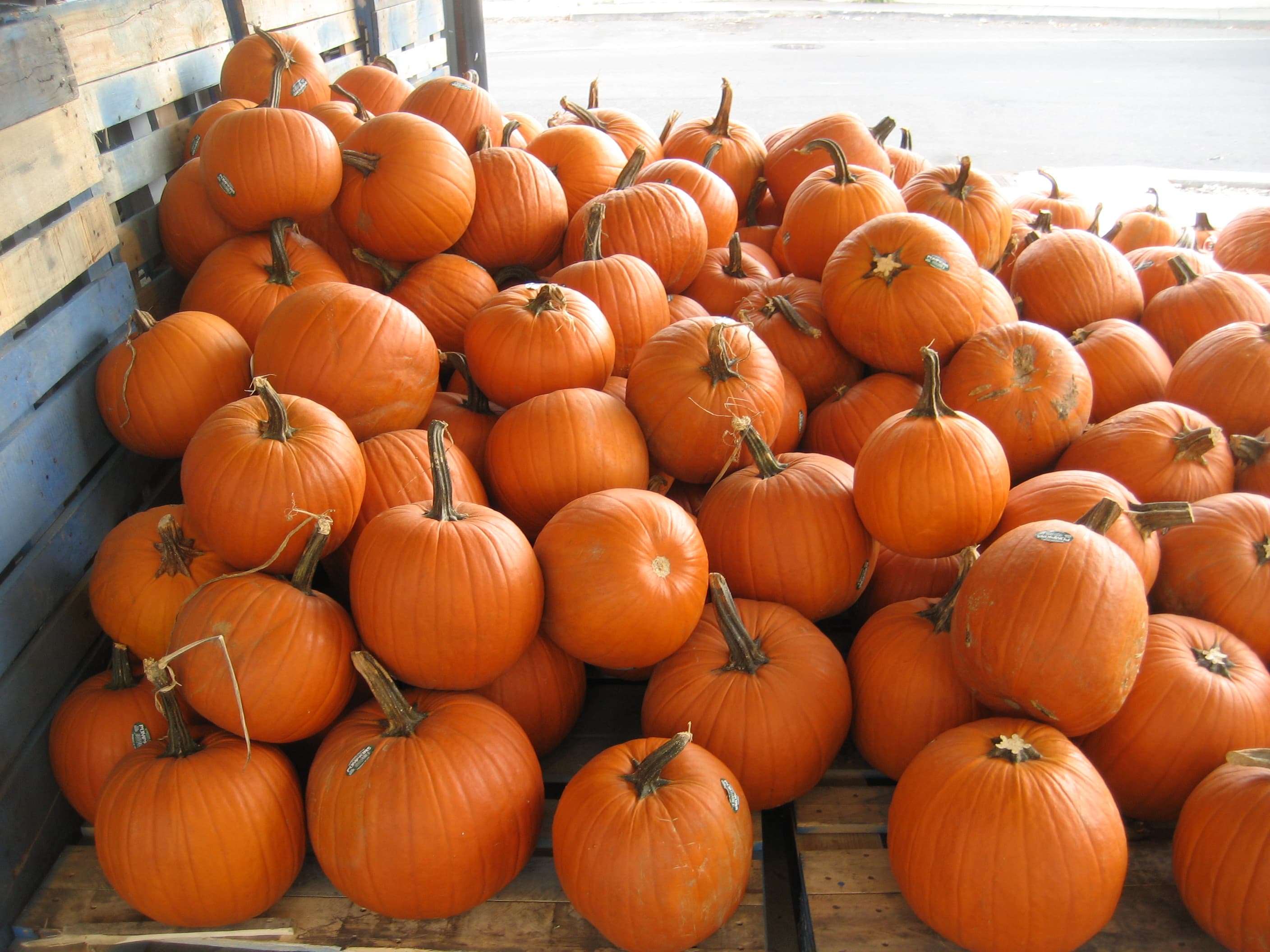 Cinderella Pumpkin
 Costata Romanesco Zucchini
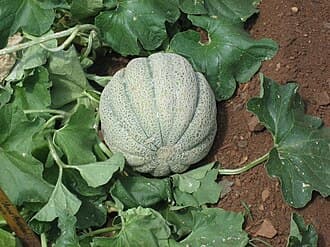 Crenshaw Melon
 Crimson Sweet Watermelon
 Delicata Squash🥒Diva Cucumber
 Elberta Peach🥒English Cucumber
 Galia Melon
 Honeydew Melon
 Hubbard Squash
 Jack-O-Lantern Pumpkin🍉Jubilee Watermelon
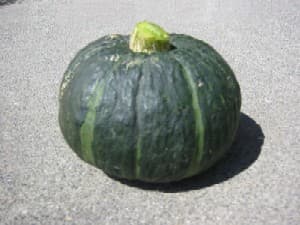 Kabocha Squash
 Kirby Cucumber
 Lemon Cucumber
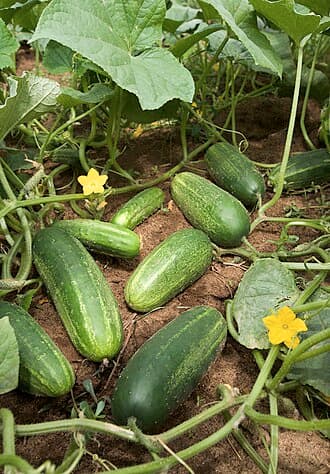 Marketmore Cucumber🍉Mini Love Watermelon🍉Moon and Stars Watermelon🍉Orangeglo Watermelon
 Pattypan Squash
 Persian Cucumber
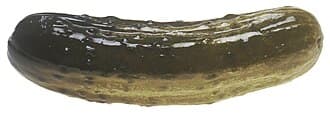 Pickling Cucumber
 Spaghetti Squash
 Sugar Baby Watermelon🎃Sugar Pie Pumpkin
 Suyo Long Cucumber
 Tromboncino Squash
 Winter Melon
 Yellow Crookneck Squash🍉Yellow Doll Watermelon
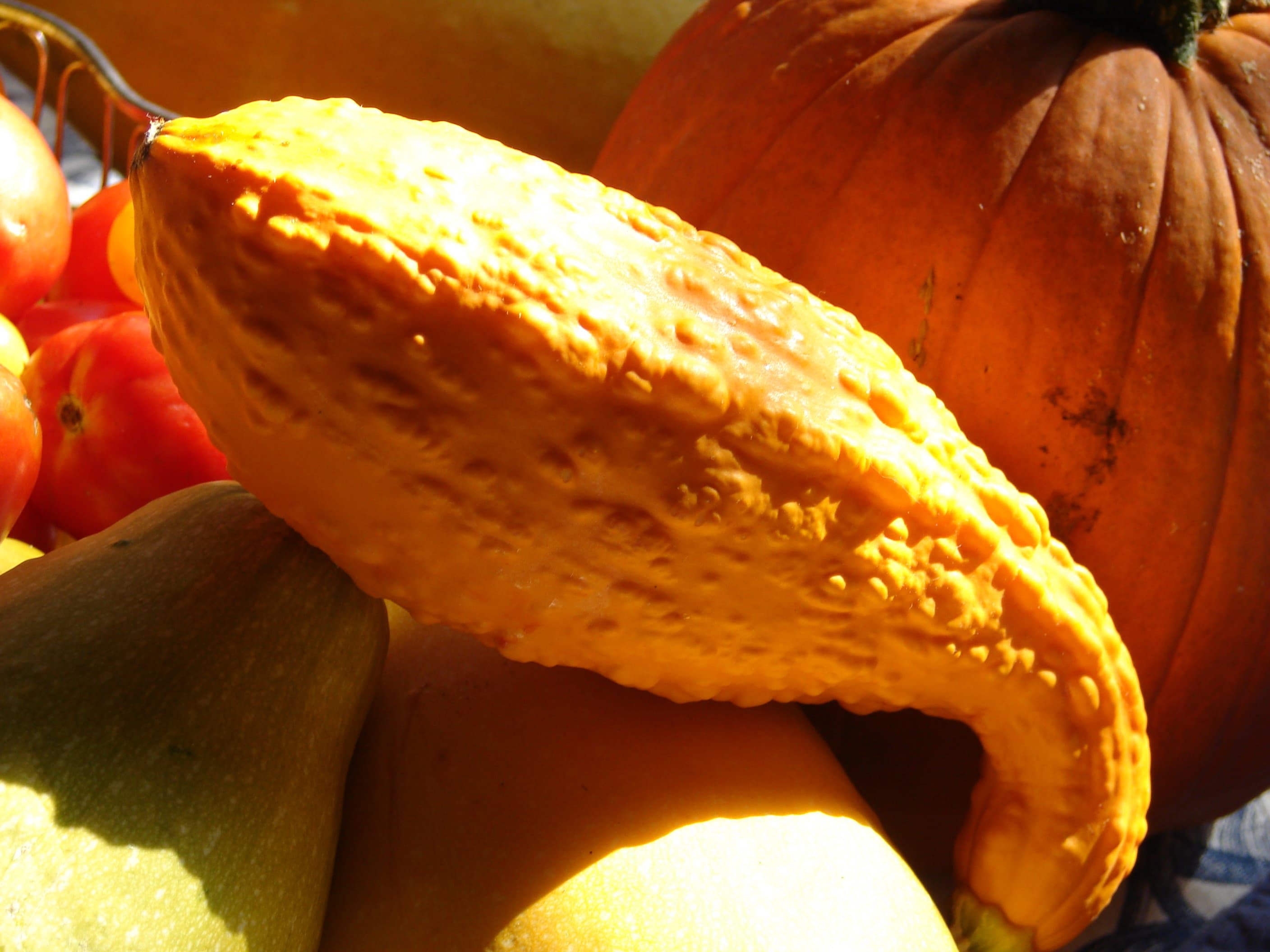 Yellow Summer Squash
For educational and informational purposes only. Pest control advice is general guidance drawn from university cooperative extension sources; always identify a pest positively and read and follow the label on any product before use, especially around food crops, children, and pets.