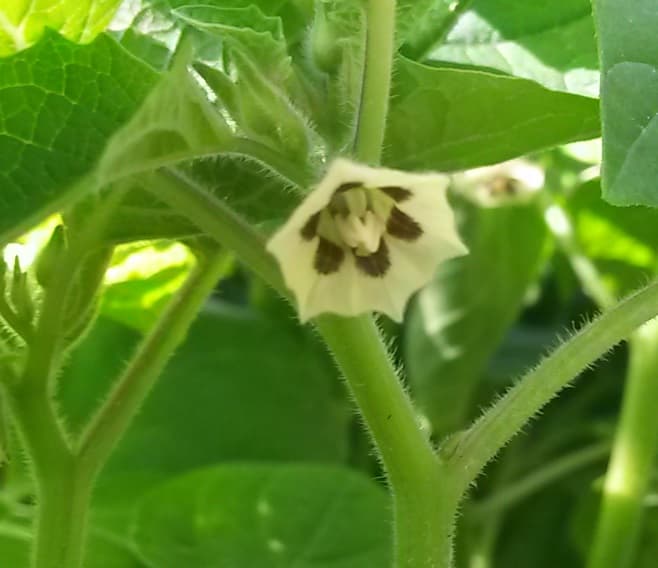
Purple Tomatillo
Physalis philadelphica 'Purple'
vegetablePurple Tomatillo is the small purple-fleshed husk tomato (Physalis philadelphica) with a sweet-tart flavor more fruit-like than the standard green tomatillo. The 1 to 2 inch deep purple fruits hide inside papery tan husks; the slight sweetness and lower acidity make Purple Tomatillo perfect for jams, preserves, and salsas where a balanced flavor matters.
☀️
Sun
full sun
💧
Water
Every 3 days
🌾
Harvest
~75 days
📊
Difficulty
easy
🌱
Lifecycle
annual
One season, then done
↔️
Spacing
24-36 in in row, 36-48 in between rows
⬇️
Planting Depth
Set transplants slightly deeper than nursery soil line
🧪
Soil pH
6.0-7.0
Growing Details
Soil Type
Rich, well-draining
Hardiness Zones
Zones 3 – 10
Grown as an annual. This range is its winter hardiness, but you can grow it for a single season in any zone.
When to Fertilize
Pre-plant; side-dress at first flower
Fertilizer
10-10-10 or compost; tomatillos are moderate feeders
🌱 Growing Guide
Start seeds indoors 6 to 8 weeks before the last frost. Transplant after frost danger passes, 24 to 36 in apart in full sun. Tomatillos are not strongly self-pollinating, so plant at least 2 (ideally 3+) plants to ensure fruit set. The vines reach 3 to 4 ft tall and wide and benefit from light caging. Tomatillos are forgiving heat-lovers but need consistent water for clean fruit production.
Planting Calendar
Sign in to personalize →🌱
Start seeds indoors
Mar 4
🌿
Transplant outdoors
Apr 29
🌾
Projected first harvest
Jul 13
JJan
FFeb
MMar
AApr
MMay
JJun
JJul
AAug
SSep
OOct
NNov
DDec
✅ Plant alongside
Good neighbors that attract beneficial insects or deter pests
- Tomatoes: Same family and similar care; pollinators move between flowers
- Basil: Repels aphids and pairs in Mexican-inspired beds
- Cilantro: Used together in salsas; cilantro flowers attract beneficial wasps
- Marigolds: Suppress nematodes in the root zone
❌ Keep away from
Fennel
🛡️ Pest & disease prevention
Proactive ways to stop trouble before it starts. Tap a name with an arrow for its full guide
Hand-pick yellow-and-black-striped adults and crush larvae
Blast with water, encourage ladybugs, avoid heavy nitrogen
Wrap stems with cardboard collars at transplant
Wash hands and tools before handling plants; never smoke around tomatillos; remove infected plants
🌾 Harvest & storage
Purple Tomatillo is ready 70 to 90 days from transplant. Harvest when the husks turn light brown and start to split and the fruit inside turns deep purple; do not wait until the fruit splits the husk on its own. Peel off the papery husk and rinse the slightly sticky coating before use. The flavor is sweeter and less acidic than green tomatillos, so it works beautifully in jams, preserves, and chunky salsas.
🥗 Nutrition & benefits
About 32 calories per 100 g raw with 1.9 g fiber, 11.7 mg vitamin C, and 268 mg potassium. The purple skin adds anthocyanin pigments not found in green tomatillos, and the tart flavor balances the natural fruit sugars beautifully in cooked applications.
⚠️ Toxicity & safety
Eat the ripe fruit only, with the husk removed. The leaves and very underripe fruit contain solanine-type compounds and should not be eaten.
For educational and informational purposes only. HomeSown is not medical, health, or other professional advice. Always positively identify any plant before handling or eating it; some plants, and some parts of otherwise-edible plants, are toxic. Consult a qualified professional before consuming or otherwise using any plant, especially if you are pregnant, nursing, taking medication, or have a health condition.