
Mosaic Virus
Tobacco mosaic virus, Cucumber mosaic virus, and related viruses
A group of plant viruses that mottle leaves with patches of light and dark green and stunt and distort growth. Mosaic viruses hit tomatoes, peppers, cucumbers, squash, and many other crops and flowers. There is no cure, so the whole strategy is keeping the virus out and removing infected plants before it spreads.
🔎 How to spot it
Look for a mottled, mosaic pattern of light and dark green, or green and yellow, on the leaves, often clearest on young growth. Leaves may be puckered, curled, narrowed into a shoestring or fernlike shape, or stunted, and plants are frequently bushy, stunted, and pale. Fruit may be mottled, distorted, or sparse. Symptoms can resemble herbicide injury or nutrient problems.
🥀 Damage it causes
Infected plants are stunted and unproductive, with greatly reduced and often misshapen fruit. The virus stays in the plant for life, dragging down its yield all season, and infected plants act as a reservoir that insects and handling can spread to healthy neighbors.
🔬 What causes it
Mosaic symptoms are caused by several viruses, including tobacco mosaic virus and cucumber mosaic virus. Some spread by sap on hands, tools, and clothing, and by tobacco products, while others are carried plant to plant by aphids and cucumber beetles. Several persist in perennial weeds, in seed, and on debris, and can enter on infected transplants.
🛡️ Prevent it
Buy certified virus-free seed and transplants and choose resistant varieties, marked in catalogs with codes such as TMV or ToMV. Control aphids, cucumber beetles, and weeds that harbor the viruses, and consider floating row cover on young plants. Wash hands and tools, do not use tobacco around plants, and do not work among plants when they are wet.
🧯 If it is already here
There is no cure for a virus-infected plant, so promptly pull and bag suspected plants to stop the spread, and do not compost them. Disinfect hands and any tools that touched them. Remove nearby weed reservoirs and keep insect vectors in check on the remaining plants. Replant resistant varieties and rotate to break the cycle.
💡 Good to know
Mosaic viruses are easy to confuse with herbicide drift, nutrient deficiency, or feeding injury, so look for the telltale mottling and distortion on new growth before pulling plants. Tobacco mosaic virus is unusually tough and can survive in dried debris and cured tobacco, which is why smokers are advised to wash up before handling tomatoes and peppers.
🌱 Plants it affects
714 plants in the library can be affected by this problem
 Acorn Squash
 Adirondack Blue Potato
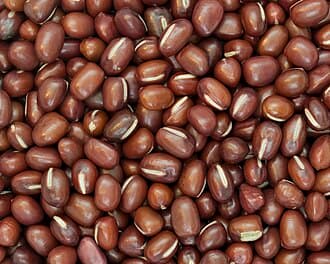 Adzuki Bean
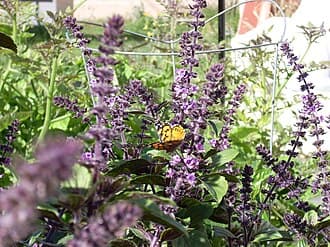 African Blue Basil
 African Marigold
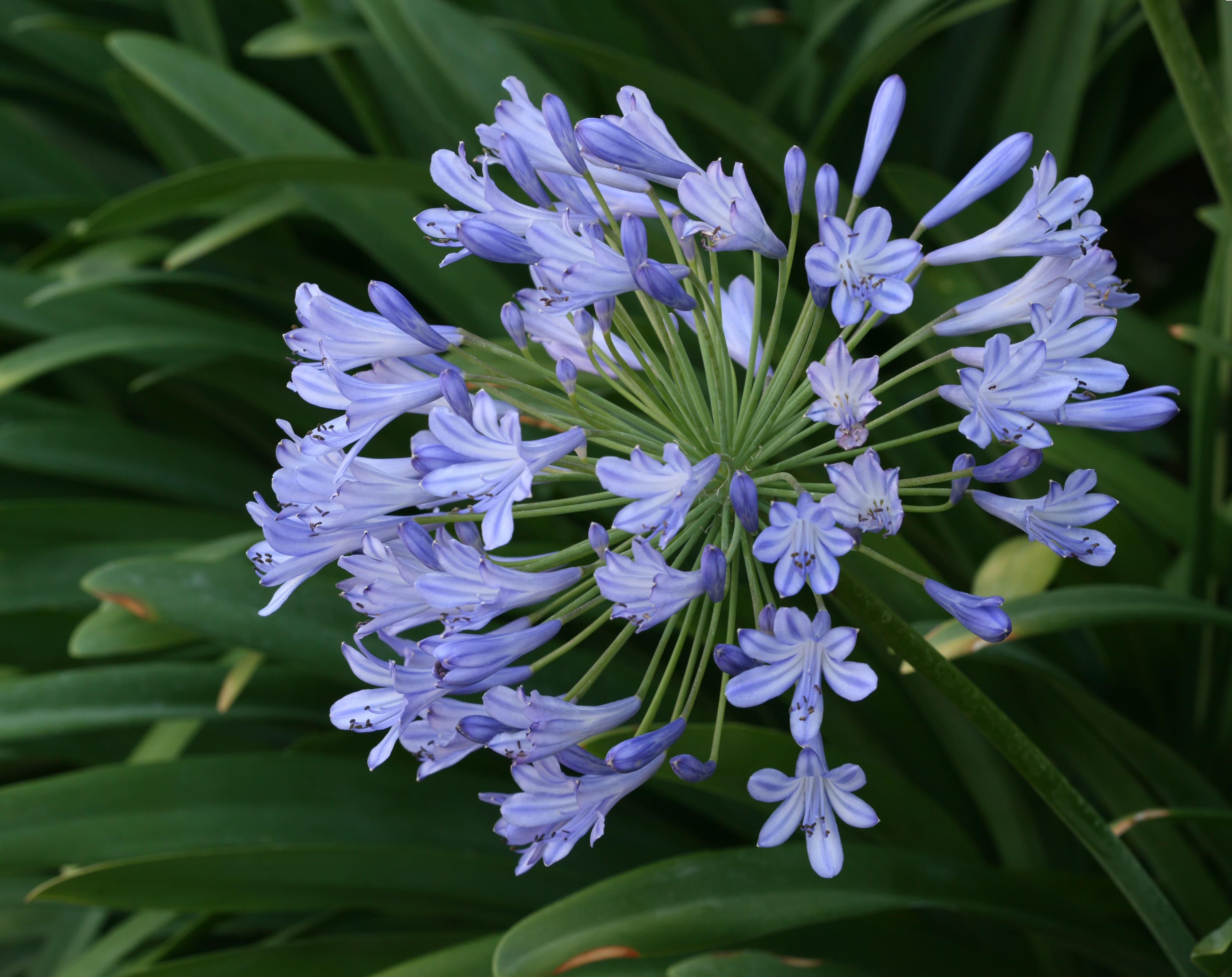 Agapanthus
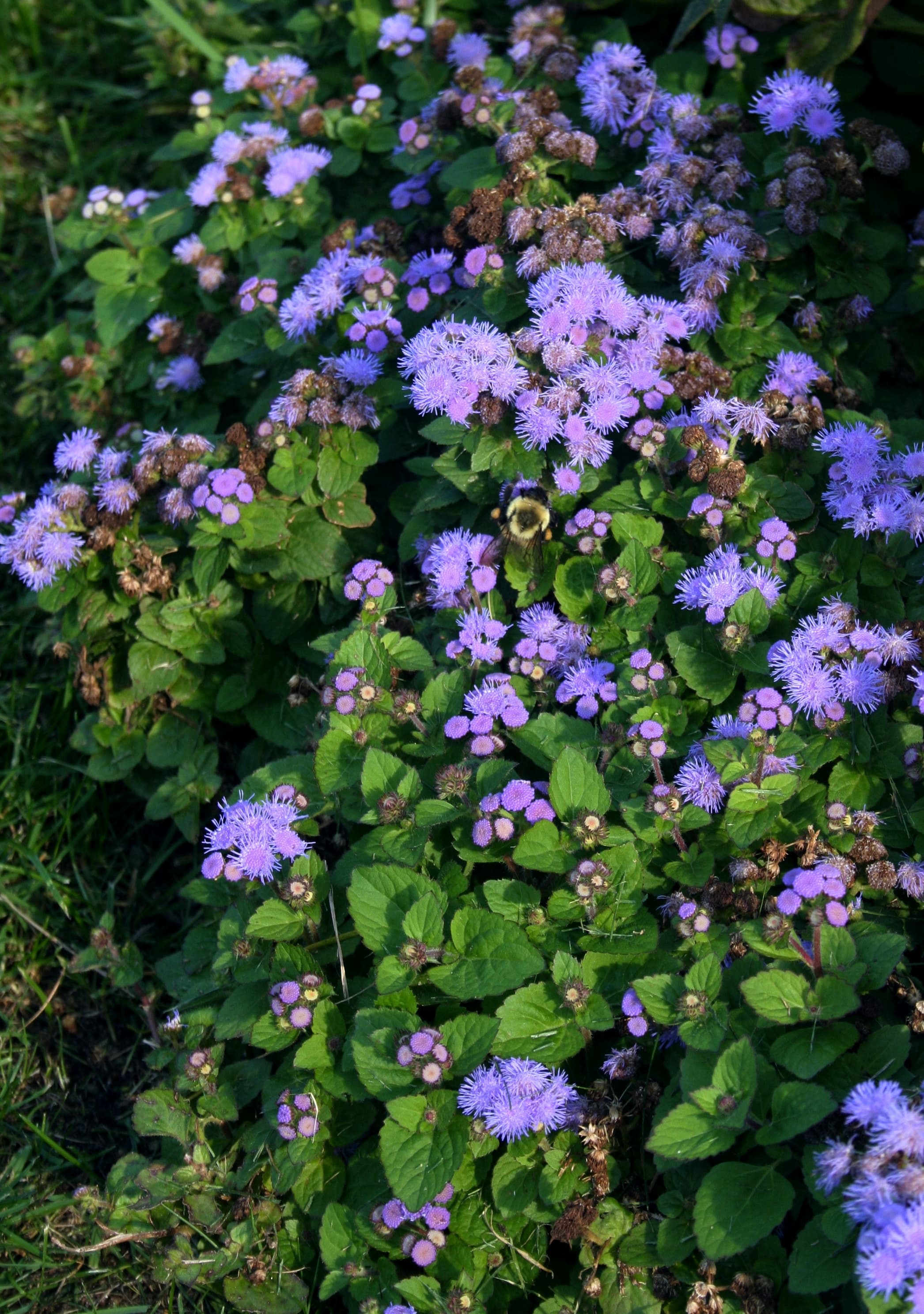 Ageratum
 Agrimony
 Aji Amarillo Pepper🍓Albion Strawberry
 Alice du Pont Mandevilla🥔All Blue Potato
 Almond
 Aloe Vera
 Ambrosia Corn
 American Basswood
 American Beauty Dragon Fruit
 American Beech
 American Persimmon
 Amethyst Falls Wisteria
 Amish Paste Tomato
 Anaheim Pepper
 Anemone
 Angelique Tulip
 Angelonia
 Anise
Anise Anise Hyssop
 Anjou Pear
 Annabelle Smooth Hydrangea
 Annual Vinca
 Apeldoorn Tulip
 Apple Mint
 April Tryst Camellia
 Arbequina Olive
 Arizona Sun Blanket Flower
 Arkin Carambola
 Armenian Cucumber
 Aronia
 Arp Rosemary
 Arugula
 Ashwagandha
 Asian Pear
 Asian Persimmon
 Atemoya
 Atlantic Giant Pumpkin🥕Atomic Red Carrot
 Aucuba
 August Beauty Gardenia
 Aunt Molly's Ground Cherry
 Autumn Joy Sedum
 Avocado
 Bachelor's Button
 Balsam Fir
 Balsam Poplar
 Banana Pepper
 Barbara Karst Bougainvillea
 Bartlett Pear
 Bay Laurel
 Bayberry
 Beach Plum
 Beauregard Sweet Potato
 Becky Shasta Daisy
 Bee Balm🍅Beefmaster Tomato
 Benarys Giant Zinnia
 Bengal Tiger Canna
 Better Boy Tomato🥬Bibb Lettuce🍅Big Beef Tomato
 Big Boy Tomato
 Bilberry
 Bing Cherry
 Bitter Melon
 Black Bean
 Black Beauty Eggplant
 Black Beauty Zucchini
 Black Beluga Lentil
 Black Cherry Tomato
 Black Crowberry
 Black Currant🍉Black Diamond Watermelon
 Black Kabouli Chickpea
 Black Krim Tomato
 Black Raspberry
 Black Sapote🥬Black Seeded Simpson Lettuce🥕Black Spanish Radish
 Black Tartarian Cherry
 Black Walnut
 Black-Eyed Pea
 Black-eyed Susan Vine
 Blood Orange
 Bloomsdale Spinach
 Blue Bird Delphinium
 Blue Bird Rose of Sharon
 Blue Fescue
 Blue Lake Green Bean
 Bluecrop Blueberry
 Bocking 14 Comfrey
 Bok Choy
For educational and informational purposes only. Disease management advice is general guidance drawn from university cooperative extension sources; always identify a problem positively and read and follow the label on any product before use, especially around food crops, children, and pets.