
Three-Lined Potato Beetle
Lema daturaphila
A small striped leaf beetle that is the main insect pest of tomatillo and husk cherry, where both the adults and the slug-like larvae chew the foliage. It is often mistaken for the more famous Colorado potato beetle but is slimmer and striped lengthwise, and it rarely bothers potato or tomato seriously.
🔎 How to spot it
The adult is about a quarter inch long, slender, and reddish-orange to yellow with three black stripes running the length of the wing covers, a yellow-and-black head region, and dark antennae. The larva is plump and slug-like with a dark head, and it has the unusual habit of piling its own black excrement on its back as a shield against predators. Eggs are laid in small clusters on the undersides of leaves.
🥀 Damage it causes
Adults and larvae both eat the leaves, and on tomatillo and ground cherry heavy feeding can riddle or strip the foliage and set plants back. Injury on potato and tomato is usually minor, since those are poor hosts. The fecal-covered larvae are the most damaging stage, and in regions with a second generation, numbers can build further through the season on a favored host.
🛡️ Prevent it
Cover young tomatillo and husk cherry plants with floating row cover to keep the overwintered adults from finding them and laying eggs, removing it if pollination is needed. Inspect the undersides of leaves for the orange egg clusters and rub them out early. Clean up plant debris and nearby weedy Physalis in fall, where adults and pupae overwinter in the soil.
🧯 If it is already here
Handpicking is very effective in a garden: knock the adults and the messy larvae into soapy water, and crush egg clusters as you find them. For larger plantings, spinosad or Bacillus thuringiensis subspecies tenebrionis labeled for leaf beetles will control the larvae, and insecticidal options used for Colorado potato beetle also work. Because natural enemies help, spray only when feeding is heavy.
💡 Good to know
Despite the name, this beetle is far more at home on tomatillo and husk cherry than on potato, so tomatillo growers see it most. The larva that carries a wet black cap of its own waste is unmistakable once you know to look. Row cover at planting and a little handpicking usually keep it from ever becoming a problem.
🌱 Plants it attacks
44 plants in the library can be attacked by this pest
 Adirondack Blue Potato🥔All Blue Potato
 Amish Paste Tomato
 Aunt Molly's Ground Cherry
 Beauregard Sweet Potato🍅Beefmaster Tomato
 Better Boy Tomato🍅Big Beef Tomato
 Big Boy Tomato
 Black Cherry Tomato
 Black Krim Tomato🍅Box Car Willie Tomato
 Brandywine Tomato
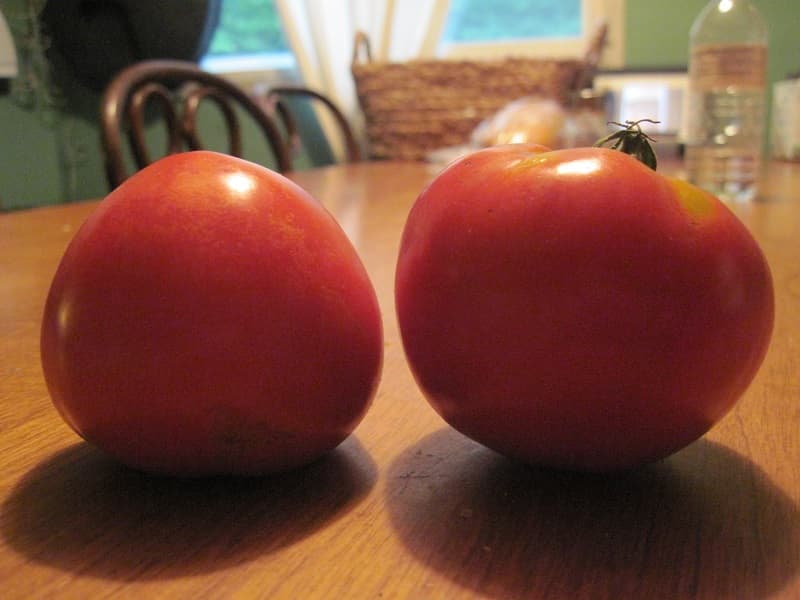 Celebrity Tomato
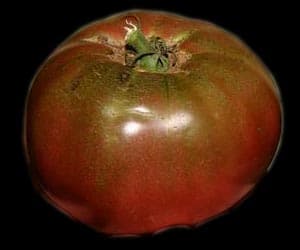 Cherokee Purple Tomato
 Early Girl Tomato
 Fingerling Potato
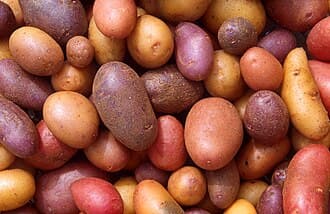 German Butterball Potato🍅German Queen Tomato
 Green Zebra Tomato
 Indigo Rose Tomato
 Juliet Grape Tomato
 Kellogg's Breakfast Tomato
 Kennebec Potato🍅La Roma IV Tomato
 Lemon Boy Tomato🍅Mortgage Lifter Tomato
 Mr. Stripey Tomato
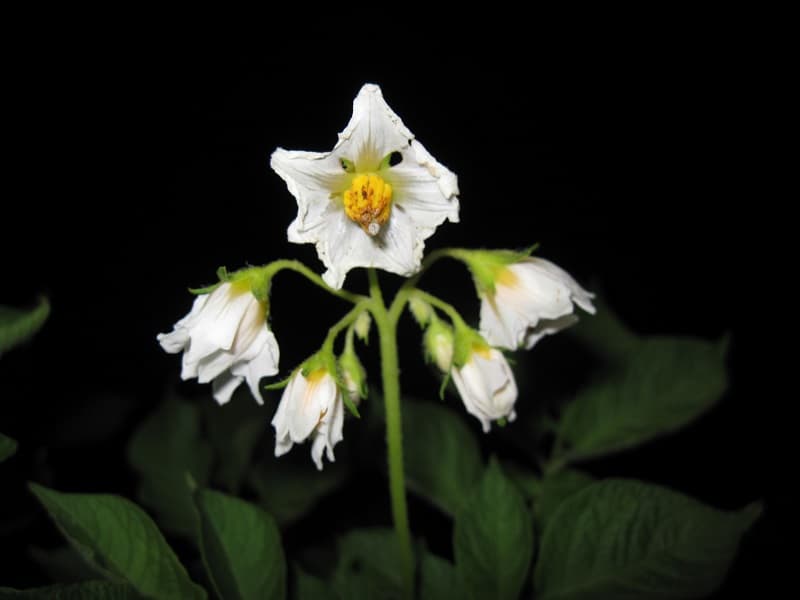 Norland Potato
 Pineapple Tomato🥔Purple Majesty Potato
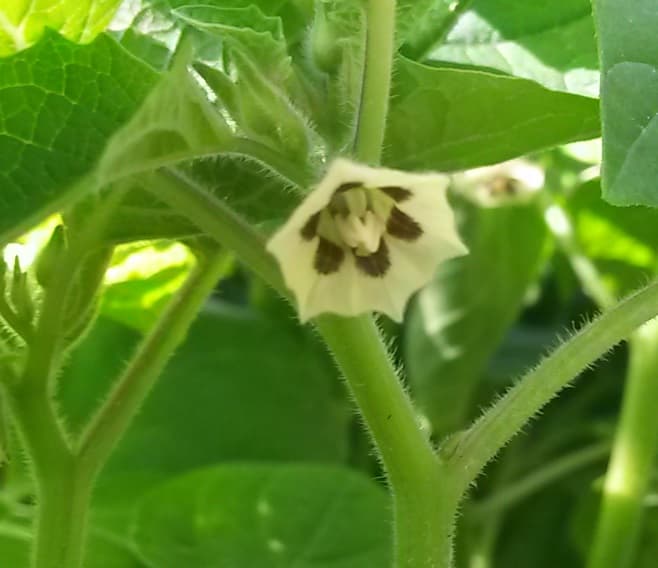 Purple Tomatillo
 Red Pontiac Potato
 Roma Tomato
 Russet Potato🍅Rutgers Tomato
 San Marzano Tomato🍅Striped German Tomato🍅Sungold Cherry Tomato
 Sweet 100 Cherry Tomato🍅Tiny Tim Cherry Tomato
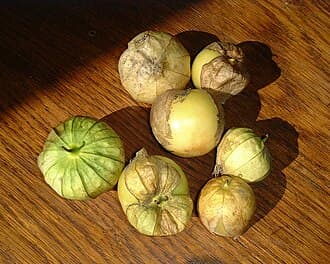 Toma Verde Tomatillo
 Yellow Pear Tomato
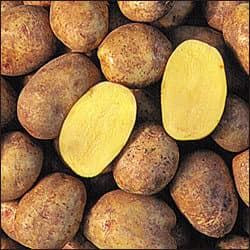 Yukon Gold Potato
For educational and informational purposes only. Pest control advice is general guidance drawn from university cooperative extension sources; always identify a pest positively and read and follow the label on any product before use, especially around food crops, children, and pets.