Invasive in some states
This plant is assessed as invasive in parts of the US. It is not illegal, but consider a non-invasive alternative and check your local guidance before planting it.
Use with caution
The leaves are a safe, traditional culinary herb for people, but the whole plant contains perilla ketone and related compounds that are toxic to animals: perilla mint is a well-documented cause of fatal respiratory distress (atypical interstitial pneumonia) in cattle, horses, and other grazing livestock, and it is also toxic to dogs and cats. Enjoy the leaves yourself, but keep animals from grazing on the plants, especially once they flower and set seed.
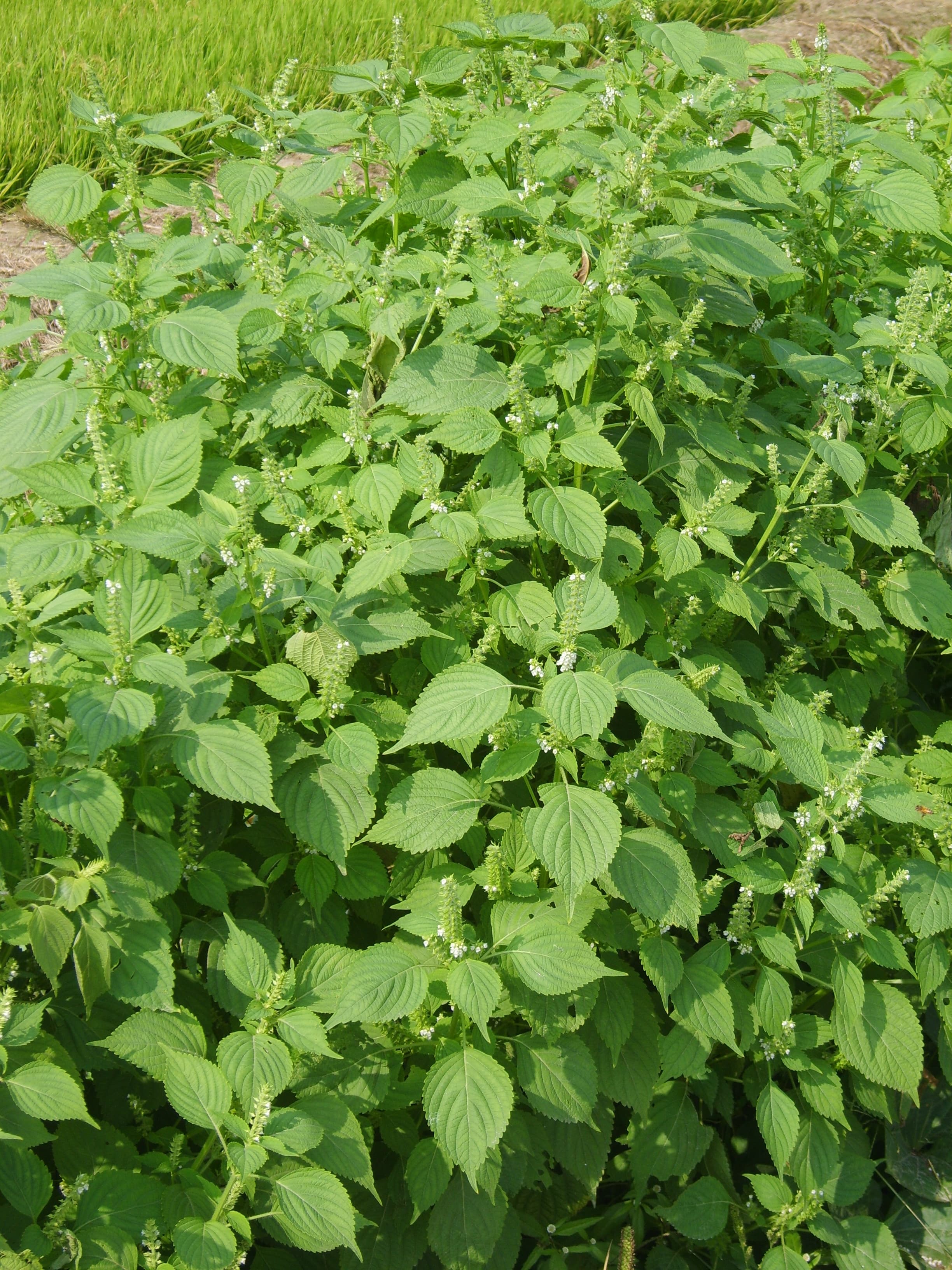
Red Shiso
Perilla frutescens var. crispa
herbRed shiso is the deeply colored, frilled-leaf form of the Japanese culinary herb Perilla frutescens, with purple-red foliage carrying a unique flavor between basil, mint, anise, and cinnamon. A fast summer annual that reaches 1 to 3 ft, it is grown for pickling, garnishes, and its anthocyanin color, and it self-seeds so freely that the species has naturalized and is considered invasive in parts of the Southeastern US.
☀️
Sun
full sun
💧
Water
Every 3 days
🌾
Harvest
~60 days
📊
Difficulty
easy
🌱
Lifecycle
annual
One season, then done
↔️
Spacing
10-12 in. apart
⬇️
Planting Depth
Barely cover seed (needs light)
🧪
Soil pH
5.5-6.5
Growing Details
Soil Type
Rich, well-draining
Hardiness Zones
Zones 3 – 11
Grown as an annual. This range is its winter hardiness, but you can grow it for a single season in any zone.
When to Fertilize
Light feed early in the season
Fertilizer
Balanced or compost
🌱 Growing Guide
Sow indoors 4 to 6 weeks before the last frost, pressing seed onto the surface since light is needed to germinate; fresh seed and a short chill improve sprouting. Transplant after frost into compost-rich, well-drained, slightly acidic soil in full sun to part shade. Pinch the tips weekly to thicken the plant and remove flower spikes to delay bolting and keep the leaves tender. Shiso self-sows aggressively and has escaped into natural areas in the Southeast, so cut the flowers before seed sets to keep it from spreading.
Planting Calendar
Sign in to personalize →🌱
Start seeds indoors
Mar 4
🌿
Transplant outdoors
Apr 22
🌾
Projected first harvest
Jun 21
JJan
FFeb
MMar
AApr
MMay
JJun
JJul
AAug
SSep
OOct
NNov
DDec
✅ Plant alongside
Good neighbors that attract beneficial insects or deter pests
- Basil: Shares warmth and moisture and adds to the aromatic screen that deters pests
- Cabbage: The strong scent of shiso can help mask brassicas from cabbage pests
- Tomato: Enjoys the same warm-season conditions while filling lower bed space
🛡️ Pest & disease prevention
Proactive ways to stop trouble before it starts. Tap a name with an arrow for its full guide
Float row cover over young transplants until they are established; shiso is rarely damaged once mature
Protect seedlings with grit or traps in damp early-season weather
Hose off the occasional colony on tender tips and support resident ladybugs
🌾 Harvest & storage
Begin picking individual leaves once plants reach 8 to 12 inches, taking from the top to encourage branching. Pinch off flower spikes as they appear to keep the leaves tender and prevent prolific self-seeding. Use the leaves fresh, as flavor fades quickly when dried; whole sprigs can be frozen.
🥗 Nutrition & benefits
The crinkled red leaves are rich in antioxidant anthocyanins and rosmarinic acid and supply vitamins A and C. In the kitchen the red type colors and flavors umeboshi pickles and ume vinegar, and its late flower spikes also feed bees.
⚠️ Toxicity & safety
The leaves are a safe, traditional culinary herb for people, but the whole plant contains perilla ketone and related compounds that are toxic to animals: perilla mint is a well-documented cause of fatal respiratory distress (atypical interstitial pneumonia) in cattle, horses, and other grazing livestock, and it is also toxic to dogs and cats. Enjoy the leaves yourself, but keep animals from grazing on the plants, especially once they flower and set seed.
For educational and informational purposes only. HomeSown is not medical, health, or other professional advice. Always positively identify any plant before handling or eating it; some plants, and some parts of otherwise-edible plants, are toxic. Consult a qualified professional before consuming or otherwise using any plant, especially if you are pregnant, nursing, taking medication, or have a health condition.