
Flea Beetles
Family Chrysomelidae (Alticini)
Tiny, shiny beetles that jump like fleas when disturbed and riddle leaves with a peppering of small round holes. They are most damaging in spring on seedlings and young transplants, which they can stunt or kill before the plants get going.
🔎 How to spot it
Small beetles, mostly 1/16 to 1/8 inch, in black, bronze, bluish, brown, or metallic gray, some with stripes, with enlarged hind legs that let them spring away when you reach for them. You will usually notice the damage first: a scattering of small, round to irregular holes that give leaves a shot-hole or peppered look. Look for the beetles on the leaf surface on warm days.
🥀 Damage it causes
Adults chew many small holes and pits in leaves, giving a characteristic shot-hole pattern. Light feeding is merely cosmetic on established plants, but heavy feeding wilts, stunts, or kills seedlings and young transplants, and some flea beetles also spread plant diseases. Cole crops, eggplant, potato, tomato, radish, and many greens are favorite targets.
🛡️ Prevent it
Cover seedlings and transplants with floating row cover from the day you plant, sealing the edges, and remove it only once plants are large enough to shrug off feeding, or at flowering for crops that need pollination. Delaying planting until early summer lets you skip the worst of the spring beetles, and setting out larger transplants helps them outgrow damage. Clear crop debris and weedy mustards that shelter the beetles.
🧯 If it is already here
Healthy, established plants usually tolerate flea beetles and need no treatment. Where seedlings are under heavy attack, a fast-growing trap crop at the bed edge, or spinosad or another approved product on the most vulnerable plants, can help. Keep plants watered and growing fast so they outpace the feeding.
💡 Good to know
Flea beetles overwinter as adults in debris and weeds and emerge hungry in spring, which is why young plants take the brunt. The shot-hole damage looks alarming but rarely matters on a vigorous mature plant; the real priority is protecting seedlings during their first few weeks.
🌱 Plants it attacks
176 plants in the library can be attacked by this pest
 Adirondack Blue Potato
 Aji Amarillo Pepper🥔All Blue Potato
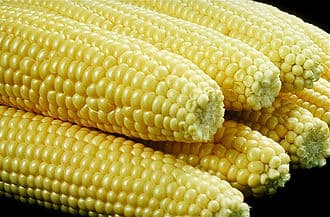 Ambrosia Corn
 Amish Paste Tomato
 Anaheim Pepper
 Arugula
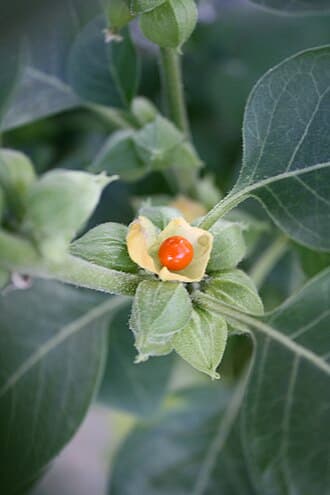 Ashwagandha
 Aunt Molly's Ground Cherry
 Banana Pepper
 Beauregard Sweet Potato🍅Beefmaster Tomato
 Better Boy Tomato🥬Bibb Lettuce🍅Big Beef Tomato
 Big Boy Tomato
 Black Beauty Eggplant
 Black Cherry Tomato
 Black Krim Tomato🥬Black Seeded Simpson Lettuce🥕Black Spanish Radish
 Bloomsdale Spinach
 Bok Choy🍅Box Car Willie Tomato
 Brandywine Tomato
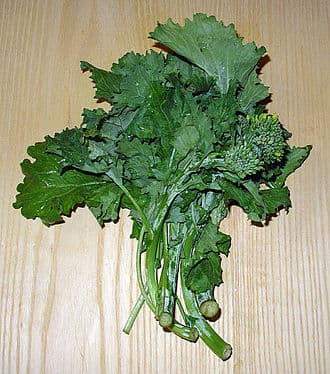 Broccoli Rabe
 Brussels Sprouts
 Bull's Blood Beet
 Burgundy Okra
 Buttercrunch Lettuce
 Calabrese Broccoli
 Carolina Reaper Pepper
 Cayenne Pepper
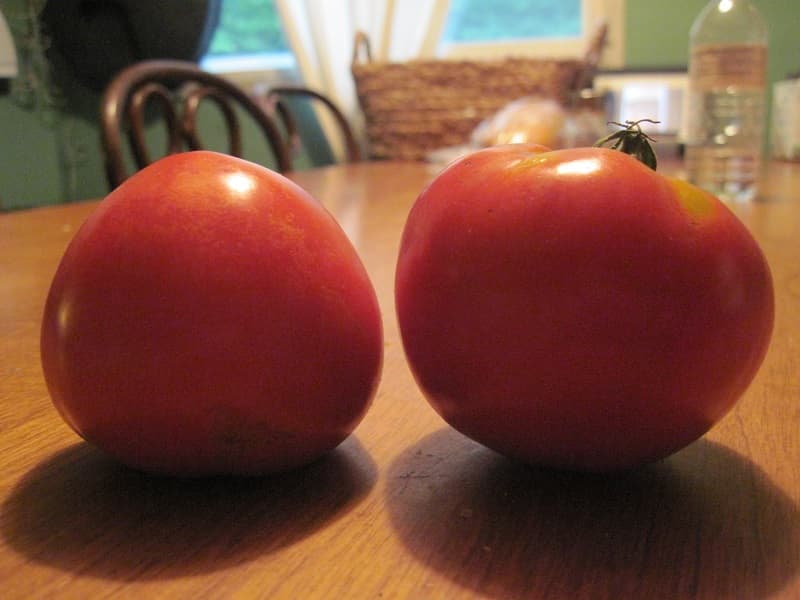 Celebrity Tomato🥬Champion Collards
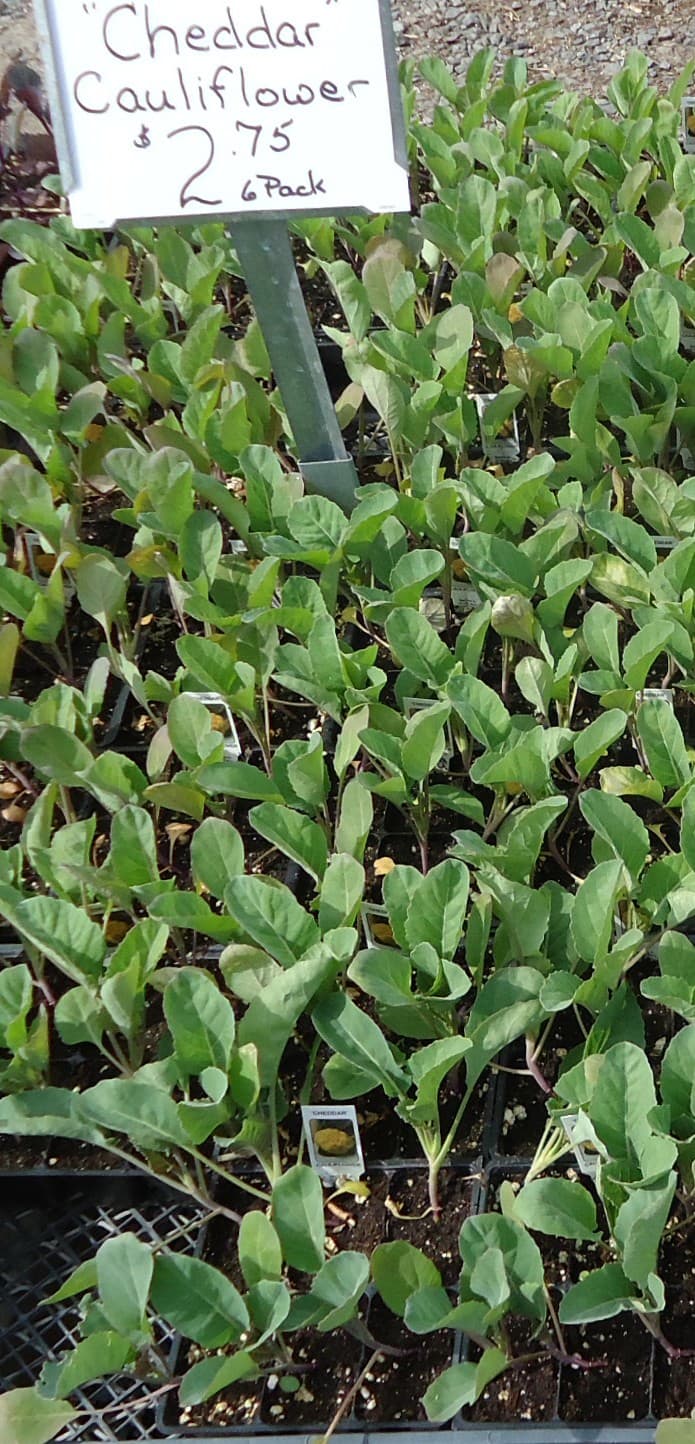 Cheddar Cauliflower
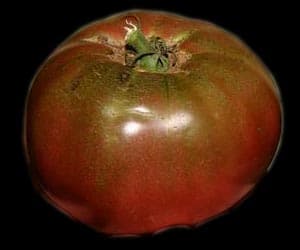 Cherokee Purple Tomato
 Cherry Belle Radish
 Chicory
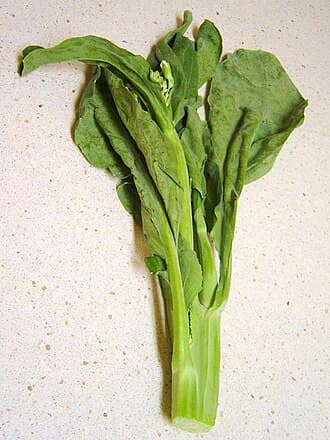 Chinese Broccoli
 Chioggia Beet
 Choy Sum
 Clemson Spineless Okra
 Collard Greens
 Cubanelle Pepper
 Cylindra Beet
 Daikon Radish
 Dandelion
 De Cicco Broccoli
 Detroit Dark Red Beet
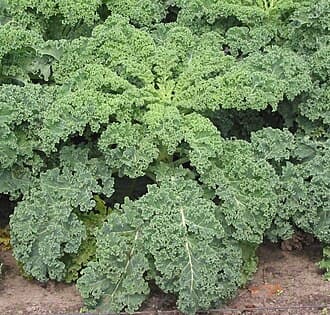 Dwarf Blue Curled Vates Kale🥬Dwarf Siberian Kale
 Early Girl Tomato🌸Easter Egg Radish
 Endive
 Epazote
 Fairy Tale Eggplant
 Fingerling Potato🥕French Breakfast Radish
 Fresno Pepper
 Frisée
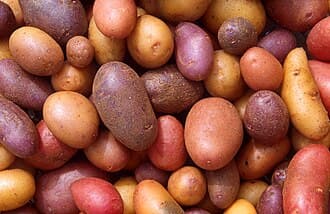 German Butterball Potato🍅German Queen Tomato
 Ghost Pepper
 Globe Amaranth
 Golden Bantam Corn
 Golden Beet
 Green Bell Pepper
 Green Cabbage
 Green Leaf Lettuce
 Green Zebra Tomato
 Habanero Pepper
 Hakurei Turnip
 Horseradish
 Hungarian Wax Pepper
 Iceberg Lettuce
 Indigo Rose Tomato
 Italian Eggplant
 Jalapeño Pepper
 January King Cabbage
 Japanese Eggplant
 Juliet Grape Tomato
 Kellogg's Breakfast Tomato
 Kennebec Potato
 Kohlrabi
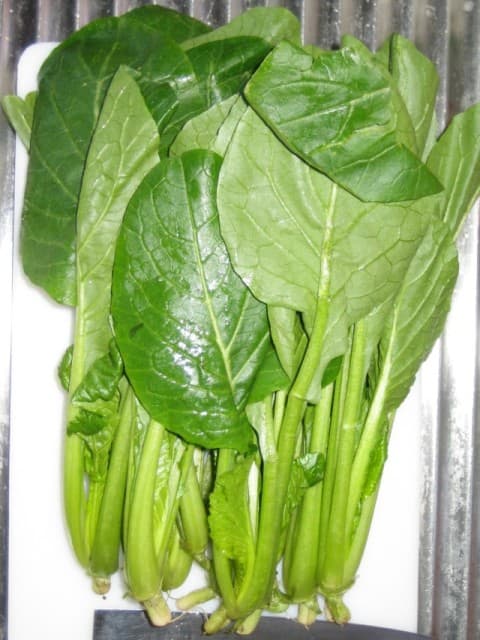 Komatsuna🍅La Roma IV Tomato
 Lacinato Kale
 Lamb's Quarter
 Lemon Boy Tomato🥬Little Gem Lettuce🥬Lollo Rossa Lettuce
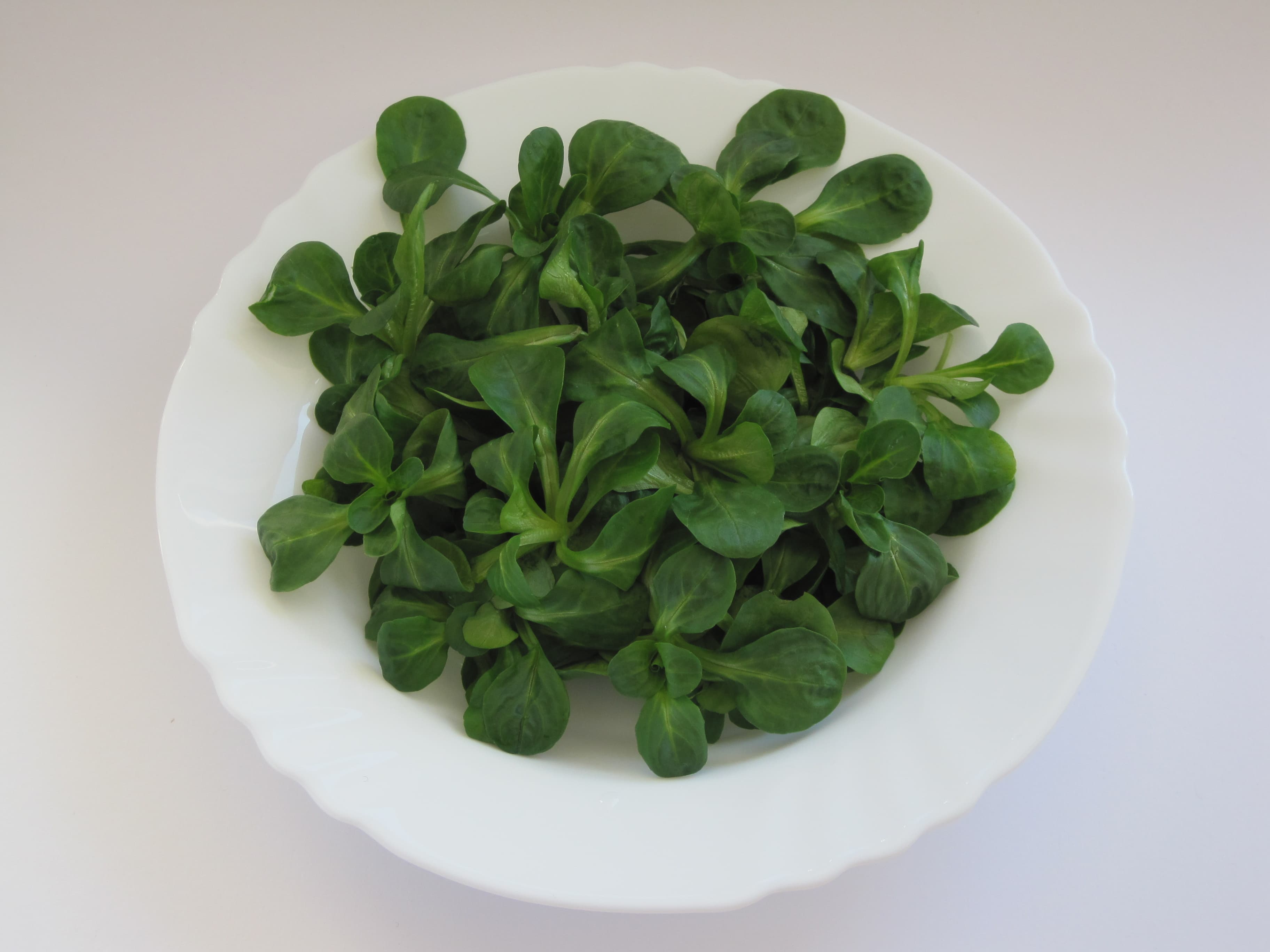 Mâche
Mâche Malabar Spinach
 Mammoth Sunflower
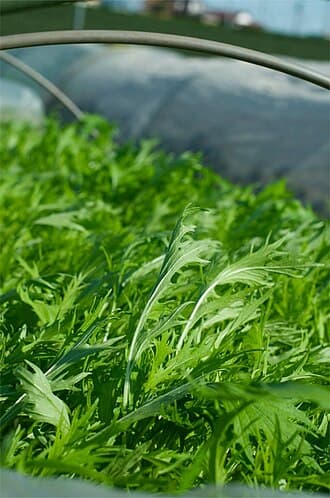 Mizuna🍅Mortgage Lifter Tomato
 Mr. Stripey Tomato
 Mustard Greens
 Nantes Carrot
For educational and informational purposes only. Pest control advice is general guidance drawn from university cooperative extension sources; always identify a pest positively and read and follow the label on any product before use, especially around food crops, children, and pets.