
Bean Leaf Roller
Urbanus proteus
The caterpillar of the long-tailed skipper butterfly, which folds and ties bean leaves into a shelter and feeds from inside it. It is a common warm-season pest of beans, cowpeas, and other legumes across the southern United States, where it can defoliate plants in large numbers, though light feeding is mostly cosmetic.
🔎 How to spot it
The caterpillar is yellowish to pale green with a dark, almost black head that looks oversized for the body, a thin dark line down the back, and faint yellow lines along each side; the segment behind the head is narrowed like a neck. The adult is a brown skipper with iridescent blue-green at the body and long, narrow tails trailing from each hind wing, and a wingspan of about an inch and a half. The first clue is usually leaves folded and webbed into a flap.
🥀 Damage it causes
The young caterpillar cuts a small triangular flap at a leaf edge, folds it over, and feeds hidden inside, while older ones tie whole leaves or several leaves together with silk to make a larger shelter. They chew the leaf tissue, and in high numbers can strip much of the foliage from beans and cowpeas. On a healthy planting modest leaf loss has little effect on yield, so the damage matters most on young plants or when caterpillars are abundant.
🛡️ Prevent it
Scout the planting for the telltale folded, webbed leaves and pick them off while the caterpillar is still inside. Because the adult is a desirable native butterfly and natural enemies often keep numbers down, tolerate light feeding rather than spraying. Keep plants vigorous so they outgrow minor leaf loss, and clean up heavily infested debris at the end of the season.
🧯 If it is already here
Handpicking the rolled leaves is usually enough in a garden, since each shelter holds a single caterpillar that is easy to remove. When numbers are high on young plants, Bacillus thuringiensis (Bt) kills the caterpillars while sparing bees, butterflies, and predators. Reserve broad-spectrum insecticides for severe outbreaks, since wasps, flies, and predatory stink bugs already attack this caterpillar heavily.
💡 Good to know
The bean leaf roller grows into the handsome long-tailed skipper, so many gardeners simply relocate the caterpillars to a wild legume such as kudzu or wisteria rather than kill them. Parasitic wasps and flies, predatory stink bugs, and a natural virus keep populations in check most years. The folded, silk-tied leaf is the signature that tells this pest apart from open leaf feeders.
🌱 Plants it attacks
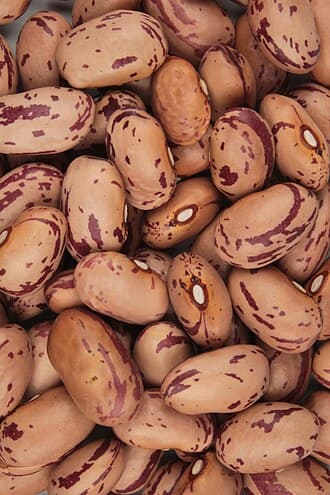
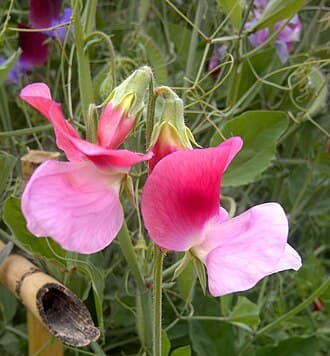
11 plants in the library can be attacked by this pest



For educational and informational purposes only. Pest control advice is general guidance drawn from university cooperative extension sources; always identify a pest positively and read and follow the label on any product before use, especially around food crops, children, and pets.