🐛 Pest Guide
Know your garden's troublemakers: how to spot them, prevent them, and deal with them organically, linked to the plants they attack.
Showing 156 of 156 pests

Aphids
Superfamily Aphidoidea
Tiny, soft-bodied sap-suckers that cluster on tender new growth and the undersides of leaves. They are the single most common garden pest, turning up on nearly every crop. Most healthy plants shrug off light feeding, but colonies build fast and a few species spread plant viruses.
🎯 Attacks Abelia, Agapanthus, Ageratum, Agrimony & more

Spider Mites
Family Tetranychidae
Nearly microscopic sap-feeders, more closely related to spiders than insects, that erupt in hot, dry, dusty weather. The first sign is usually a fine pale stippling on the leaves; by the time you notice webbing, the colony is already large.
🎯 Attacks Abelia, Agapanthus, Ageratum, Agrimony & more

Flea Beetles
Family Chrysomelidae (Alticini)
Tiny, shiny beetles that jump like fleas when disturbed and riddle leaves with a peppering of small round holes. They are most damaging in spring on seedlings and young transplants, which they can stunt or kill before the plants get going.
🎯 Attacks Amaranth, Arugula, Beet, Broccoli & more

Slugs and Snails
Class Gastropoda
Soft, slimy mollusks that feed at night and leave ragged holes and silvery trails across leaves, seedlings, and ripening fruit. They thrive in cool, damp, shaded gardens and can wipe out a row of seedlings before you ever see one in daylight.
🎯 Attacks Abelia, Agapanthus, Ageratum, Agrimony & more

Tomato Hornworm
Manduca quinquemaculata
A huge green caterpillar, up to four inches long, that can strip a tomato plant of its leaves seemingly overnight. Despite its size it is a master of camouflage, so the chewed, bare stems and dark droppings usually give it away before you ever spot the caterpillar.
🎯 Attacks Eggplant, Pepper, Potato, Tomatillo & more

Whiteflies
Family Aleyrodidae
Tiny white winged insects that rise in a little cloud when you brush an infested plant. They suck sap from the undersides of leaves, coat the plant in sticky honeydew, and are notoriously hard to control once a population takes hold.
🎯 Attacks Abelia, Agapanthus, Ageratum, Agrimony & more

Squash Bugs
Anasa tristis
Flat, gray-brown shield-shaped bugs that attack squash, pumpkins, and other cucurbits, sucking sap until leaves wilt and collapse. They hide fast and are tough to kill as adults, so the game is finding and crushing the egg clusters early.
🎯 Attacks Cantaloupe, Cucumber, Melon, Pumpkin & more

Cucumber Beetles
Acalymma vittatum and Diabrotica undecimpunctata
Small yellow beetles, either striped or spotted, that swarm cucurbit seedlings and flowers. Beyond the chewing, they are the main carrier of bacterial wilt, a disease that can kill a vine outright, which makes protecting young plants critical.
🎯 Attacks Aster, Bean, Cantaloupe, Corn & more

Birds
Class Aves
Welcome almost everywhere else in the garden, birds become a pest when they strip ripening berries and fruit or pull up just-sprouted seedlings. They are best handled by physically excluding them with netting rather than by trying to scare or harm them.
🎯 Attacks Abelia, Agapanthus, Ageratum, Agrimony & more

Japanese Beetles
Popillia japonica
Shimmering metallic-green-and-copper beetles that swarm in mid-summer and skeletonize leaves, flowers, and fruit. They feed in groups, and the damage itself draws in more beetles, so a few can quickly become a mob.
🎯 Attacks Abelia, Agapanthus, Ageratum, Agrimony & more

Cabbage Worms
Pieris rapae and Trichoplusia ni
The green caterpillars that chew ragged holes in cabbage, kale, broccoli, and their kin and tunnel into the heads. Several species feed together; the velvety imported cabbageworm and the looping cabbage looper are the most common.
🎯 Attacks Arugula, Broccoli, Cabbage, Cauliflower & more

Grasshoppers
Family Acrididae
Big, jumping, leaf-chewing insects that can move into a garden in waves during hot, dry summers and strip plants fast. Most years a few grasshoppers do little harm, but in outbreak years, often after dry springs, they arrive from surrounding grassland and can devour leaves, flowers, and whole seedlings.
🎯 Attacks Abelia, Agapanthus, Ageratum, Agrimony & more

Thrips
Order Thysanoptera
Slivers of insects, barely visible to the eye, that rasp at leaves, buds, and flowers and leave a silvery, speckled scarring. A few species also transmit damaging plant viruses, which can matter more than the feeding itself.
🎯 Attacks Abelia, Agapanthus, Ageratum, Agrimony & more

Squash Vine Borer
Melittia cucurbitae
The hidden killer of squash and pumpkins: a fat white caterpillar bores into the base of the stem and feeds inside it, so the first you usually know of it is a healthy vine that suddenly wilts and collapses. A wasp-like, day-flying moth lays the eggs at the stem base in early summer.
🎯 Attacks Cantaloupe, Cucumber, Melon, Pumpkin & more

Spotted Lanternfly
Lycorma delicatula
An invasive, planthopper-like insect first found in Pennsylvania in 2014 and now spreading across the eastern states. It feeds on sap from many plants, with a special appetite for grapevines, hops, fruit trees, and the weedy tree-of-heaven. It rarely kills garden plants outright, but its feeding stresses them and its sticky waste fouls everything below.
🎯 Attacks Alder, Apple, Apricot, Aronia & more

Wireworms
Family Elateridae (larvae)
The larvae of click beetles: tough, wiry, orange-brown grubs that live in the soil for years and chew into seeds, roots, and especially potato tubers, leaving narrow holes that ruin the crop. They are most troublesome in beds recently converted from sod or lawn.
🎯 Attacks Bean, Beet, Burdock, Cabbage & more

Leaf Miners
Liriomyza and Pegomya spp.
Tiny fly larvae that live and feed between the upper and lower skin of a leaf, scribbling pale, winding tunnels or blistered blotches as they go. On leafy greens like spinach, beet, and chard the mined leaves are unappetizing, but on most plants the damage is more cosmetic than serious.
🎯 Attacks Abelia, Agapanthus, Ageratum, Agrimony & more

Scale Insects
Superfamily Coccoidea
Odd, stationary sap-suckers that look more like bumps, crusts, or specks on stems and leaves than insects. They cling in place under a waxy or shell-like cover, weakening woody plants, citrus, and houseplants, and the soft kinds drip sticky honeydew that grows black sooty mold.
🎯 Attacks Abelia, Agapanthus, Ageratum, Agrimony & more

Onion Maggot
Delia antiqua
The larva of a small fly that burrows into onions and their relatives, killing young seedlings outright and tunneling into the bulbs of older plants so they rot in storage. Damp, cool springs and beds that grew onions the year before bring the worst of it.
🎯 Attacks Allium, Chives, Garlic, Leek & more

Cutworms
Family Noctuidae (larvae)
Plump, soft caterpillars that hide in the soil by day and come out at night to chew through the stems of young seedlings at ground level, felling them like tiny trees. A gardener often finds a row of transplants cut off and lying on the soil one morning with no culprit in sight.
🎯 Attacks Abelia, Agapanthus, Ageratum, Agrimony & more

Carrot Rust Fly
Chamaepsila rosae
A small fly whose maggots tunnel through carrots and other roots, packing the channels with rusty-brown waste that gives the pest its name. The carrots keep growing but become scarred, bitter, and prone to rot, often with no sign of trouble until you pull them.
🎯 Attacks Anise, Caraway, Carrot, Celeriac & more

Colorado Potato Beetle
Leptinotarsa decemlineata
A boldly striped beetle that, with its hump-backed red grubs, can strip a potato or eggplant of every leaf. It is a famously stubborn pest, quick to rebound and notorious for shrugging off insecticides, so hands-on control in the home garden is the surest route.
🎯 Attacks Eggplant, Pepper, Potato, Tomatillo & more

Codling Moth
Cydia pomonella
The classic cause of the wormy apple. Its caterpillar bores straight to the core of apples, pears, and walnuts to feed on the seeds, leaving a frass-plugged hole and a tunneled, inedible fruit. It is the single most important pest of backyard pome fruit.
🎯 Attacks Apple, Aronia, Hawthorn, Loquat & more

Leafhoppers
Family Cicadellidae
Small, wedge-shaped, fast-moving insects that hop or fly off sideways when disturbed. They suck sap from leaves, leaving a pale stippling, and some scorch the foliage with a toxic feeding burn or carry plant diseases from one plant to the next.
🎯 Attacks Abelia, Agapanthus, Ageratum, Agrimony & more

Mexican Bean Beetle
Epilachna varivestis
A bean-eating cousin of the ladybug that turns the family resemblance to its advantage. Coppery and spotted, the adults and their spiny yellow grubs feed on the undersides of bean leaves and skeletonize them to a lacy net, and a heavy infestation can defoliate a planting.
🎯 Attacks Bean, Edamame

Bean Leaf Beetle
Cerotoma trifurcata
A small, variable beetle that chews neat round holes in bean leaves and, later in the season, scars the pods. It rarely defoliates an established planting, but it hits hardest on emerging seedlings and can nick young plants badly.
🎯 Attacks Bean, Edamame, Pea

Spotted Wing Drosophila
Drosophila suzukii
An invasive vinegar fly that, unlike its harmless kitchen-fruit-fly cousins, attacks sound, ripening berries and cherries rather than only rotten fruit. The females saw into firm fruit to lay eggs, and the maggots turn the berries soft and mushy from the inside as they ripen.
🎯 Attacks Apricot, Aronia, Berry, Bilberry & more

Harlequin Bug
Murgantia histrionica
A flashy red-and-black stink bug that is a major pest of cabbage-family crops, especially in warm regions. Both the adults and nymphs suck sap from the leaves, leaving blotched, wilted, and yellowed foliage that can kill young plants outright.
🎯 Attacks Arugula, Broccoli, Cabbage, Cauliflower & more

Cabbage Root Maggot
Delia radicum
The cabbage-family counterpart of the onion maggot: a small fly whose white maggots tunnel into the roots of brassicas, wilting and killing seedlings and transplants. Cool, wet springs and beds that grew cabbage relatives the year before make it worst.
🎯 Attacks Arugula, Broccoli, Cabbage, Cauliflower & more

Mealybugs
Family Pseudococcidae
Soft, slow-moving sap-suckers that hide under a coat of white, cottony wax in leaf joints and along stems, weakening the plant and dripping sticky honeydew. They are most familiar as a stubborn pest of houseplants but also hit greenhouse plants, citrus, and warm-climate crops.
🎯 Attacks Abelia, Agapanthus, Ageratum, Agrimony & more

Stink Bugs
Family Pentatomidae
Shield-shaped bugs that pierce developing fruit and pods to suck sap, leaving dimples, hard spots, and discoloration. The invasive brown marmorated stink bug has made them a far bigger garden and orchard problem, and the same bugs become a nuisance indoors when they shelter for winter.
🎯 Attacks Abelia, Agapanthus, Ageratum, Agrimony & more

Corn Earworm
Helicoverpa zea
A single caterpillar that is the wormy tip of a sweet corn ear, the chewed hole in a tomato, and the borer in a bean pod, since it goes by corn earworm, tomato fruitworm, and other names for the same pest. On corn it feeds down from the silk into the ear tip.
🎯 Attacks Bean, Corn, Edamame, Eggplant & more

Earwigs
Order Dermaptera
Familiar reddish-brown insects with a pair of pincers at the tail, earwigs are a mixed bag in the garden: they eat aphids and decaying matter, but in numbers they also chew ragged holes in seedlings, leaves, soft fruit, and flowers, feeding at night and hiding by day.
🎯 Attacks Abelia, Agapanthus, Ageratum, Agrimony & more

Tarnished Plant Bug
Lygus lineolaris
A small, fast, mottled bug (a Lygus bug) that feeds on tender buds, shoots, and developing fruit, injecting a toxin that distorts and scars the growth. On strawberries it causes the gnarled, seedy berries known as cat-facing, and it deforms many flowers and vegetables.
🎯 Attacks Abelia, Agapanthus, Ageratum, Agrimony & more

Asparagus Beetle
Crioceris asparagi
The main pest of asparagus, this small, handsome beetle and its dark grubs chew the spears and later the ferny foliage. Spear feeding leaves brown scars and bent, shepherd-crook tips, and a heavy fern infestation weakens the crowns for next year.
🎯 Attacks Asparagus

Pea Weevil
Bruchus pisorum
A small, chunky beetle whose grub develops hidden inside a developing pea, eating out the seed. The adults nibble blossoms and leaf edges, but the real damage is done out of sight within the pods, often discovered only when peas are shelled or saved for seed.
🎯 Attacks Pea

Pepper Weevil
Anthonomus eugenii
A tiny snout beetle that is one of the most damaging pests of peppers in warm regions, attacking buds and fruit. Its grub develops inside the pepper, causing buds and small fruit to yellow and drop and leaving the remaining pods misshapen and rotten at the core.
🎯 Attacks Eggplant, Pepper

Spittlebugs
Family Aphrophoridae
Best known for the frothy blob of spit-like foam on plant stems in late spring, spittlebugs are sap-sucking insects whose nymphs hide and feed inside that protective foam. The foam is more startling than harmful, and on most garden plants the feeding does little real damage.
🎯 Attacks Abelia, Agapanthus, Ageratum, Agrimony & more

Root-Knot Nematodes
Meloidogyne spp.
Microscopic soil-dwelling roundworms that invade plant roots and force them to form knotty galls. Hidden underground, they show up as plants that wilt, yellow, and languish for no clear reason, and the swollen, galled roots found when you dig give them away.
🎯 Attacks Abelia, Agapanthus, Ageratum, Agrimony & more

Deer
Odocoileus spp.
Large, graceful, and very hungry, deer browse a huge range of garden plants, vegetables, fruit, and young trees, usually at dawn and dusk. A herd can clip a planting to the ground overnight, and the only reliable protection is to physically exclude them.
🎯 Attacks Abelia, Agapanthus, Ageratum, Agrimony & more

Rabbits
Sylvilagus spp.
Cottontail rabbits are among the most common garden raiders, clipping off seedlings, beans, lettuce, and other tender plants with a clean, angled cut and gnawing the bark of young trees in winter. They breed fast, so a tidy fence around the vegetables is the surest defense.
🎯 Attacks Abelia, Agapanthus, Ageratum, Agrimony & more

Voles
Microtus spp.
Small, mouse-like rodents that work at ground level and below, voles girdle the bark of young trees, gnaw roots and tubers, and run a network of little surface trails through grass and mulch. They are most destructive in winter under snow and in weedy, well-covered ground.
🎯 Attacks Abelia, Agapanthus, Ageratum, Agrimony & more

Plum Curculio
Conotrachelus nenuphar
A small snout beetle that is a major pest of tree fruit in the East and Midwest, scarring and infesting apples, cherries, peaches, and plums. The female cuts a distinctive crescent-shaped scar into young fruit as she lays her egg, and the grub tunnels the fruit, which often drops early.
🎯 Attacks Apple, Apricot, Cherry, Chokecherry & more

Apple Maggot
Rhagoletis pomonella
A native fly whose maggots tunnel through apples (and sometimes plums and pears), leaving the fruit dimpled outside and brown-trailed and rotten inside. Nicknamed the railroad worm for the winding tracks it bores, it is a leading cause of wormy backyard apples in the North and East.
🎯 Attacks Apple, Aronia, Cherry, Hawthorn & more

Armyworms
Spodoptera and Mythimna species
Caterpillars that feed in large numbers and march from plant to plant, named for the way they move through a planting like an army. Several species attack gardens, including the fall armyworm, and they can chew up corn, lettuce, tomato, and many other crops, sometimes appearing suddenly in big numbers overnight.
🎯 Attacks Abelia, Agapanthus, Ageratum, Agrimony & more

Fungus Gnats
Bradysia species
Tiny dark flies that hover around houseplants, seed trays, and damp potting soil. The adults are a harmless nuisance, but their root-feeding larvae can stunt and damage seedlings and cuttings, especially in the overwatered conditions of indoor seed starting. They are one of the most common problems of indoor and greenhouse growing.
🎯 Attacks Abelia, Agapanthus, Ageratum, Agrimony & more

White Grubs
Family Scarabaeidae
The fat, C-shaped larvae of scarab beetles, including Japanese beetles, masked chafers, and May and June beetles, that live in the soil and chew on roots. They are best known for browning out patches of lawn, but they also feed on the roots of vegetables, seedlings, and ornamentals, weakening plants from below.
🎯 Attacks Abelia, Agapanthus, Ageratum, Agrimony & more

Four-Lined Plant Bug
Poecilocapsus lineatus
A fast-moving plant bug that peppers the leaves of herbs, perennials, and shrubs with neat dark spots in late spring and early summer. It is especially fond of mint, basil, and many flowers, and although the damage looks alarming, it is mostly cosmetic and the bug is active for only a few weeks.
🎯 Attacks Abelia, Agapanthus, Ageratum, Agrimony & more

Groundhogs
Marmota monax
A large burrowing rodent, also called the woodchuck, that can flatten a vegetable garden in short order. Groundhogs graze heavily on leafy greens, beans, peas, and many vegetables, feeding most in early morning and evening, and their big burrows undermine beds, foundations, and walls.
🎯 Attacks Abelia, Agapanthus, Ageratum, Agrimony & more

Squirrels
Family Sciuridae
Familiar, agile rodents that raid gardens for fruit, nuts, seeds, bulbs, and ripening vegetables, and dig up beds and containers burying and retrieving food. Tree squirrels, ground squirrels, and their smaller cousins the chipmunks all cause similar headaches, from nibbled tomatoes to uprooted seedlings and tunneled beds.
🎯 Attacks Allium, Apple, Apricot, Aronia & more

Cabbage Looper
Trichoplusia ni
A smooth green caterpillar that loops its body like an inchworm as it crawls, chewing big holes in cabbage-family crops and many others. The cabbage looper is one of the common green caterpillars on cole crops, alongside the imported cabbageworm, and it skeletonizes leaves and bores into heads from midsummer on.
🎯 Attacks Arugula, Bean, Broccoli, Cabbage & more

Tent Caterpillars
Malacosoma species
Hairy spring caterpillars that build conspicuous silken tents in the forks of cherry, crabapple, and other trees and fan out to chew the leaves. Eastern tent caterpillars are mostly a cosmetic nuisance on healthy trees, but heavy feeding can defoliate and stress small or already-weak trees and ruin the look of a spring garden tree.
🎯 Attacks Alder, Apple, Apricot, Aronia & more

Fall Webworm
Hyphantria cunea
A late-summer caterpillar that wraps the tips of tree branches in messy silken webs and feeds on the leaves inside. Fall webworm attacks a huge range of trees, and while the webs are unsightly, the late-season feeding rarely harms an established tree because the leaves have already done most of their work for the year.
🎯 Attacks Alder, Apple, Apricot, Aronia & more

Spongy Moth
Lymantria dispar
An invasive moth, formerly called the gypsy moth, whose caterpillars defoliate oaks and many other trees in periodic outbreaks. In a bad year spongy moth caterpillars can strip whole trees and rain droppings over a yard, and repeated defoliation stresses and can kill trees, especially when paired with drought or other problems.
🎯 Attacks Alder, Apple, Aronia, Ash & more

Chinch Bugs
Blissus species
Tiny sap-sucking insects that brown out sunny patches of lawn in the heat of summer. Chinch bugs feed on the base of grass plants, injecting a toxin as they suck sap, and in hot, dry weather their numbers explode, leaving expanding patches of dead, drought-looking turf that does not green up with watering.
🎯 Attacks Amaranth, Corn, Grass, Lemongrass & more

Sod Webworms
Subfamily Crambinae
The grass-eating caterpillars of small tan lawn moths that you see fluttering up as you walk across the lawn at dusk. Sod webworms live in silk-lined tunnels at the soil surface and feed on grass blades at night, chewing ragged brown patches into the turf in mid to late summer.
🎯 Attacks Corn, Grass, Lemongrass

Blister Beetles
Family Meloidae
Slender, soft-bodied beetles that can descend on a garden in swarms and defoliate plants fast, then vanish. Blister beetles chew leaves and flowers of tomatoes, beans, potatoes, and many other plants, and they carry an irritating chemical, cantharidin, that can blister skin, so they are handled with care.
🎯 Attacks Abelia, Agapanthus, Ageratum, Allium & more

Sawflies
Suborder Symphyta
Caterpillar-like larvae of small wasp relatives that skeletonize the leaves of roses, pears, cherries, and other plants, leaving a lacy, windowpane look. The rose slug and pear slug are common garden sawflies; despite the slug nickname they are not slugs at all, and a strong jet of water or a soap spray knocks them out.
🎯 Attacks Apple, Apricot, Aronia, Berry & more

Pickleworm
Diaphania nitidalis
A caterpillar that bores into the flowers and fruit of summer squash, cucumbers, and melons, tunneling inside and leaving wet sawdust-like frass at the entry holes. A warm-climate pest that migrates north each summer, the pickleworm can ruin a late cucurbit crop, especially in the South, by hollowing the fruit from within.
🎯 Attacks Cantaloupe, Cucumber, Melon, Pumpkin & more

Potato Psyllid
Bactericera cockerelli
A tiny sap-sucking insect, like a miniature winged aphid or cicada, whose feeding injects a toxin that yellows and stunts potatoes, tomatoes, and peppers, a condition called psyllid yellows. It can also carry a bacterium that causes zebra chip disease in potatoes, making this small insect a serious threat to nightshade crops.
🎯 Attacks Eggplant, Pepper, Potato, Tomatillo & more

Peachtree Borer
Synanthedon exitiosa
A clear-winged moth whose larvae bore into the lower trunk and roots of peach, cherry, plum, and other stone fruit, feeding on the inner bark and girdling the tree. One of the most damaging pests of backyard stone fruit, the peachtree borer can weaken and kill a tree from the base, betrayed by gum and frass oozing near the soil line.
🎯 Attacks Apricot, Cherry, Chokecherry, Nectarine & more

Raspberry Cane Borer
Oberea species
A slender long-horned beetle whose feeding makes the tips of raspberry and blackberry canes suddenly wilt and droop in early summer. The adult girdles the cane to lay an egg, and the larva then tunnels down inside the cane, so the damage shows first as wilted tips marked by a distinctive double ring of punctures.
🎯 Attacks Blackberry, Boysenberry, Currant, Raspberry & more

Raccoons
Procyon lotor
Clever, dexterous, masked night raiders that are notorious for destroying sweet corn just before harvest, climbing and tearing down the stalks to reach the ears. Raccoons also raid melons, tree fruit, and trash, and their nimble paws and intelligence make them one of the harder garden animals to keep out without a fence.
🎯 Attacks Apple, Apricot, Aronia, Atemoya & more

Moles
Family Talpidae
Burrowing, insect-eating mammals that tunnel through lawns and garden beds, heaving up ridges and mounds of soil and uprooting small plants in the process. Moles do not eat plants, they hunt grubs and earthworms, but their tunneling disturbs roots, disfigures the lawn, and opens runways that voles then use to gnaw on plants.
🎯 Attacks Abelia, Agapanthus, Ageratum, Agrimony & more

Pocket Gophers
Family Geomyidae
Stout burrowing rodents that live almost entirely underground and feed on roots, tubers, and whole plants pulled down into their tunnels from below. Pocket gophers, common in the western and central states, can destroy vegetables and young trees fast, and their crescent-shaped soil mounds are the sign of an active animal in the bed.
🎯 Attacks Abelia, Agapanthus, Ageratum, Agrimony & more

Ants
Family Formicidae
Among the most common insects in any garden, ants are usually harmless or even helpful, but they turn into a pest when they farm sap-sucking insects for honeydew. By protecting and spreading aphids, scale, whiteflies, and mealybugs from their predators, ants make those pests, and the sooty mold that follows, far worse.
🎯 Attacks Abelia, Agapanthus, Ageratum, Agrimony & more

Crickets
Family Gryllidae
Familiar chirping insects that are mostly harmless but can chew on seedlings, leaves, and ripening fruit, especially where they build up near weedy edges. In most gardens crickets are a minor, occasional nuisance, but in large numbers, particularly during dry spells, they can clip rows of young seedlings overnight.
🎯 Attacks Abelia, Agapanthus, Ageratum, Agrimony & more

Diamondback Moth
Plutella xylostella
A small moth whose green caterpillars are one of the most common and widespread pests of the cabbage family worldwide. Diamondback caterpillars chew small holes and windowpanes in the leaves of cabbage, broccoli, kale, and their kin, and because they breed fast and resist many insecticides, they can be surprisingly hard to control.
🎯 Attacks Arugula, Broccoli, Cabbage, Cauliflower & more

Seedcorn Maggot
Delia platura
The small white maggots of a fly that attack germinating seeds and seedlings underground, hollowing out the seed before it can sprout. Seedcorn maggot is a common cause of poor, patchy stands in beans, corn, peas, cucurbits, and many other crops, especially in cool, wet springs and in soils rich in fresh organic matter.
🎯 Attacks Bean, Beet, Cantaloupe, Corn & more

Lace Bugs
Family Tingidae
Small, flat insects with intricately lacy wings that suck sap from the undersides of leaves, stippling the tops with a fine yellow speckling. Lace bugs are common on many trees, shrubs, and ornamentals, and while their damage is mostly cosmetic, a heavy infestation can leave foliage looking washed-out and bronzed by late summer.
🎯 Attacks Alder, Ash, Aspen, Aster & more

Rose Chafer
Macrodactylus subspinosus
A tan, long-legged beetle that swarms in early summer, especially on sandy soils, to feed on flowers, leaves, and fruit. Rose chafers love roses and peonies but also riddle grapes, raspberries, and strawberries and skeletonize the leaves of many plants, often appearing suddenly in numbers for a few weeks in June and then gone.
🎯 Attacks Apple, Apricot, Aronia, Berry & more

Black Vine Weevil
Otiorhynchus sulcatus
The black vine weevil, known in Britain simply as the vine weevil, is a flightless, night-feeding beetle whose adults notch the edges of leaves while their grubs, hidden in the soil and potting mix, chew the roots and crown - by far the more serious damage. It attacks a very wide range of plants, with rhododendron, azalea, yew, hydrangea, and strawberry among its favorites, and container-grown plants suffer worst, where a heavy grub population can wilt or kill a plant before the weevil is ever seen.
🎯 Attacks Abelia, Agapanthus, Ageratum, Allium & more

Broad and Cyclamen Mites
Polyphagotarsonemus latus, Phytonemus pallidus
Microscopic mites that attack the buds and growing tips of peppers, strawberries, and many ornamentals, twisting and stunting the new growth. Too small to see without a strong lens, broad and cyclamen mites are often misdiagnosed, since the distorted, crinkled, bronzed new leaves they cause look like a disease, herbicide injury, or nutrient problem rather than a pest.
🎯 Attacks Abelia, Agapanthus, Ageratum, Allium & more

Pillbugs and Sowbugs
Order Isopoda
Small, gray, armored soil crawlers, the familiar roly-polies, that are crustaceans rather than insects and live by recycling decaying plant matter. They are mostly beneficial decomposers, but in damp, mulch-rich gardens they sometimes nibble seedlings, tender roots, and ripening fruit and vegetables resting on the soil.
🎯 Attacks Abelia, Agapanthus, Ageratum, Agrimony & more

Millipedes
Class Diplopoda
Slow, hard-bodied, many-legged soil crawlers that coil into a spiral when disturbed and spend their lives recycling decaying plant matter. Like pillbugs, millipedes are mostly beneficial decomposers, but in damp, debris-rich gardens large numbers can nibble sprouting seeds, seedlings, and soft ripening fruit touching the ground.
🎯 Attacks Abelia, Agapanthus, Ageratum, Agrimony & more
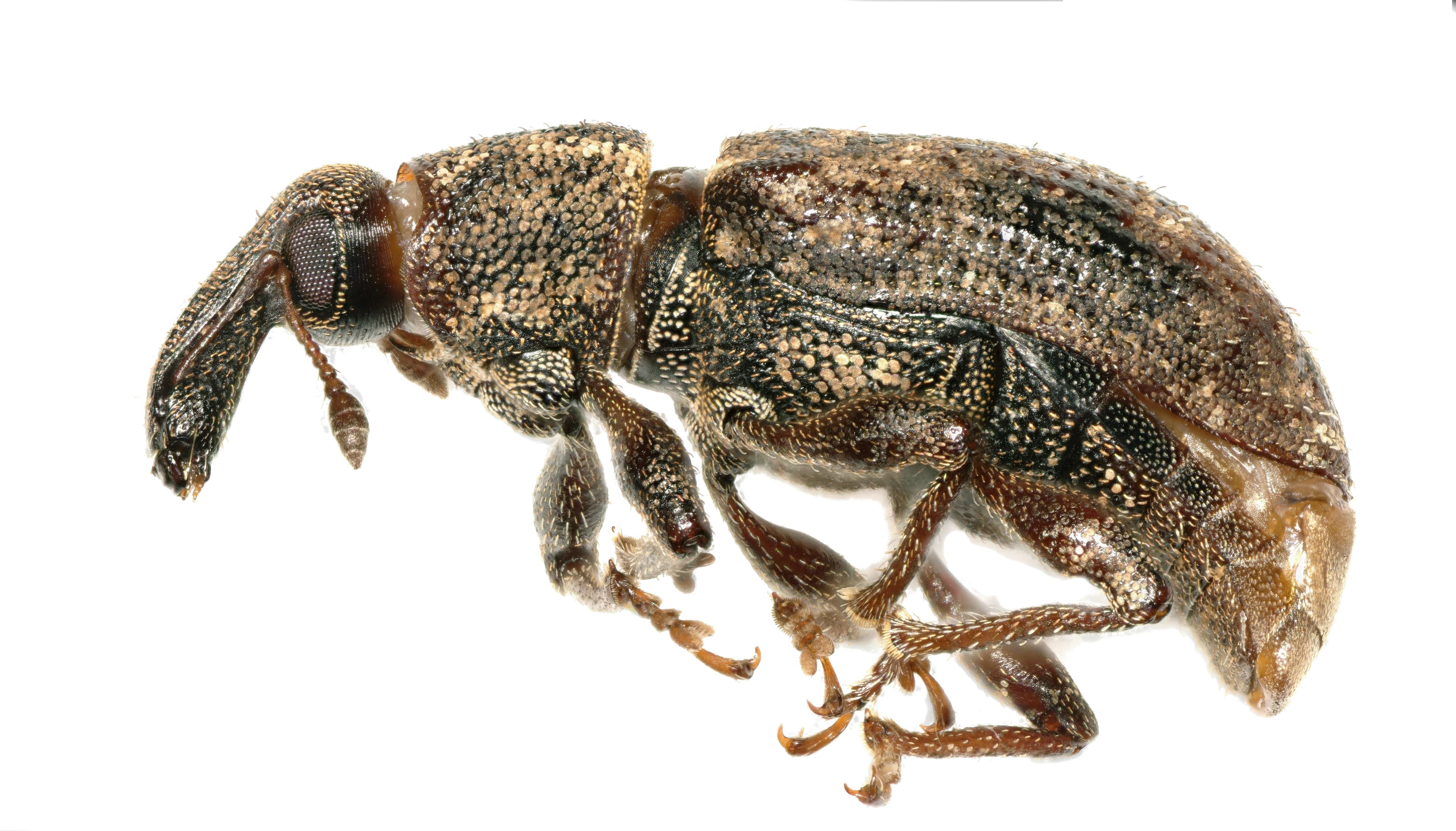
Carrot Weevil
Listronotus oregonensis
A small native weevil that is one of the most damaging pests of carrots, parsley, and celery across the eastern United States and Great Lakes region. The adults nibble foliage and do little harm, but their grubs tunnel down into the crown and root, where they ruin the edible part and open the door to rot.
🎯 Attacks Carrot, Parsnip, Parsley, Celery & more

Pear Psylla
Cacopsylla pyricola
A tiny sap-sucking insect that is the most serious pest of pears, both because it spreads the organism behind pear decline and because it fouls fruit with honeydew. It is notorious for quickly developing resistance to insecticides, so prevention and natural enemies matter more here than spraying.
🎯 Attacks Pear
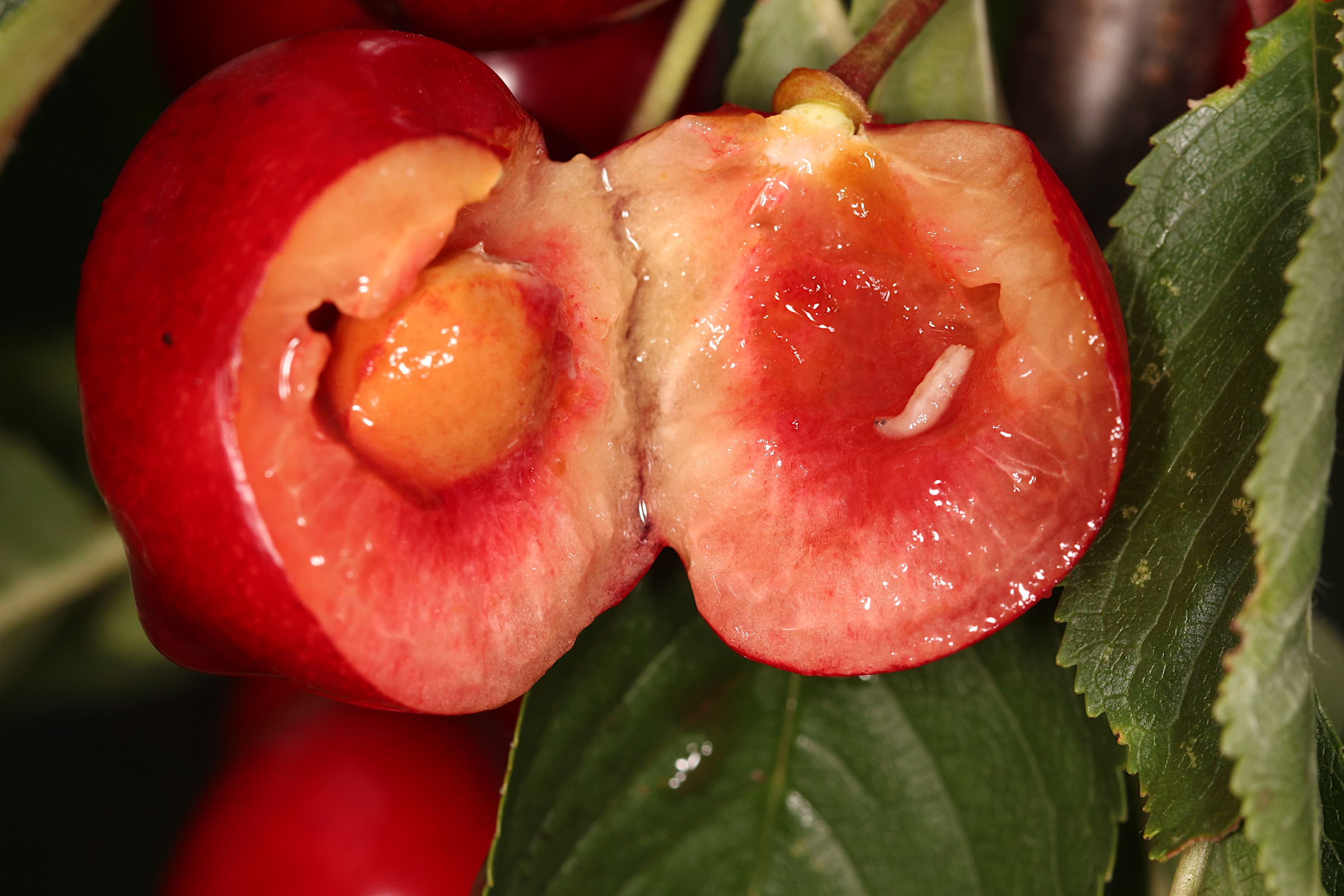
Cherry Fruit Fly
Rhagoletis species
The maggots of these small flies are the classic worm in the cherry. A single generation each summer lays eggs just under the skin of ripening sweet and tart cherries, and the larvae feed inside, contaminating the fruit and making it unfit to eat. Even a few flies can infest most of a backyard crop.
🎯 Attacks Cherry, Chokecherry
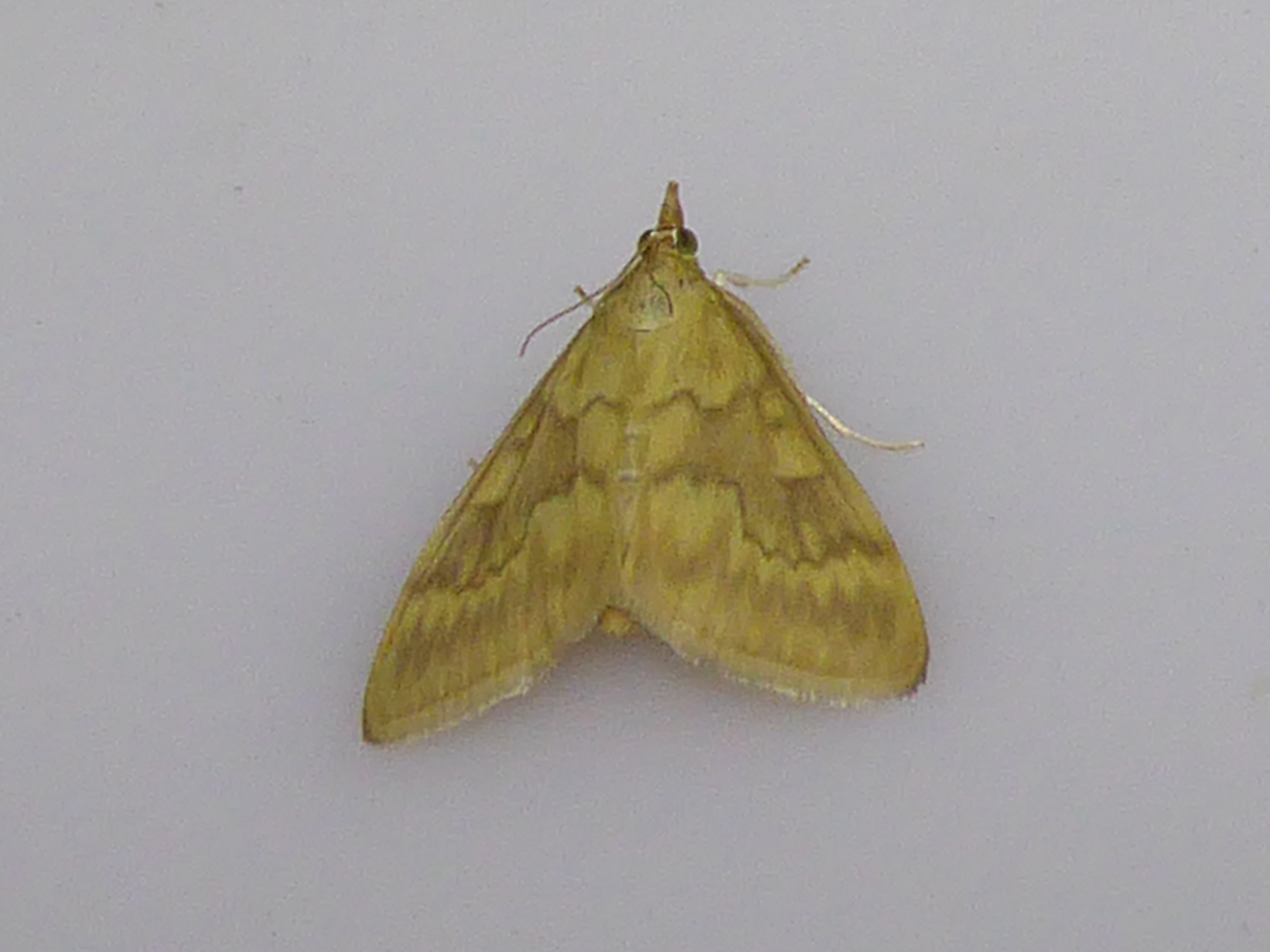
European Corn Borer
Ostrinia nubilalis
A widespread moth whose caterpillars bore into the stalks and ears of corn and also attack peppers, snap beans, and potatoes. By tunneling inside the plant they weaken stalks, break tassels, and open ears and pepper fruit to rot, often feeding out of sight until the damage is done.
🎯 Attacks Aster, Bean, Corn, Dahlia & more
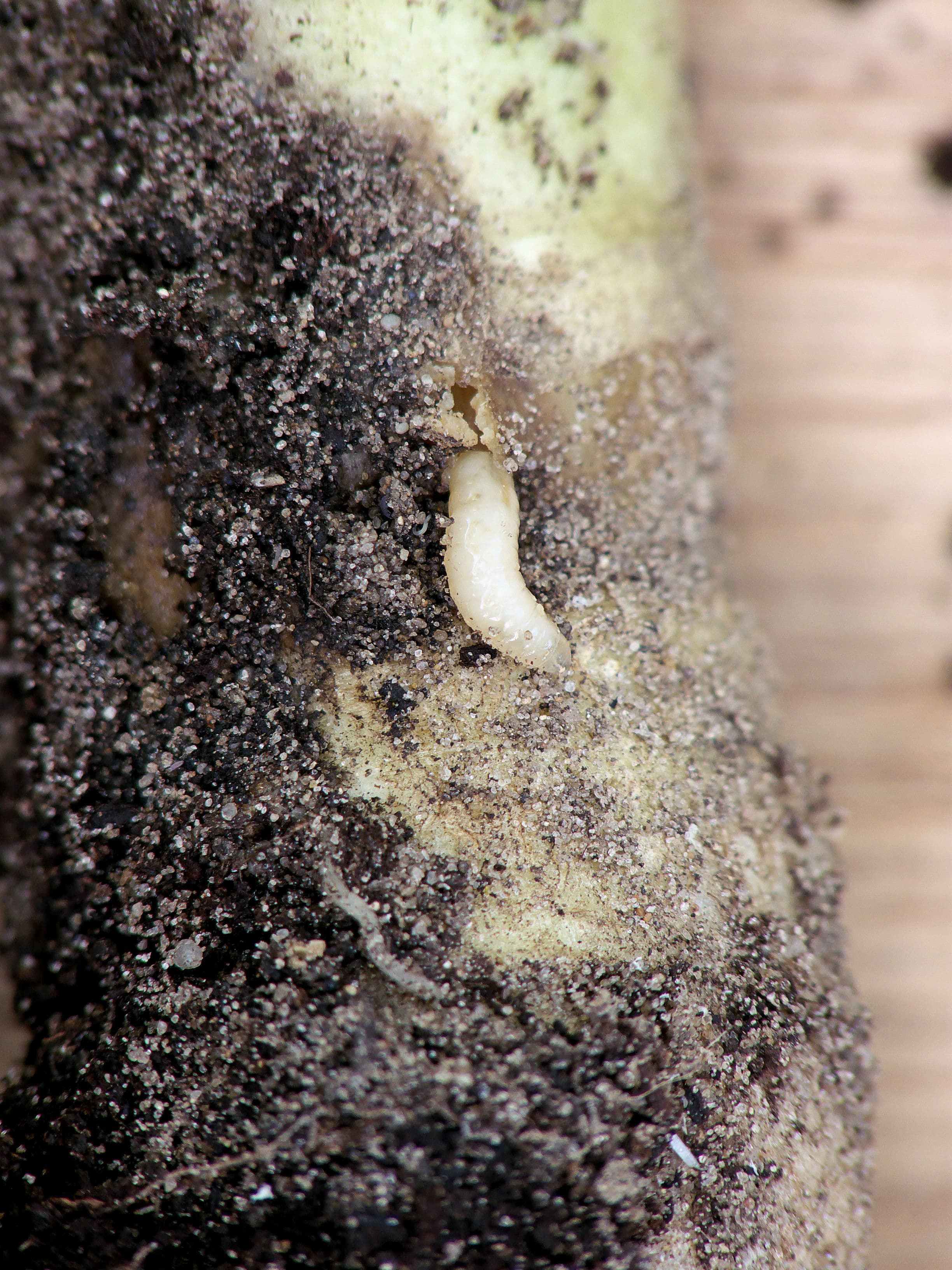
Cabbage Maggot
Delia radicum
The maggot of a gray fly that attacks the roots of cabbage and its relatives, especially cool-season and early transplants. Because the larvae feed underground on the roots, the first sign is often a plant that suddenly wilts, stunts, or topples for no visible reason above the soil.
🎯 Attacks Arugula, Broccoli, Cabbage, Cauliflower & more

Parsleyworm
Papilio polyxenes
The bright green, black-banded caterpillar of the eastern black swallowtail butterfly, which feeds on the leaves of parsley, dill, fennel, carrot tops, and other members of the carrot family. Many gardeners tolerate it because it grows into a prized native butterfly, but a few large caterpillars can strip a small herb planting fast.
🎯 Attacks Anise, Caraway, Carrot, Celeriac & more

Leaf-Footed Bug
Leptoglossus species
A group of large, sap-sucking true bugs named for the small leaf-like flares on their hind legs. They pierce fruit, nuts, and seeds with a long beak, and in gardens they are common pests of tomatoes, pomegranates, and many tree fruits, where their feeding spots and blemishes the harvest.
🎯 Attacks Apple, Apricot, Aronia, Atemoya & more

Emerald Ash Borer
Agrilus planipennis
A metallic-green wood-boring beetle from Asia whose larvae tunnel beneath the bark of ash trees, cutting off the flow of water and nutrients and killing nearly every untreated ash within a few years of infestation. It is one of the most destructive forest and landscape pests in North America and has killed tens of millions of ash trees.
🎯 Attacks Ash

Grape Phylloxera
Daktulosphaira vitifoliae
A tiny aphid-like insect that feeds on the roots and leaves of grapevines and is one of the most important grape pests in the world, infamous for devastating European vineyards in the nineteenth century. The root-feeding form is the damaging one, slowly stunting and killing vines on their own roots, which is why most grapes are grown grafted onto resistant rootstocks.
🎯 Attacks Grape

Cowpea Curculio
Chalcodermus aeneus
A small, hump-backed black snout beetle that is the most serious pest of southern peas, or cowpeas, in the southeastern United States. The adults puncture pods and the grubs feed on the developing seeds inside, so even modest beetle numbers can ruin and contaminate a large share of the crop.
🎯 Attacks Bean, Edamame, Pea

Rhubarb Curculio
Lixus concavus
A large, rusty-looking snout beetle that feeds on rhubarb stalks in early summer, puncturing them to feed and lay eggs. Curiously, rhubarb is a trap the beetle cannot actually breed in; its grubs only complete development in weeds like curly dock and thistle, so cleaning up those weeds is the key to control.
🎯 Attacks Rhubarb

Bagworms
Thyridopteryx ephemeraeformis
The caterpillars of a moth that build and live inside a tough, spindle-shaped bag woven from silk and bits of the plant they feed on. They attack many trees and shrubs but are most damaging on evergreens such as juniper, arborvitae, cedar, and spruce, where heavy feeding can defoliate and kill the plant.
🎯 Attacks Alder, Ash, Aspen, Basswood & more

Bark Beetles
Ips and Dendroctonus species
A group of small beetles whose adults and grubs tunnel and breed in the inner bark of trees, carving galleries that girdle and kill branches or whole trees. They mainly attack conifers such as pine and spruce and tend to overwhelm trees already weakened by drought, injury, or crowding. Some species also carry tree-killing fungi.
🎯 Attacks Alder, Ash, Aspen, Basswood & more

Pea Moth
Cydia nigricana
A small grayish moth whose caterpillars are the maggots in the pod that ruin shelling and snap peas. The female lays eggs on flowering pea plants, and the young caterpillars bore into the pods to eat the developing peas, fouling them with their bodies and frass.
🎯 Attacks Bean, Edamame, Pea
Bulb Mite
Rhizoglyphus and Tyrophagus species
Tiny, shiny, bulb-shaped mites that feed in clusters on the roots and basal plate of onions, garlic, and many flower bulbs, especially in cool, wet soil and in storage. They both feed directly and open the door to rot, so they are a frequent cause of poor stands and of bulbs that decay before or after harvest.
🎯 Attacks Allium, Canna, Chives, Crocosmia & more

Fruit Flies
Anastrepha, Ceratitis, and Bactrocera species
A group of true fruit flies whose females lay eggs under the skin of ripening fruit, where the maggots tunnel and feed and turn the flesh into a soft, brown, inedible mush. They are among the most serious fruit pests in the world, attacking hundreds of kinds of tree fruit, and several are under active quarantine and eradication programs in the United States.
🎯 Attacks Citrus, Guava, Papaya, Mango & more

Bean Leaf Roller
Urbanus proteus
The caterpillar of the long-tailed skipper butterfly, which folds and ties bean leaves into a shelter and feeds from inside it. It is a common warm-season pest of beans, cowpeas, and other legumes across the southern United States, where it can defoliate plants in large numbers, though light feeding is mostly cosmetic.
🎯 Attacks Snap Bean, Lima Bean, Cowpea, Navy Bean & more
Seed Corn Maggot
Delia platura
A small fly whose maggots tunnel into sprouting seeds and seedlings in cool, wet spring soil, hollowing out the seed before it can emerge. It is a common cause of poor, gappy stands of beans, corn, peas, and many other vegetables, especially in rich soil where manure or green matter was recently turned under.
🎯 Attacks Bean, Corn, Pea, Squash & more

Three-Lined Potato Beetle
Lema daturaphila
A small striped leaf beetle that is the main insect pest of tomatillo and husk cherry, where both the adults and the slug-like larvae chew the foliage. It is often mistaken for the more famous Colorado potato beetle but is slimmer and striped lengthwise, and it rarely bothers potato or tomato seriously.
🎯 Attacks Tomatillo, Ground Cherry, Potato, Tomato

Poplar Borer
Saperda calcarata
A large long-horned beetle whose grubs tunnel in the trunks and large limbs of aspen, poplar, cottonwood, and willow, weakening the wood and opening it to decay and breakage. It is one of the most damaging borers of aspen and poplar in much of North America, and repeated attacks can deform or kill a tree over several years.
🎯 Attacks Quaking Aspen, Poplar, Cottonwood, Willow & more

Persimmon Psylla
Trioza diospyri
A tiny sap-sucking insect whose nymphs feed on the new growth of persimmon, curling and stunting the young leaves. It is mostly a pest of tender spring flushes on wild and cultivated persimmon, and while it rarely kills a tree, heavy infestations distort the foliage and slow the growth of young trees.
🎯 Attacks American Persimmon, Asian Persimmon

Oriental Fruit Moth
Grapholita molesta
A small moth whose caterpillars first bore into tender shoot tips and later tunnel into the fruit of peach, nectarine, and other stone fruit, making them a leading wormy-fruit pest of orchards. With several overlapping generations a year, it can wilt shoots in spring and ruin fruit at harvest.
🎯 Attacks Peach, Nectarine, Apricot, Plum & more

Sweet Potato Weevil
Cylas formicarius
The single most destructive pest of sweet potato worldwide, a small ant-like weevil whose grubs tunnel through the storage roots and vines. Even light feeding triggers the plant to fill the roots with bitter, foul compounds that make them inedible, so a small infestation can spoil a large share of the crop.
🎯 Attacks Sweet Potato

Banana Weevil
Cosmopolites sordidus
The most important insect pest of banana and plantain, a dark nocturnal weevil whose grubs bore through the corm at the base of the plant. The tunneling starves and topples plants, and heavy attacks on a new planting can cause it to fail outright, with yield losses that can exceed half the crop.
🎯 Attacks Banana, Plantain

Narcissus Bulb Fly
Merodon equestris
A bee-mimicking hover fly whose single fat maggot eats out the center of a daffodil or other bulb, so the bulb rots or sends up only weak grassy leaves with no flower. It is the most damaging pest of daffodils and also attacks other amaryllis-family bulbs such as amaryllis, snowdrop, and nerine.
🎯 Attacks Daffodil, Narcissus, Amaryllis, Snowdrop

Walnut Husk Fly
Rhagoletis completa
A fly whose maggots tunnel through the husk surrounding developing walnuts, turning it into a soft black mush that stains and degrades the nut inside. It is the main insect pest of walnuts across much of the West, and a single generation a year can ruin a large share of a backyard crop if the husks are not protected.
🎯 Attacks Walnut, Butternut, Heartnut
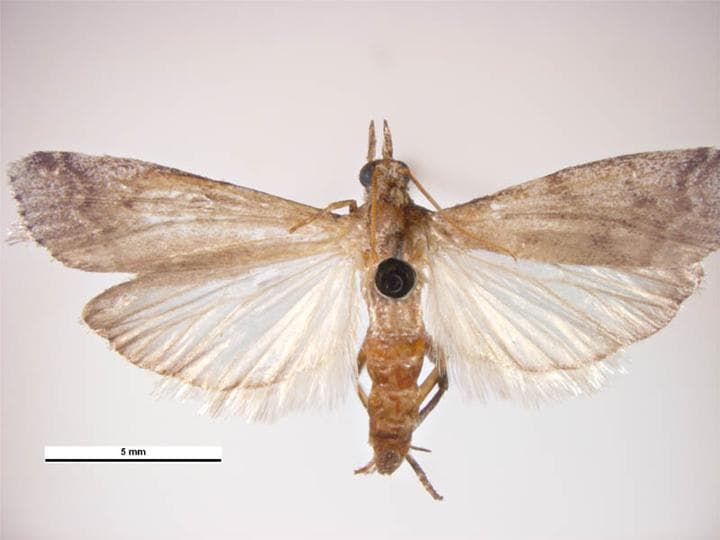
Navel Orangeworm
Amyelois transitella
A small mottled moth whose larvae bore into and feed in the nutmeat of almond, pistachio, and walnut and the fruit of fig and pomegranate, filling them with frass and webbing. It is the most damaging insect pest of California almonds and pistachios, and its feeding also opens the way for molds that produce harmful aflatoxins.
🎯 Attacks Almond, Pistachio, Walnut, Fig & more

Peach Twig Borer
Anarsia lineatella
A small moth whose larvae bore into the tender shoot tips of peach and other stone fruit in spring and tunnel into the fruit later in the season. Shoot feeding wilts and kills new growth on young trees, while fruit feeding leaves a worm and brown frass near the stem at harvest.
🎯 Attacks Peach, Nectarine, Plum, Apricot & more

Persimmon Borer
Sannina uroceriformis
A native clearwing moth whose larvae bore in the lower trunk and roots of American persimmon, tunneling through the cambium and into the taproot. It matters most in fruit growing because American persimmon is widely used as the rootstock for grafted Asian persimmon, and a girdled rootstock can weaken or kill the grafted tree.
🎯 Attacks Persimmon

Pecan Weevil
Curculio caryae
A brown snout weevil that is one of the most serious late-season pests of pecan and hickory, attacking the nuts in two ways. Adults feed on the nuts before the shell hardens and cause them to drop, while the grubs feed inside hardened nuts and destroy the kernel.
🎯 Attacks Pecan, Hickory
Annona Seed Borer
Bephratelloides cubensis
A tiny wasp that is the most important pest of atemoya and sugar apple in Florida, whose larvae develop only inside the seeds of Annona fruit. The adults chew their way out through the fruit wall, leaving small holes that let in decay organisms and other insects and spoil the fruit.
🎯 Attacks Atemoya, Soursop, Cherimoya
Persea Mite
Oligonychus perseae
A tiny spider mite that is a common pest of avocado, feeding in silk-covered colonies on the underside of the leaves. Heavy feeding causes brown spots and premature leaf drop that can expose fruit to sunburn and lower the next season crop, though backyard trees often tolerate it.
🎯 Attacks Avocado

Avocado Leafroller
Amorbia cuneana
The caterpillar of a tortricid moth, also called the western avocado leafroller, that ties leaves together or ties leaves to fruit with silk and feeds inside the shelter. It is mainly a pest of avocado, and most feeding is on foliage, but scarring of the fruit surface is what causes economic loss.
🎯 Attacks Avocado, Laurel

Balsam Woolly Adelgid
Adelges piceae
A tiny introduced insect that covers itself in white wool while feeding on the bark of true firs, injecting saliva that disrupts the wood the tree builds. It is a major killer of Fraser fir in the southern Appalachians and a serious threat to fir Christmas tree growers and landscape firs.
🎯 Attacks Fir

Spruce Budworm
Choristoneura fumiferana
The larva of a small native moth and the most destructive defoliator of fir and spruce in northern and eastern forests. The caterpillars mine the buds and then strip the new needles, and several years of heavy feeding can kill the top of a tree or the whole tree.
🎯 Attacks Fir

Bay Sucker
Trioza alacris
A sap-sucking psyllid that feeds on bay laurel, causing the leaf edges to thicken, curl downward, and yellow into tubular galls. The damage is mainly disfiguring on a culinary or ornamental bay, and a healthy tree tolerates it, but heavy infestations make the foliage unsightly.
🎯 Attacks Laurel

Common Stalk Borer
Papaipema nebris
The caterpillar of a native moth that bores into the stems of corn and a very wide range of thick-stemmed herbaceous plants, tunneling inside and causing the top to wilt. It often moves from grassy weeds and field edges into a garden, where a single borer can ruin a prized stem.
🎯 Attacks Abelia, Agapanthus, Ageratum, Agrimony & more

Canna Leafroller
Calpodes ethlius
The caterpillar of the Brazilian skipper, the most destructive pest of canna in the warm South, which folds and ties the leaves with silk and feeds inside the roll. Heavy feeding shreds the foliage and ruins the appearance of a canna bed.
🎯 Attacks Canna

Walnut Caterpillar
Datana integerrima
A native moth whose caterpillars feed in large groups on walnut, pecan, hickory, and butternut, capable of stripping whole limbs or small trees of their leaves. The colonies have a habit of crawling down to the trunk in a mass to molt, leaving conspicuous clusters on the bark.
🎯 Attacks Walnut, Pecan, Hickory, Butternut

Boxwood Mite
Eurytetranychus buxi
A tiny spider mite specific to boxwood that feeds on the leaves and stipples them with fine scratch-like marks. Heavy populations bronze and discolor the foliage and can cause leaf drop, with the worst damage on plants in full sun.
🎯 Attacks Boxwood

Boxwood Psyllid
Cacopsylla buxi
The most common insect pest of boxwood, a small sap-sucking psyllid whose nymphs make the new leaves cup. The damage is mainly cosmetic, slowing and distorting the spring flush, and established boxwoods tolerate it well.
🎯 Attacks Boxwood

Lychee Erinose Mite
Aceria litchii
A microscopic eriophyid mite that is a serious pest of lychee, causing velvety hairy galls called erinea to form on the new growth. Heavy infestations distort leaves, flowers, and fruit and can sharply cut fruit production.
🎯 Attacks Lychee

Green Fig Beetle
Cotinis mutabilis
A large metallic green scarab beetle whose adults feed on ripe, soft fruit such as figs, often gathering on the fruit in noisy clusters in late summer. The grubs live in compost and rich organic matter and do not harm plants, so the damage is from the fruit-feeding adults.
🎯 Attacks Apricot, Blackberry, Boysenberry, Fig & more

Dried Fruit Beetle
Carpophilus hemipterus
A small sap beetle that swarms to overripe, split, and fermenting fruit, where it feeds and breeds and spreads souring and decay organisms. It is a common nuisance on ripening figs and stone fruit and on dried fruit, building up as the warm season goes on.
🎯 Attacks Apple, Apricot, Calamondin, Cherry & more

Large Milkweed Bug
Oncopeltus fasciatus
A boldly orange-and-black true bug that feeds almost entirely on the seeds and pods of milkweed, including butterfly weed. It does little harm to the plant itself and is largely a seed feeder, so it is more a curiosity of the milkweed patch than a damaging pest.
🎯 Attacks Butterfly Weed

Artichoke Plume Moth
Platyptilia carduidactyla
A small buff-colored moth whose larvae bore into the leaves, stalks, buds, and crowns of artichoke, making it the main insect pest of the crop where artichokes are grown as perennials. Tunneled, frass-filled buds are ruined for eating.
🎯 Attacks Artichoke

Asian Citrus Psyllid
Diaphorina citri
A tiny mottled-brown sap-sucking insect that feeds on the new growth of citrus and close relatives. Its real importance is as the vector of huanglongbing, or citrus greening, an incurable bacterial disease that has devastated citrus worldwide.
🎯 Attacks Orange, Lemon, Lime, Grapefruit & more

Viburnum Leaf Beetle
Pyrrhalta viburni
A yellowish-brown beetle whose larvae and adults both feed only on viburnums, skeletonizing the leaves in spring and chewing holes in summer. Repeated defoliation over a few years can weaken and kill a shrub.
🎯 Attacks Viburnum

Lily Leaf Beetle
Lilioceris lilii
A bright scarlet beetle whose adults and larvae feed only on true lilies and fritillaries and can defoliate a plant completely. The slug-like larvae carry a shield of their own excrement on their backs.
🎯 Attacks Lily

Iris Borer
Macronoctua onusta
The most destructive pest of iris, a pinkish caterpillar that tunnels down the leaves and into the rhizome, where its feeding opens the door to bacterial soft rot. A badly bored rhizome turns to foul-smelling mush.
🎯 Attacks Iris

Lilac/Ash Borer
Podosesia syringae
A clearwing moth that mimics a harmless wasp as an adult and whose larvae bore into the lower trunks and stems of lilac, ash, and privet. Tunneling in the wood restricts water and nutrients, causing dieback, swelling, cracking, and easily broken stems.
🎯 Attacks Lilac, Ash, Privet

Bronze Birch Borer
Agrilus anxius
A slender bronze beetle whose larvae tunnel beneath the bark of birch, girdling branches and killing trees from the top down. Stressed and sun-exposed birches are the most vulnerable, and white-barked species suffer worst.
🎯 Attacks Birch
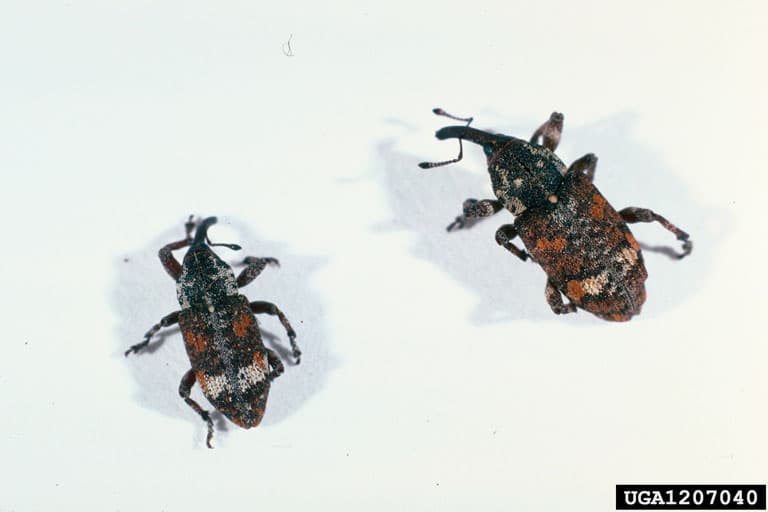
White Pine Weevil
Pissodes strobi
A small snout beetle whose larvae kill the topmost shoot of white pine, spruce, and other conifers, producing a wilted, drooping leader shaped like a shepherds crook. Repeated attacks leave trees crooked and bushy.
🎯 Attacks Fir, Pine

Sunflower Beetle
Zygogramma exclamationis
A small cream-and-brown striped leaf beetle, one of the most damaging defoliators of cultivated sunflower. Adults shot-hole the leaves and the humpbacked larvae chew larger windows, mostly hitting young plants.
🎯 Attacks Sunflower

Dogwood Borer
Synanthedon scitula
A small clearwing moth, a wasp mimic as an adult, whose larvae bore under the bark of dogwood, apple, and several other trees, entering through wounds and rough bark. Sustained tunneling can girdle and kill branches or whole trees.
🎯 Attacks Dogwood, Apple, Pecan, Elm & more

Twobanded Japanese Weevil
Pseudocneorhinus bifasciatus
A small, flightless brown weevil with a very broad appetite, chewing notches in the leaf margins of more than a hundred kinds of landscape plants. Every individual in the United States is female and lays viable eggs without mating, so populations build quietly.
🎯 Attacks Azalea, Barberry, Beautyberry, Bougainvillea & more

Hickory Shuckworm
Cydia caryana
A small gray-black moth whose larvae feed inside the shucks and nuts of pecan and hickory. Early-season feeding drops young nuts, and late feeding ruins kernel fill and makes the shuck stick to the shell.
🎯 Attacks Pecan, Hickory

Tobacco Budworm
Chloridea virescens
A caterpillar that bores into the flower buds of geranium, petunia, nicotiana, and other ornamentals, eating the developing petals from inside so the blooms never open. It is often called the geranium budworm for its favorite host.
🎯 Attacks Abelia, Agapanthus, Ageratum, Allium & more

Palmetto Weevil
Rhynchophorus cruentatus
The largest weevil in North America, a big black or red snout beetle whose grubs bore into the crown of stressed, wounded, or recently transplanted palms. By the time the crown collapses and the top folds over, the palm is usually beyond saving.
🎯 Attacks Palmetto, Palm, Coconut

Genista Broom Moth
Uresiphita reversalis
A moth whose gregarious caterpillars feed in groups on false indigo, broom, lupine, and other legumes, loosely webbing the shoot tips and stripping the foliage. Established plants such as baptisia usually recover and rebloom despite repeated defoliation.
🎯 Attacks Indigo, Lupine

Chestnut Weevil
Curculio sayi, C. caryatrypes
The main insect pests of chestnuts, two native long-snouted weevils whose grubs develop hidden inside the nuts. Infested nuts look fine at harvest but soon show exit holes as cream-colored larvae chew their way out, ruining the crop for eating and storage.
🎯 Attacks Chestnut

Asian Chestnut Gall Wasp
Dryocosmus kuriphilus
A tiny wasp that is considered the most serious insect pest of chestnut worldwide. Its larvae force the tree to grow green or rose-colored galls on buds, shoots, and leaves in spring, which stunt growth and sharply cut nut production.
🎯 Attacks Chestnut

Leek Moth
Acrolepiopsis assectella
A small moth whose caterpillars mine and tunnel the leaves of onion-family crops, with leek as the favorite host. The larvae bore toward the center of the plant, leaving windowpane streaks and pinholes that ruin leeks and open onions and garlic to rot.
🎯 Attacks Allium, Chives, Garlic, Leek & more

Sparganothis Fruitworm
Sparganothis sulfureana
A leaf-rolling caterpillar that is a major pest of cranberry and also attacks blueberry. The larvae web leaves together and then bore into developing fruit, hollowing out the berries, and a summer generation does the worst fruit damage.
🎯 Attacks Cranberry, Blueberry

Tea Mosquito Bug
Helopeltis antonii and related species
A small, mosquito-like sucking bug that is one of the most damaging pests of cashew, and of tea, cocoa, and many tropical crops. Both young and adult bugs pierce tender shoots, flower panicles, and young nuts, and their toxic saliva scorches the growth, giving a heavily attacked tree a burnt, blighted look.
🎯 Attacks Cashew, Guava, Mango

Filbert Big Bud Mite
Phytoptus avellanae and Cecidophyopsis vermiformis
Microscopic eriophyid mites that live inside hazelnut (filbert) buds and make them swell into enlarged, rounded big buds that fail to leaf out or flower. They are among the most important pests of hazelnut, sapping the tree of its fruiting wood.
🎯 Attacks Hazelnut

Southern Red Mite
Oligonychus ilicis
A cool-season spider mite that is the most important mite pest of broad-leaved evergreens such as azalea, holly, camellia, and rhododendron. It feeds on the undersides of leaves and bronzes and stipples the foliage, building up in spring and fall.
🎯 Attacks Holly, Inkberry, Azalea, Camellia & more

Jackfruit Shoot Borer
Diaphania caesalis
The major insect pest of jackfruit, a moth whose caterpillars bore into the tender shoots, flower spikes, and fruit. Hidden inside the plant, the larvae rot the growing tips and flowers and tunnel into fruit, deforming or destroying the crop.
🎯 Attacks Jackfruit
Macadamia Felted Coccid
Eriococcus ironsidei
A tiny felted scale insect, related to mealybugs, that has become a serious invasive pest of macadamia. It encrusts stems, leaves, and nuts in large numbers, draining sap and causing yellow spotting, dieback, and dropped flowers and nuts.
🎯 Attacks Macadamia
Tropical Nut Borer
Hypothenemus obscurus
A tiny bark beetle that is one of the most damaging pests of macadamia, boring through the hard shell of the nut to feed inside. Widespread in macadamia orchards, it causes steady losses both before and after harvest by tunneling into the kernel.
🎯 Attacks Macadamia
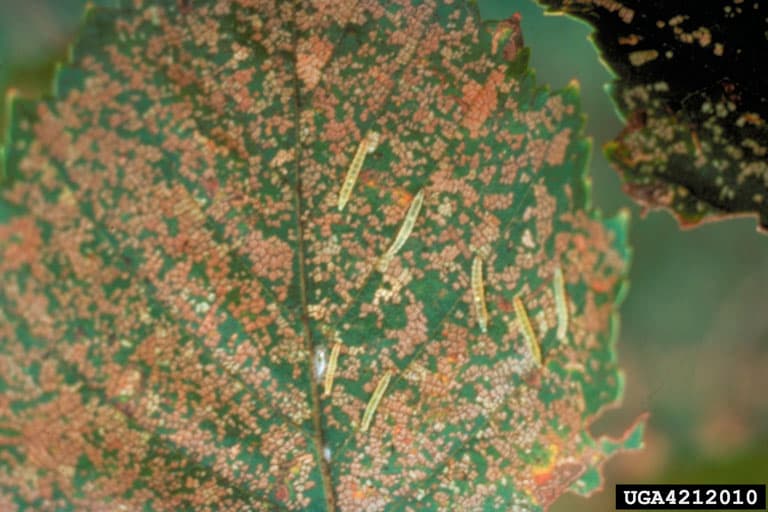
Birch Skeletonizer
Bucculatrix canadensisella
A tiny native moth whose caterpillars skeletonize birch leaves in late summer, eating away the soft tissue and leaving a fine lacework of veins. It is mostly a cosmetic pest of otherwise healthy birches, but heavy years can brown the canopy and cause early leaf drop.
🎯 Attacks Birch

Pinyon Pitch Mass Borer
Dioryctria ponderosae
A snout moth whose larvae bore under the bark of pinyon (and occasionally other) pines, producing the conspicuous globs of pinkish pitch on the trunk and large branches that give the pest its name. It is a serious pest of landscape pinyons, especially trees already stressed by drought or crowding.
🎯 Attacks Pine

Sassafras Weevil
Odontopus calceatus
A small dark weevil, better known as the yellow poplar weevil, that feeds on sassafras, tulip poplar, and magnolia. The adults chew distinctive rice-grain holes in the leaves and the larvae tunnel blotch mines inside them, and in outbreak years the combined damage can make whole trees look scorched.
🎯 Attacks Sassafras

Privet Weevil
Ochyromera ligustri
A small introduced weevil whose adults chew ragged holes in privet leaves and destroy buds, while the grubs develop hidden inside the seeds. It is mainly a cosmetic pest of privet and lilac, leaving plants looking tattered but rarely doing lasting harm.
🎯 Attacks Privet, Lilac

Alder Sawfly
Eriocampa ovata and related species
A group of sawflies whose larvae defoliate alders, including red alder. The most familiar is the woolly alder sawfly, whose larvae are coated in a white woolly wax; along with the striped and green alder sawflies it can strip alder foliage over large areas, thinning and browning the canopy.
🎯 Attacks Alder

Clover Weevils
Sitona hispidulus and related species
Small weevils of clover and other legumes whose adults notch the leaf edges while the more damaging grubs feed below ground on the roots. The clover root curculio is the main one: its root feeding saps plant vigor and opens the door to root rots and wilt in clover and alfalfa.
🎯 Attacks Clover
Willow Sawfly
Nematus ventralis
A sawfly whose striking black-and-orange larvae feed in colonies on willow leaves and can quickly defoliate a plant, leaving only the midribs. It is a common willow pest across North America and also feeds on poplar; sudden outbreaks can strip a small willow in days.
🎯 Attacks Aspen, Poplar, Willow

Mullein Moth
Cucullia verbasci
A moth whose boldly marked caterpillars feed openly on mullein (Verbascum) and related plants, stripping the leaves and flower spikes. The drab adult is easy to overlook, but the conspicuous black-and-yellow caterpillars can defoliate a plant in days. It is a common pest in Britain and Europe.
🎯 Attacks Mullein

Pawpaw Peduncle Borer
Talponia plummeriana
A tiny native moth whose larvae bore into pawpaw flowers, tunneling down the flower stalk and causing the bloom to drop. In ordinary years it merely thins an over-heavy bloom, but in bad years it can destroy much of a pawpaw flower crop and the fruit that would have followed.
🎯 Attacks Pawpaw
Bark-Eating Caterpillar
Indarbela tetraonis and Indarbela quadrinotata
A wood-boring caterpillar, often called the bark borer, that attacks the trunk and main branches of sapodilla and many other fruit and shade trees. The larva hides in a tunnel by day and creeps out at night to graze the bark beneath a sheltering web of silk and chewed-wood frass, slowly sapping the tree of vigor.
🎯 Attacks Guava, Lychee, Mango, Sapodilla

Pomegranate Butterfly
Deudorix (Virachola) isocrates
The most serious pest of pomegranate in India and South Asia, a small butterfly whose caterpillars bore into the developing fruit and feed on the pulp and seeds inside. Hidden within the fruit, the larvae hollow and rot it from the inside, and infestations can ruin a large share of the crop.
🎯 Attacks Pomegranate, Guava