
Pepper Weevil
Anthonomus eugenii
A tiny snout beetle that is one of the most damaging pests of peppers in warm regions, attacking buds and fruit. Its grub develops inside the pepper, causing buds and small fruit to yellow and drop and leaving the remaining pods misshapen and rotten at the core.
🔎 How to spot it
The adult is a dark, robust weevil about an eighth of an inch with a long curved snout. The larvae are small, white, legless grubs found inside the buds and fruit, where they also pupate. Look for flower buds and young pods that yellow and fall, a yellowed calyx on infested fruit, and pods that are misshapen, blotched, and brown or moldy inside.
🥀 Damage it causes
Adults feed on buds, foliage, and fruit, and females lay eggs in buds and pods; the grubs then tunnel and feed inside, so infested buds and small fruit drop, and the pods that hang on become deformed, blotched, and brown and moldy at the core. In bad infestations the great majority of flowers and buds can be lost.
🛡️ Prevent it
Sanitation and rotation are key: destroy pepper plants and pick up dropped buds and fruit as soon as harvest is over so grubs inside them do not mature, and remove nightshade weeds nearby that serve as alternate hosts. Rotate peppers away from where they grew the previous year and start with clean transplants.
🧯 If it is already here
Monitor with pheromone-baited yellow sticky traps to catch the adults early, and remove and destroy dropped and infested fruit and buds promptly to break the cycle, since the grubs inside cannot be reached by sprays. In a home garden, strict sanitation and rotation usually do more than insecticides, which must hit the adults before they lay.
💡 Good to know
The dropping of buds and small fruit is the classic warning sign, often before the adults are ever seen, so trap monitoring and prompt removal of fallen fruit are the heart of control. Because the larvae develop hidden inside the pepper, clearing out infested and dropped fruit denies the next generation its nursery.
🌱 Plants it attacks
31 plants in the library can be attacked by this pest
 Aji Amarillo Pepper
 Anaheim Pepper
 Banana Pepper
 Black Beauty Eggplant
 Carolina Reaper Pepper
 Cayenne Pepper
 Cubanelle Pepper
 Fairy Tale Eggplant
 Fresno Pepper
 Ghost Pepper
 Green Bell Pepper
 Habanero Pepper
 Hungarian Wax Pepper
 Italian Eggplant
 Jalapeño Pepper
 Japanese Eggplant
 Orange Bell Pepper
 Padrón Pepper
 Pimento Pepper
 Poblano Pepper
 Purple Bell Pepper
 Purple Smoke False Indigo
 Red Bell Pepper🍆Rosa Bianca Eggplant
 Scotch Bonnet Pepper
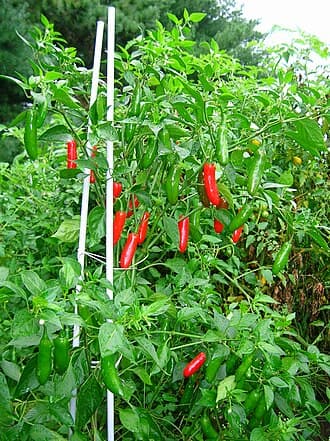 Serrano Pepper
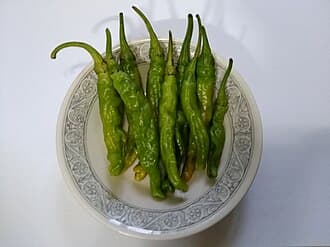 Shishito Pepper
 Sweet Banana Pepper
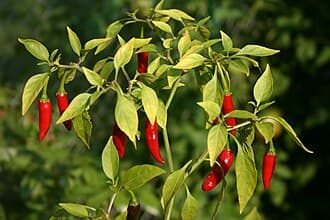 Thai Chili Pepper
 Trinidad Scorpion Pepper
 Yellow Bell Pepper
For educational and informational purposes only. Pest control advice is general guidance drawn from university cooperative extension sources; always identify a pest positively and read and follow the label on any product before use, especially around food crops, children, and pets.