Use with caution
All parts of annual vinca contain vinca alkaloids and are poisonous if eaten. A brief touch is low risk, but consuming the plant can cause vomiting and diarrhea, and large quantities can cause more serious effects on blood pressure and the nervous system. It is also toxic to cats, dogs, and horses. Grow it as an ornamental only and keep it away from children and pets.
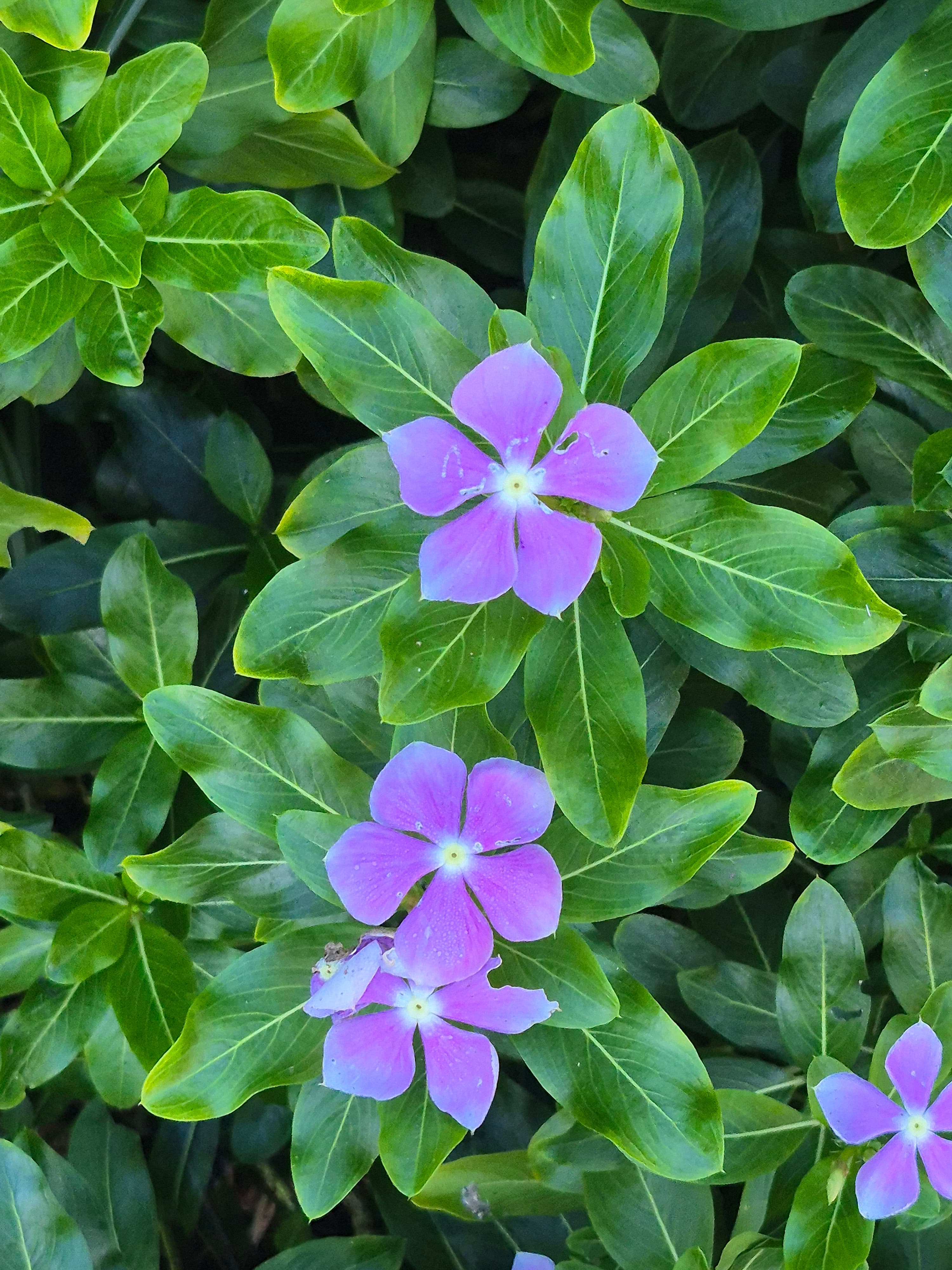
Annual Vinca
Catharanthus roseus
flowerAnnual vinca, also called Madagascar periwinkle, is a tender perennial grown as an annual that blooms relentlessly through the hottest, most humid part of summer. It makes neat, glossy-leaved plants 6 to 18 in tall covered in flat, five-petaled flowers of pink, rose, red, and white, often with a contrasting eye. With moderate to high drought tolerance and a love of heat, it is one of the most trouble-free bedding plants for sunny, baking spots, and modern hybrids need no pinching or deadheading.
☀️
Sun
full sun
💧
Water
Every 5 days
🌸
Bloom
~80 days
📊
Difficulty
easy
🌱
Lifecycle
tender perennial
Perennial in warm zones; grown as an annual where winters freeze
↔️
Spacing
8-12 in apart
⬇️
Planting Depth
Set transplants at the same depth as the cell pack in warm soil
🧪
Soil pH
5.5-6.5
Growing Details
Soil Type
Well-drained; tolerates poor soil
Hardiness Zones
Zones 3 – 11
When to Fertilize
Light feeding monthly; avoid overfeeding
Fertilizer
Balanced general-purpose fertilizer
🌱 Growing Guide
Plant annual vinca in full sun to partial shade in well-drained soil; it tolerates poor, sandy ground and even some drought once established. Do not plant it out until the weather and soil are warm, since it sulks in cold, wet conditions. Water at the base and avoid overwatering, which invites the root and stem diseases that are its main weakness. It is self-cleaning, so no deadheading is required. Where southern bacterial wilt or phytophthora have struck, choose resistant series such as Cora or Nirvana and rotate planting sites.
🌼 Have a different variety?Cultivars of the same species usually share the same basic care, and they differ mainly in flower color, height, and bloom form, not in how you grow them. So this guide still applies even if your exact variety isn't the one shown.
Planting Calendar
Sign in to personalize →🌱
Start seeds indoors
Jan 21
🌿
Transplant outdoors
Apr 29
🌸
Projected first bloom
Jul 18
JJan
FFeb
MMar
AApr
MMay
JJun
JJul
AAug
SSep
OOct
NNov
DDec
✅ Plant alongside
Good neighbors that attract beneficial insects or deter pests
- Lantana: Shares the love of heat, sun, and lean soil for a tough summer combination
- Marigold: A sun-loving annual with the same easy care and pollinator appeal
- Salvia: Adds upright flower spikes and draws pollinators in the same hot beds
🛡️ Pest & disease prevention
Proactive ways to stop trouble before it starts. Tap a name with an arrow for its full guide
Causes sudden wilting and plant collapse; plant resistant series, avoid wet sites, and rotate where you plant it
Phytophthora blight and root rot
Driven by overwatering and poor drainage; plant in well-drained soil and water only at the base
Spots spread in wet foliage; water at the base and give plants room for airflow
🌸 Blooms & cutting
Annual vinca is grown for season-long color and needs no harvest or deadheading. Simply pull and replace plants at the end of the season. If plants stretch, a light trim tidies them; otherwise leave them to bloom through the heat until frost.
🥗 Nutrition & benefits
Annual vinca is an ornamental, not edible, and is in fact poisonous. Its garden value is unmatched heat and drought tolerance, blooming through summer when little else does, with no deadheading. Have a different variety? Cultivars of the same species share the same basic care, so this guide still applies even if your exact color is not shown.
⚠️ Toxicity & safety
All parts of annual vinca contain vinca alkaloids and are poisonous if eaten. A brief touch is low risk, but consuming the plant can cause vomiting and diarrhea, and large quantities can cause more serious effects on blood pressure and the nervous system. It is also toxic to cats, dogs, and horses. Grow it as an ornamental only and keep it away from children and pets.
For educational and informational purposes only. HomeSown is not medical, health, or other professional advice. Always positively identify any plant before handling or eating it; some plants, and some parts of otherwise-edible plants, are toxic. Consult a qualified professional before consuming or otherwise using any plant, especially if you are pregnant, nursing, taking medication, or have a health condition.