
Fire Blight
Erwinia amylovora
A destructive bacterial disease of apple, pear, and their rose-family relatives that makes shoots look scorched, as if burned. Fire blight can kill blossoms, shoots, and whole limbs in a single season and, in a bad year, take down a young tree. It spreads fast in warm, wet spring weather, and prompt pruning is the main defense.
🔎 How to spot it
Look for blossoms and shoots that suddenly wilt, turn brown to black, and die, with the dead leaves clinging to the branch rather than dropping. Infected shoot tips bend over into a distinctive shepherds-crook shape. Branches and the trunk develop dark, sunken, slightly cracked cankers, which may ooze a sticky amber bacterial liquid in warm, humid weather.
🥀 Damage it causes
Fire blight kills flowers, shoots, and branches, and the infection can run down a limb into the trunk and girdle and kill the whole tree, especially young or vigorously growing ones. Beyond the immediate dieback, the cankers it leaves behind carry the bacteria into the next year.
🔬 What causes it
Fire blight is caused by the bacterium Erwinia amylovora, which attacks apple, pear, quince, crabapple, hawthorn, serviceberry, and other rose-family plants. It overwinters in cankers on the tree and, in spring, oozes bacteria that insects, rain, and wind carry to open blossoms and tender shoots. Warm, humid weather during bloom, succulent fast growth, and wounds all favor it.
🛡️ Prevent it
Plant resistant apple and pear varieties and avoid the most susceptible ornamentals. Keep trees in moderate vigor by going easy on nitrogen and on heavy pruning, since lush, fast growth is highly susceptible. Avoid overhead watering. Watch closely during warm, wet bloom periods, and disinfect pruning tools between cuts so you do not spread the bacteria.
🧯 If it is already here
There is no cure, so prune out blighted wood promptly: cut 8 to 12 inches below the visible edge of the infection, ideally in dry weather, and disinfect tools between every cut. Remove and destroy the prunings. Protective blossom sprays of copper or a labeled biological can reduce new infections during bloom, but cutting out strikes quickly is the core of control.
💡 Good to know
The scorched look and the hooked, dying shoot tips are the classic tells of fire blight. Because the bacteria overwinter in cankers, careful dormant-season removal of every blighted branch is what keeps it from exploding again in spring. Pruning during dry weather and sterilizing tools between cuts are essential so you do not spread it as you work.
🌱 Plants it affects
68 plants in the library can be affected by this problem
 Adirondack Blue Potato🥔All Blue Potato
 Amish Paste Tomato
 Anjou Pear
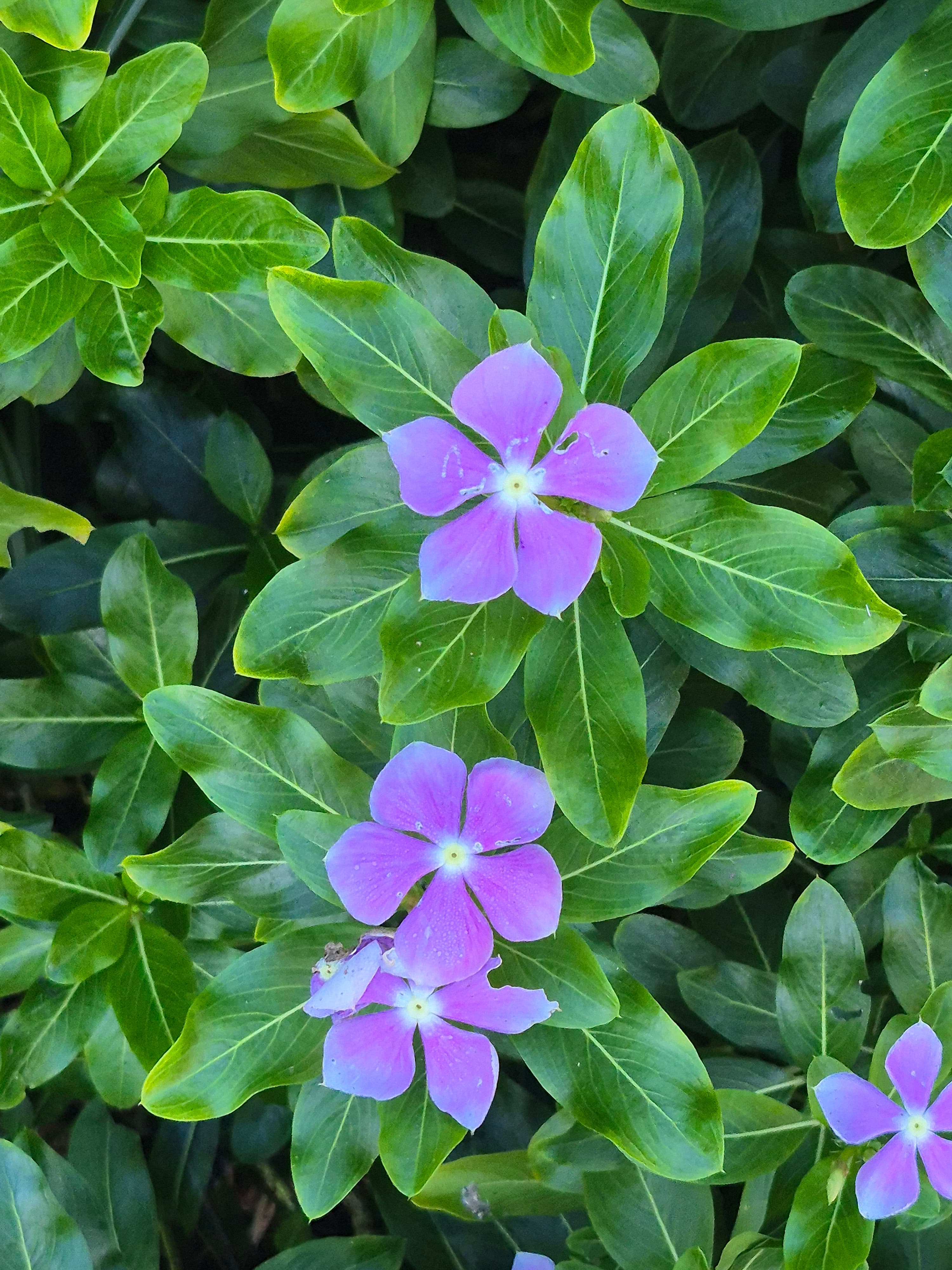 Annual Vinca
 April Tryst Camellia
 Aronia
 Asian Pear
 Bartlett Pear🍅Beefmaster Tomato
 Better Boy Tomato🍅Big Beef Tomato
 Big Boy Tomato
 Black Kabouli Chickpea
 Black Krim Tomato
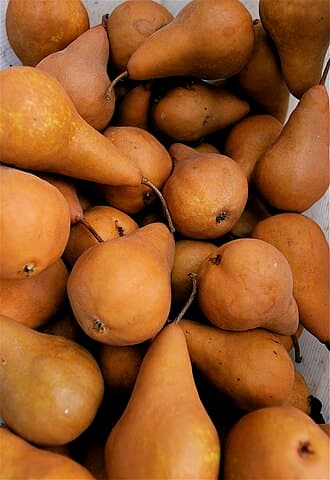 Bosc Pear🍅Box Car Willie Tomato
 Boxwood
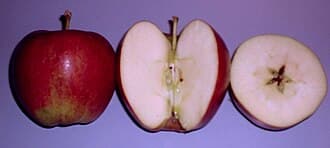 Braeburn Apple
 Brandywine Tomato
 Burning Bush
 California Giant Zinnia
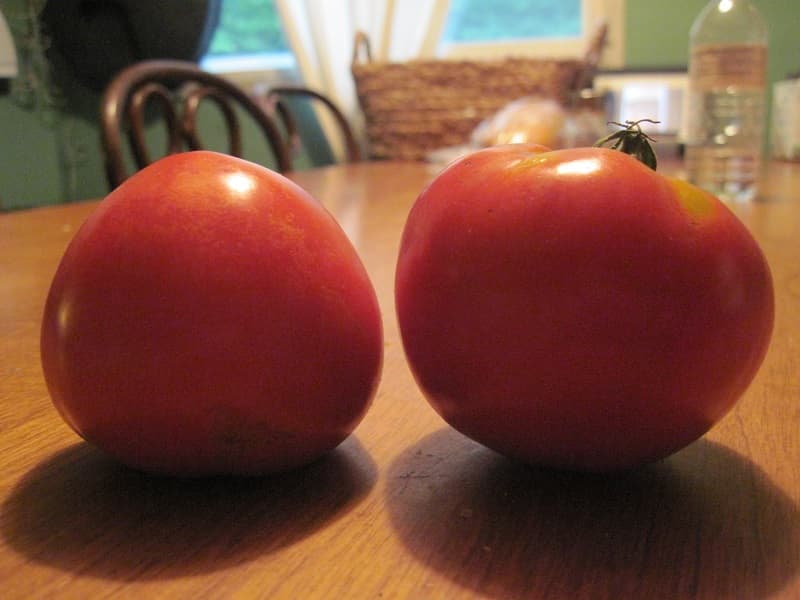 Celebrity Tomato
 Champagne Loquat
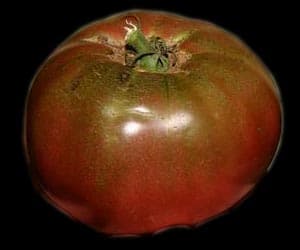 Cherokee Purple Tomato
 Chinese Chestnut
 Cortland Apple
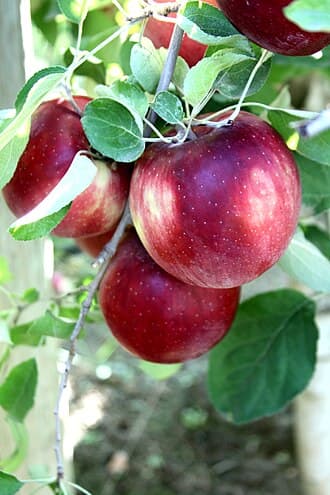 Cosmic Crisp Apple
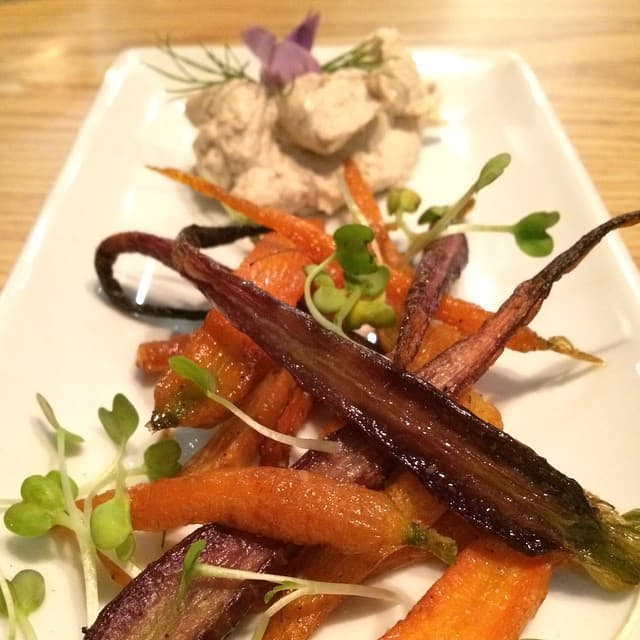 Cosmic Purple Carrot
 Cranberry Cotoneaster
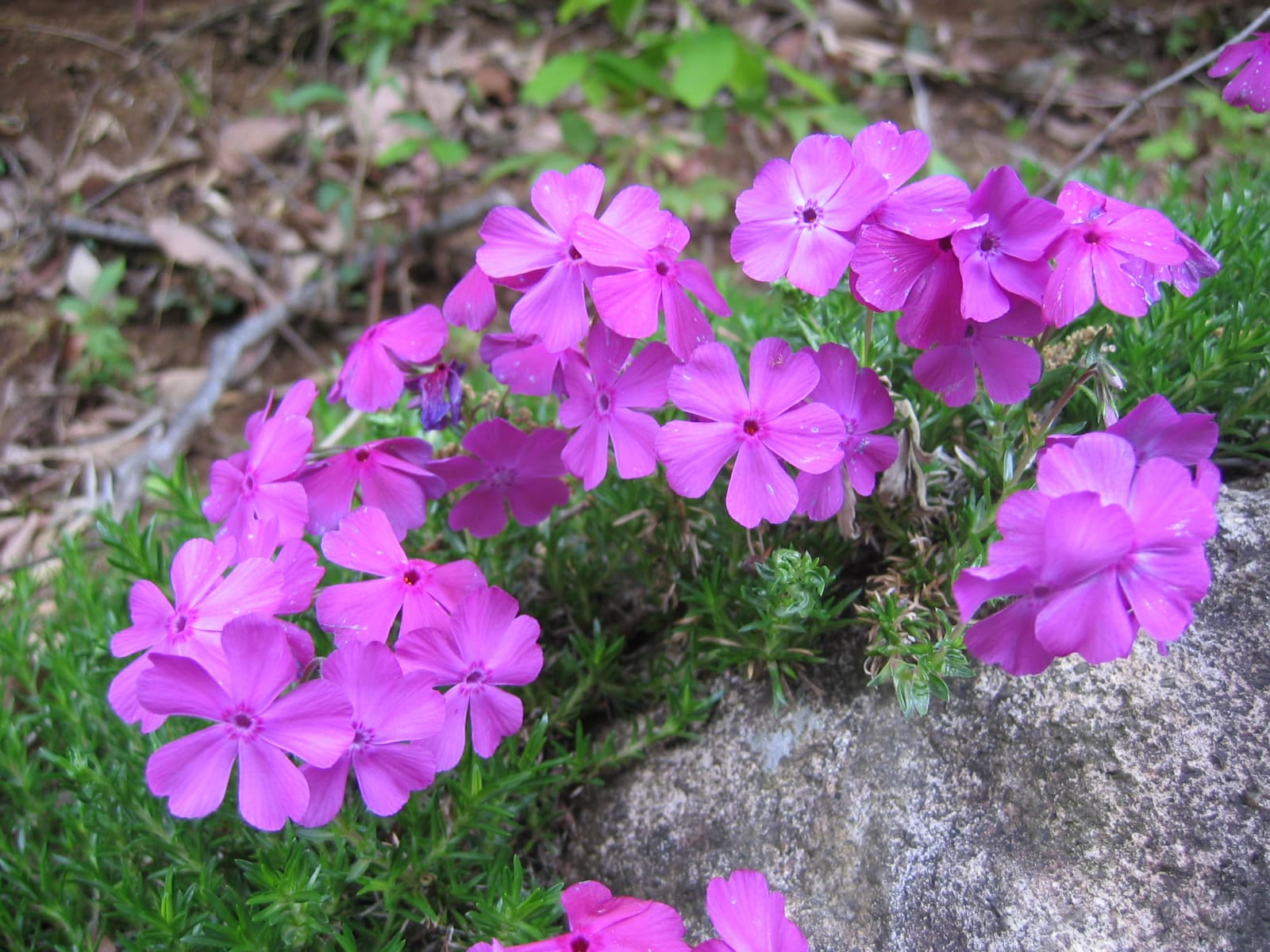 Creeping Phlox
 Cumin
Cumin Early Girl Tomato
 Fingerling Potato
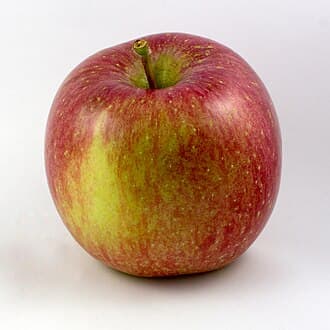 Fuji Apple
 Gala Apple
 German Butterball Potato
 Granny Smith Apple
 Hawthorn
 Hazelnut
 Honeycrisp Apple
 Indian Hawthorn
 Karen Azalea
 Kellogg's Breakfast Tomato
 Kennebec Potato🍅La Roma IV Tomato
 Lemon Boy Tomato
 McIntosh Apple
 Mulberry
 Norland Potato
 Pineapple Tomato
 Pink Lady Apple
 Pistachio
 Prickly Pear🥔Purple Majesty Potato
 Quince
 Red Delicious Apple
 Red Pontiac Potato
 Regent Saskatoon
 Roma Tomato
 Russet Potato🍅Rutgers Tomato
 San Marzano Tomato
 Sarah Bernhardt Peony🍅Striped German Tomato
 Sugar Apple
 Taro
Taro Texas Scarlet Flowering Quince
For educational and informational purposes only. Disease management advice is general guidance drawn from university cooperative extension sources; always identify a problem positively and read and follow the label on any product before use, especially around food crops, children, and pets.