
Bacterial Wilt
Erwinia tracheiphila
A bacterial disease of cucumbers, melons, and squash that clogs the plant water-conducting tissue and wilts it to death, spread by cucumber beetles. There is no cure once a plant is infected, so the whole battle is keeping the beetles that carry it off the plants. It can wipe out cucumbers and muskmelons especially fast.
🔎 How to spot it
Look for individual leaves, then whole vines, that wilt and collapse, at first recovering overnight but soon wilting permanently and dying, while the rest of the plant may still look green. A simple field test: cut a wilted stem, touch the cut ends together, and slowly draw them apart; sticky, white, stringy ooze stretching between them points to bacterial wilt.
🥀 Damage it causes
The bacteria multiply in and plug the water-conducting tissue, so infected plants wilt and die, often just as they start to produce. Cucumbers and muskmelons are hit hardest and can be killed outright; squash and pumpkins are more tolerant. A few infected plants early can cost most of the crop.
🔬 What causes it
Bacterial wilt is caused by the bacterium Erwinia tracheiphila, which overwinters inside striped and spotted cucumber beetles. The beetles introduce it as they feed, dropping infected frass into the fresh wounds, and the bacteria then spread through the plant water-conducting tissue. Symptoms appear one to three weeks after the beetles feed, so the damage trails the insects.
🛡️ Prevent it
Since the disease rides on cucumber beetles, controlling them is the only real prevention: cover young plants with floating row cover until flowering, then remove it for pollination, and scout and manage beetles aggressively early in the season when plants are small and most attractive. Choose tolerant cucurbits, such as most squash, and resistant cucumber varieties where available.
🧯 If it is already here
There is no cure once a plant is infected, so remove and destroy wilting plants promptly, by burning where allowed or burying, and never compost them, so they do not feed more beetles. Sprays do not help an infected plant. All the leverage is in keeping beetles off healthy plants from the start.
💡 Good to know
The stringy white ooze from a cut stem is the classic confirmation of bacterial wilt and separates it from Fusarium or simple drought wilt. Because the pathogen lives in the beetles rather than the soil, the disease follows the insects, which is why early, thorough cucumber beetle control is the entire game.
🌱 Plants it affects
121 plants in the library can be affected by this problem
 Acorn Squash
 Adirondack Blue Potato
 Aji Amarillo Pepper🥔All Blue Potato
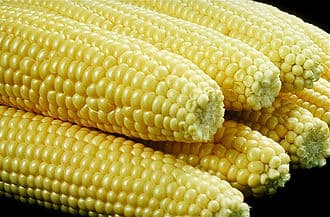 Ambrosia Corn
 Amish Paste Tomato
 Anaheim Pepper
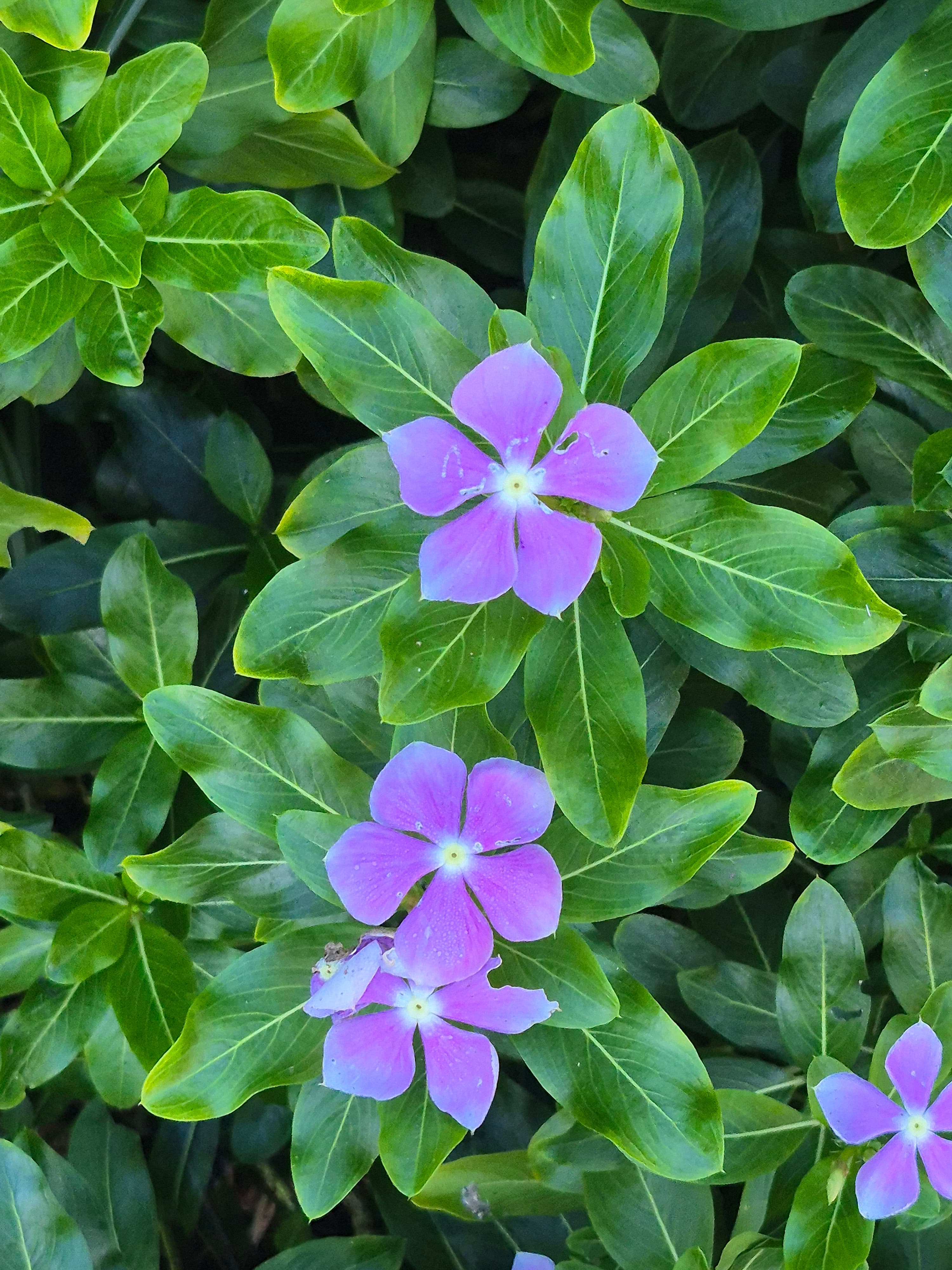 Annual Vinca
 Armenian Cucumber
 Atlantic Giant Pumpkin
 Banana Pepper
 Beauregard Sweet Potato🍅Beefmaster Tomato
 Better Boy Tomato🍅Big Beef Tomato
 Big Boy Tomato
 Bitter Melon
 Black Beauty Eggplant
 Black Beauty Zucchini
 Black Cherry Tomato🍉Black Diamond Watermelon
 Black Krim Tomato🥒Boston Pickling Cucumber🍅Box Car Willie Tomato
 Brandywine Tomato
 Buttercup Squash
 Butternut Squash
 Cantaloupe
 Carolina Reaper Pepper
 Casaba Melon
 Cayenne Pepper
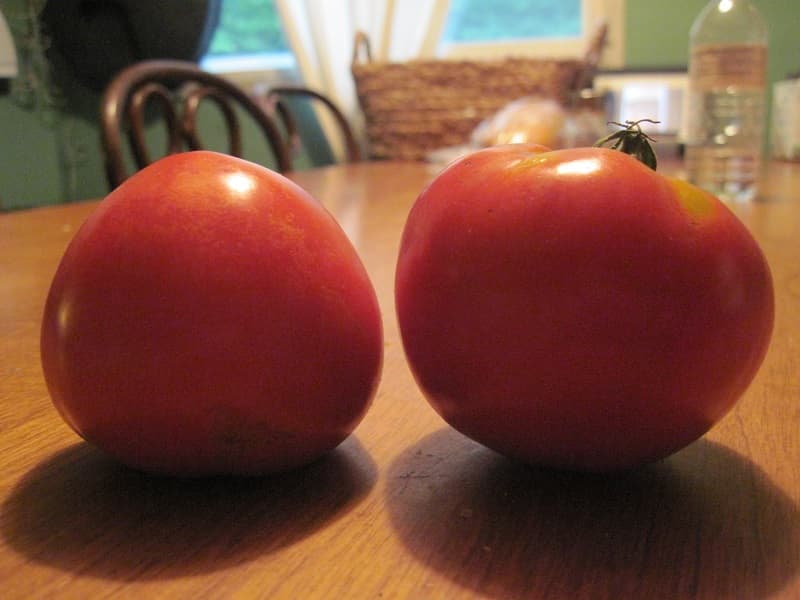 Celebrity Tomato
 Charleston Gray Watermelon
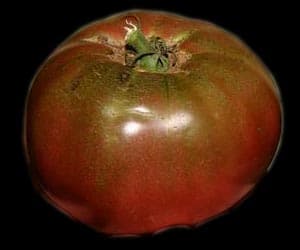 Cherokee Purple Tomato
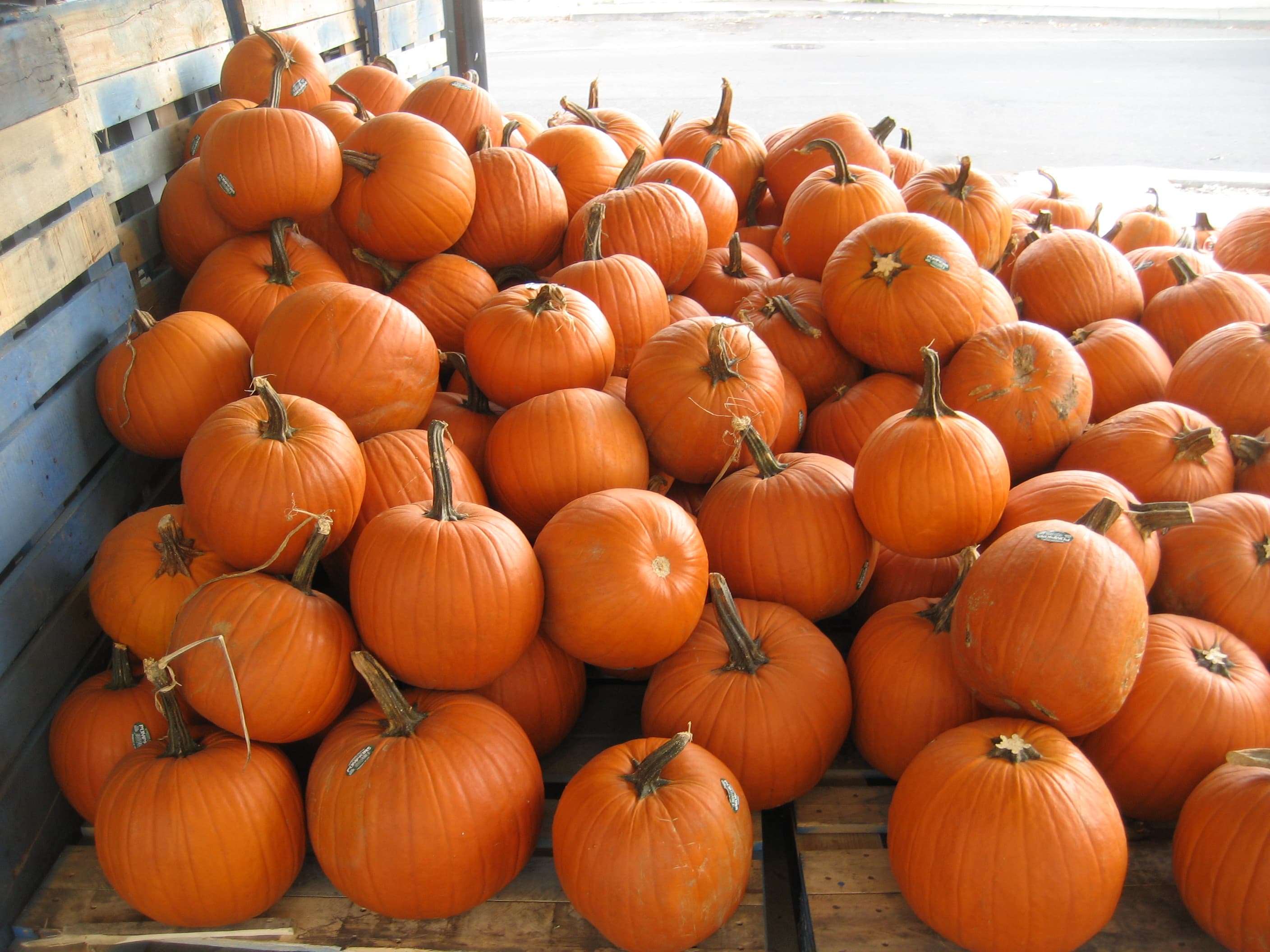 Cinderella Pumpkin
 Costata Romanesco Zucchini
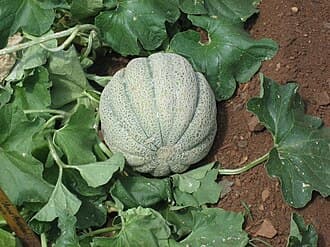 Crenshaw Melon
 Crimson Sweet Watermelon
 Cubanelle Pepper
 Delicata Squash🥒Diva Cucumber
 Early Girl Tomato🥒English Cucumber
 Fairy Tale Eggplant
 Fanal Astilbe
 Fingerling Potato
 Fresno Pepper
 Galia Melon
 German Butterball Potato🍅German Queen Tomato
 Ghost Pepper
 Golden Bantam Corn
 Green Bell Pepper
 Green Zebra Tomato
 Habanero Pepper
 Honeydew Melon
 Hubbard Squash
 Hungarian Wax Pepper
 Indigo Rose Tomato
 Italian Eggplant
 Jack-O-Lantern Pumpkin
 Jalapeño Pepper
 Japanese Eggplant🍉Jubilee Watermelon
 Juliet Grape Tomato
 Kabocha Squash
 Kellogg's Breakfast Tomato
 Kennebec Potato
 Kirby Cucumber🍅La Roma IV Tomato
 Lemon Boy Tomato
 Lemon Cucumber
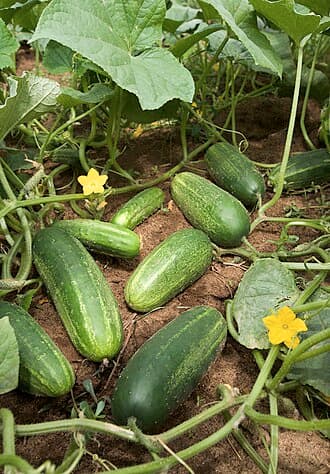 Marketmore Cucumber🍉Mini Love Watermelon🍉Moon and Stars Watermelon🍅Mortgage Lifter Tomato
 Mr. Stripey Tomato
 Norland Potato
 Orange Bell Pepper🍉Orangeglo Watermelon
 Padrón Pepper
 Pattypan Squash
 Persian Cucumber
 Pickling Cucumber
 Pimento Pepper
 Pineapple Tomato
 Poblano Pepper
 Purple Bell Pepper🥔Purple Majesty Potato
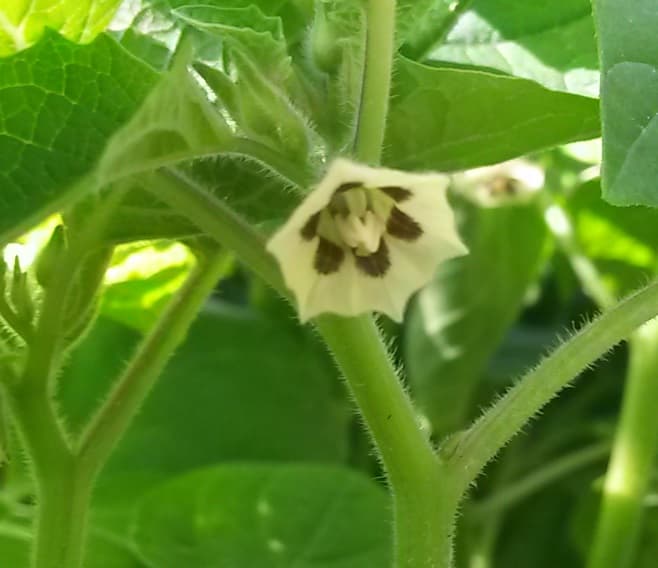 Purple Tomatillo
 Red Bell Pepper
 Red Pontiac Potato
 Roma Tomato🍆Rosa Bianca Eggplant
 Russet Potato🍅Rutgers Tomato
 San Marzano Tomato
 Scotch Bonnet Pepper
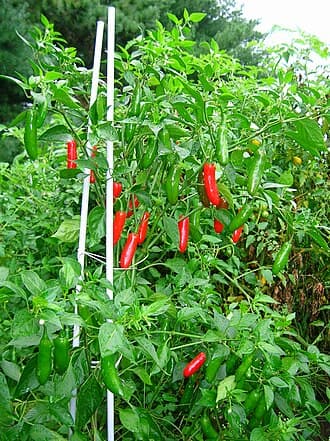 Serrano Pepper
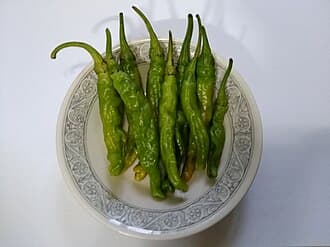 Shishito Pepper
For educational and informational purposes only. Disease management advice is general guidance drawn from university cooperative extension sources; always identify a problem positively and read and follow the label on any product before use, especially around food crops, children, and pets.