
Septoria Leaf Spot
Septoria lycopersici
One of the most common leaf diseases of tomato, Septoria leaf spot speckles the lower leaves with small dark-bordered spots after the plant starts setting fruit. It rarely touches the fruit itself, but it can strip a plant of its leaves, cut yield, and expose fruit to sunscald. Wet, humid weather drives it.
🔎 How to spot it
Look for many small round spots, about one eighth inch across, with dark brown borders and tan to gray centers, scattered across the lower, oldest leaves. With a hand lens you can see tiny black specks, the spore-producing bodies, in the pale centers. Heavily spotted leaves yellow, then brown and drop. The disease moves steadily up the plant.
🥀 Damage it causes
Septoria defoliates the plant from the bottom up, and the loss of leaves weakens it, lowers yield, and leaves fruit exposed to sunscald. It seldom infects the fruit directly. A severe case can strip most of the foliage by late summer.
🔬 What causes it
The disease is caused by the fungus Septoria lycopersici, which overwinters on infected tomato debris and on related weeds such as nightshade. Spores are splashed onto the lowest leaves by rain and overhead watering. It is most active when temperatures run from about 68 to 77 F with high humidity and wet foliage.
🛡️ Prevent it
Rotate tomatoes to a new spot each year and clean up all plant debris at season end. Mulch to block soil splash, water at the base rather than overhead, and space and stake plants so leaves dry quickly. Prune off the lowest leaves and any early spotted leaves. Use resistant varieties where available and avoid working among wet plants.
🧯 If it is already here
At the first spots, pinch off and remove affected leaves; you can take up to a third of the lower leaves if you catch it early. Keep the foliage dry and mulched. If it keeps advancing, an approved organic fungicide containing copper, applied early and repeated through the season per the label, can hold it in check. Remove and destroy debris at the end of the year.
💡 Good to know
Septoria leaf spot is easy to mix up with early blight, but its spots are smaller and more numerous, with tan centers and tiny black dots, and they lack the target rings of early blight. Both begin on the lowest leaves after fruit set, and both are slowed by the same airflow, mulch, and rotation practices.
🌱 Plants it affects
112 plants in the library can be affected by this problem
 Adirondack Blue Potato
 Aji Amarillo Pepper🥔All Blue Potato
 Amethyst Falls Wisteria
 Amish Paste Tomato
 Anaheim Pepper
 Annabelle Smooth Hydrangea
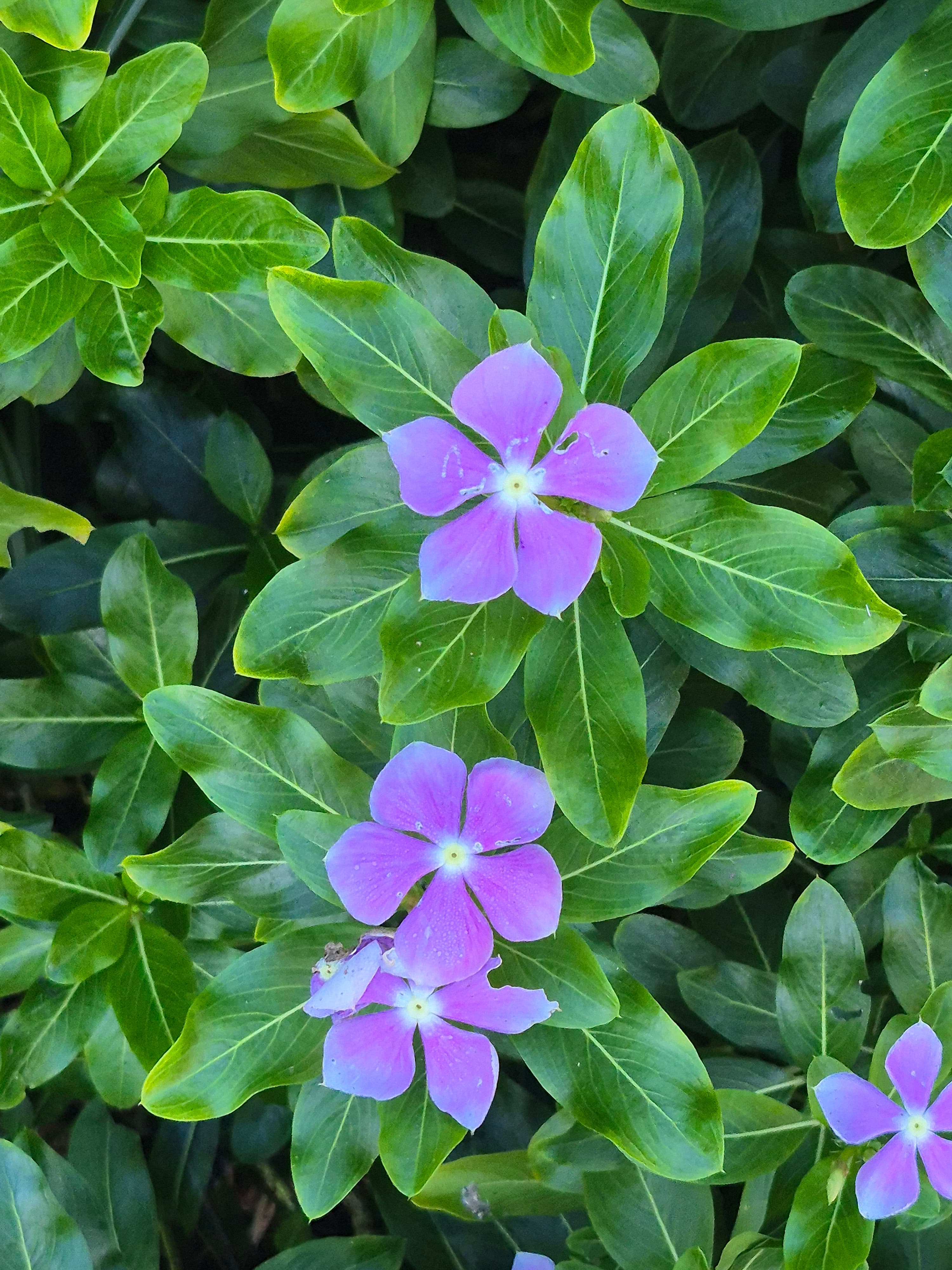 Annual Vinca
 Arizona Sun Blanket Flower
 Banana Pepper
 Beauregard Sweet Potato
 Becky Shasta Daisy🍅Beefmaster Tomato
 Better Boy Tomato🍅Big Beef Tomato
 Big Boy Tomato
 Black Beauty Eggplant
 Black Cherry Tomato
 Black Krim Tomato🍅Box Car Willie Tomato
 Brandywine Tomato
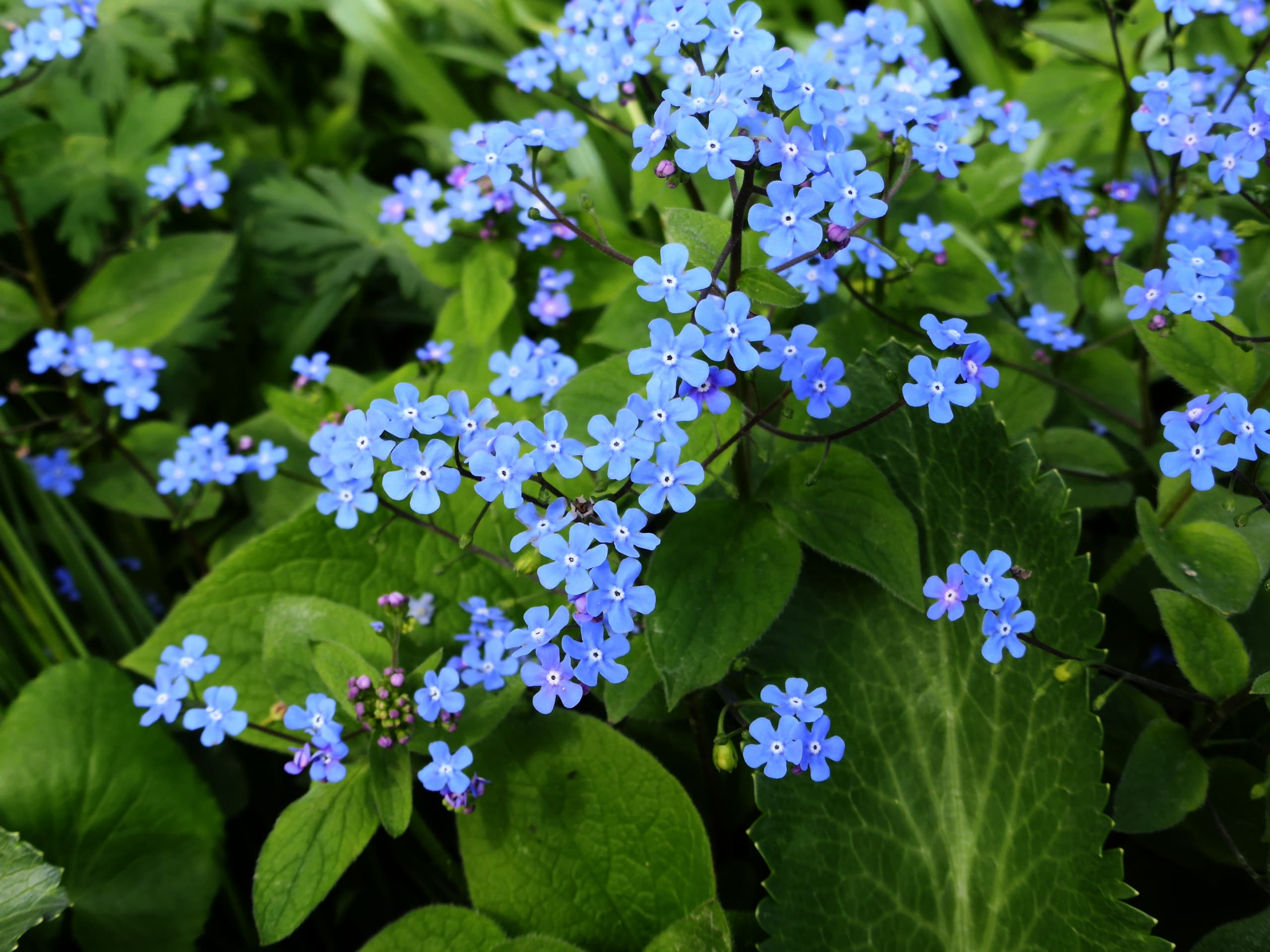 Brunnera
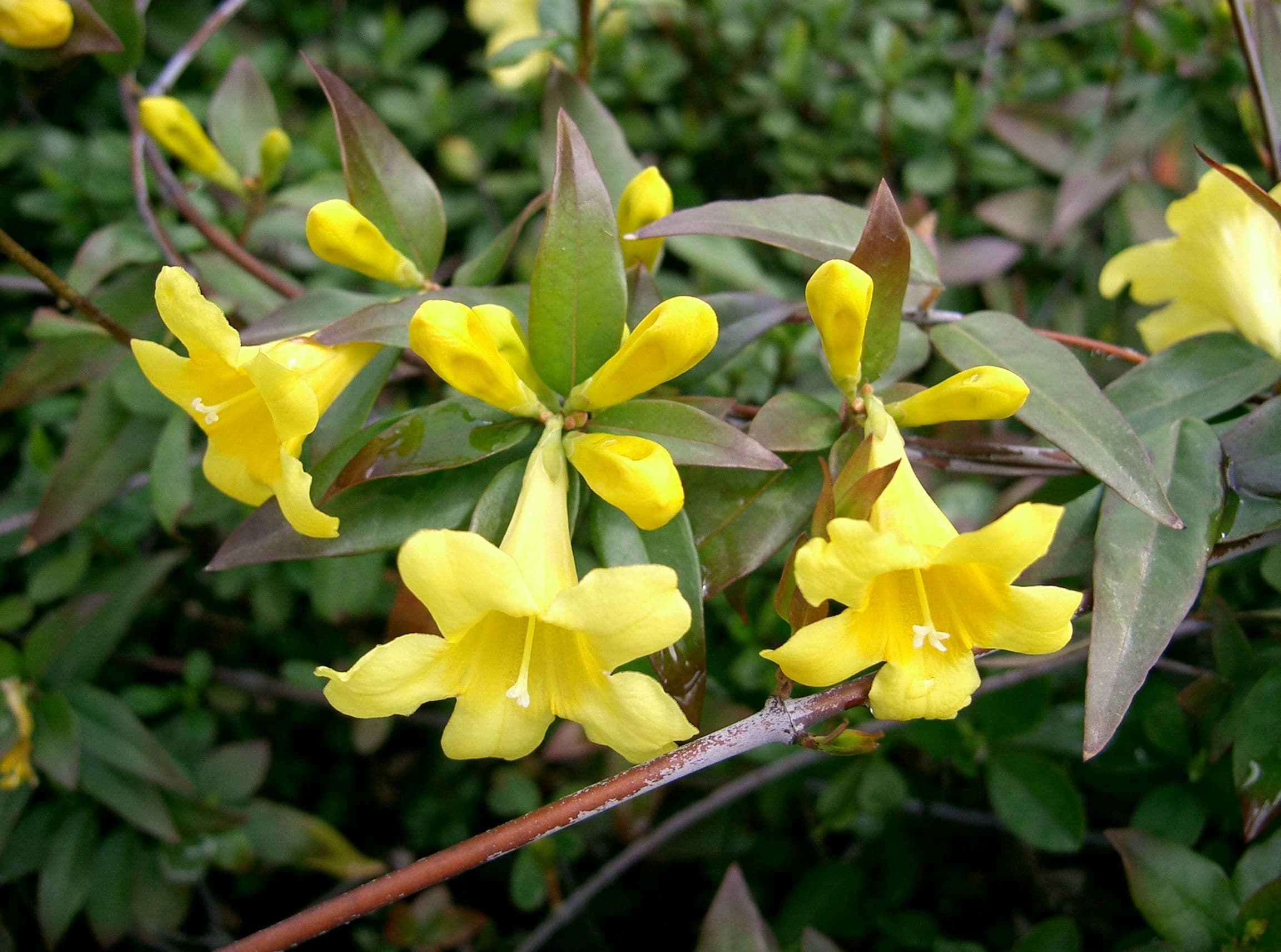 Carolina Jessamine
 Carolina Reaper Pepper
 Cascara Sagrada
 Cayenne Pepper
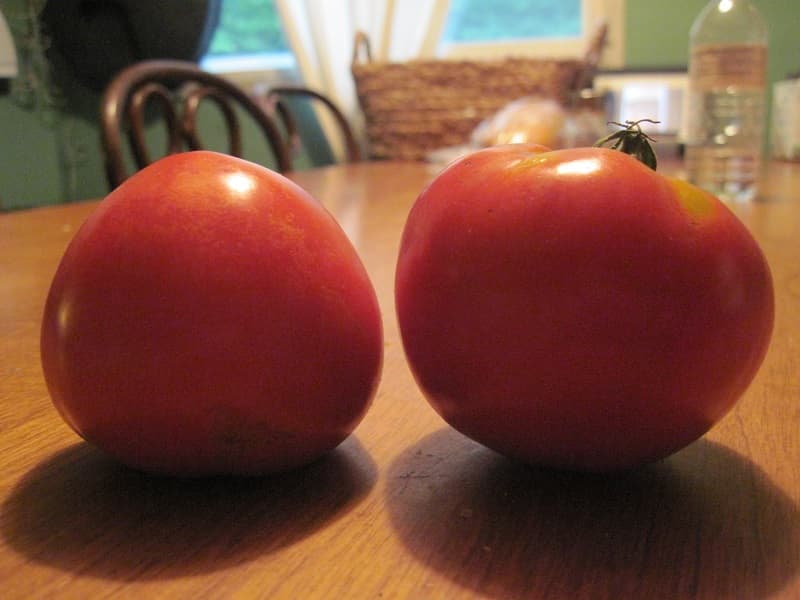 Celebrity Tomato
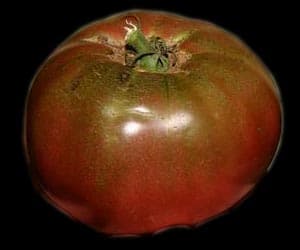 Cherokee Purple Tomato
 Cleyera
 Climbing Hydrangea
 Cornelian Cherry
 Crimson Cherry Rhubarb
 Cubanelle Pepper
 Diabolo Ninebark
 Early Amethyst Beautyberry
 Early Girl Tomato
 Endless Summer Hydrangea
 Evergreen Huckleberry
 Fairy Tale Eggplant
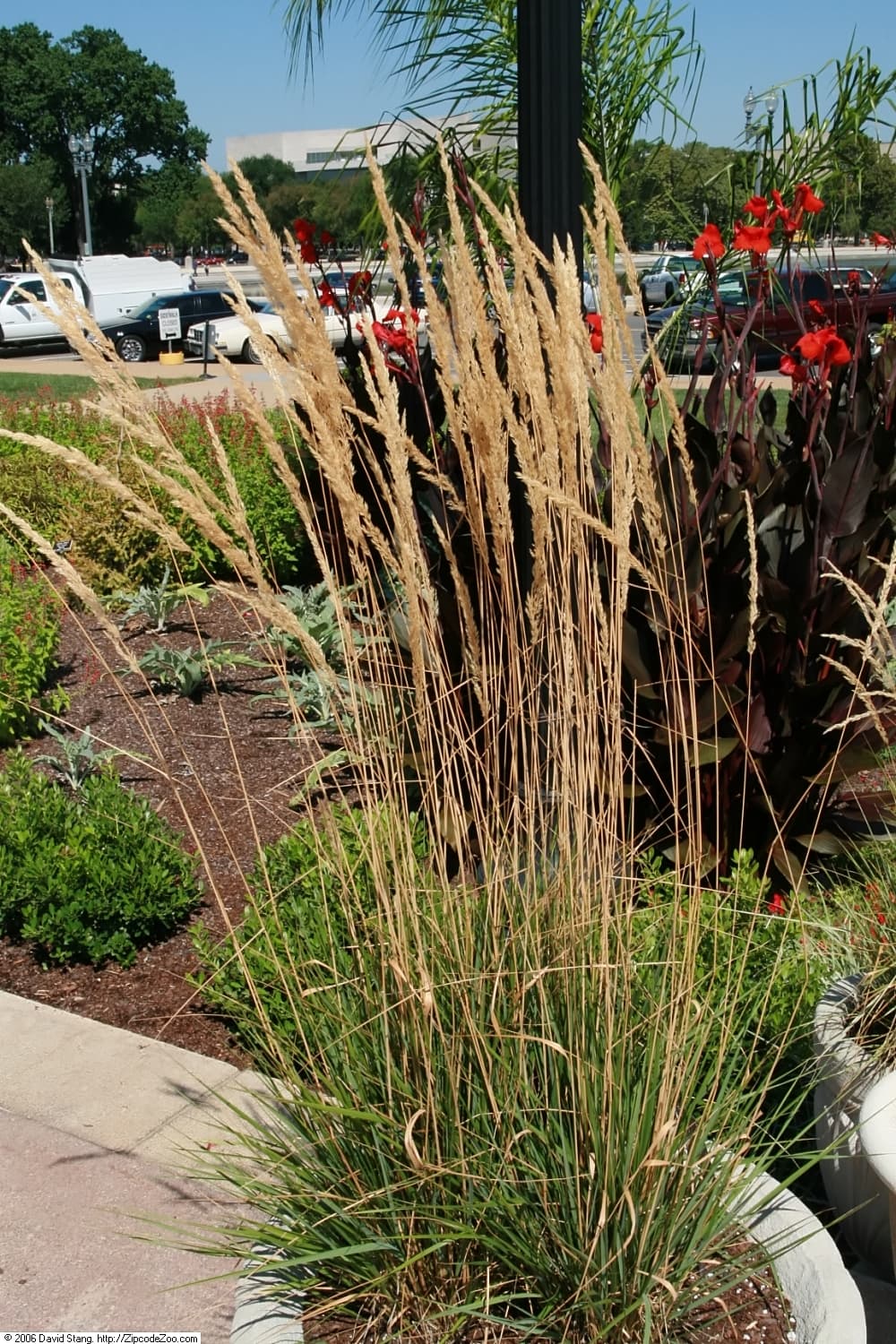 Feather Reed Grass
 Fingerling Potato
 Fountain Grass
 Fresno Pepper
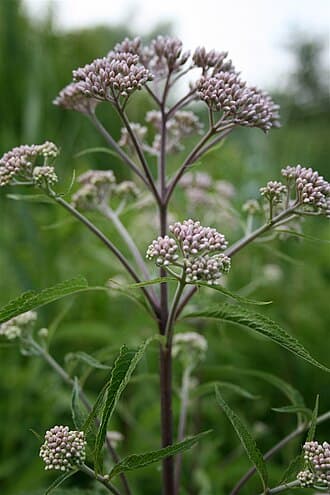 Gateway Joe Pye Weed
 German Butterball Potato🍅German Queen Tomato
 Ghost Pepper
 Goldflame Spirea
 Goldsturm Black-Eyed Susan
 Green Bell Pepper
 Green Zebra Tomato
 Habanero Pepper
 Hummingbird Summersweet
 Hungarian Wax Pepper
 Indigo Rose Tomato
 Italian Eggplant
 Jalapeño Pepper
 Japanese Eggplant
 Japanese Pieris
 Juliet Grape Tomato
 Kellogg's Breakfast Tomato
 Kennebec Potato
 Kobold Blazing Star🍅La Roma IV Tomato
 Lemon Boy Tomato
 Lily of the Valley
 Limelight Panicle Hydrangea
 Lingonberry
 Lynwood Gold Forsythia
 Major Wheeler Trumpet Honeysuckle
 Medlar
 Moerheim Beauty Sneezeweed🍅Mortgage Lifter Tomato
 Mr. Stripey Tomato
 Natchez Mock Orange
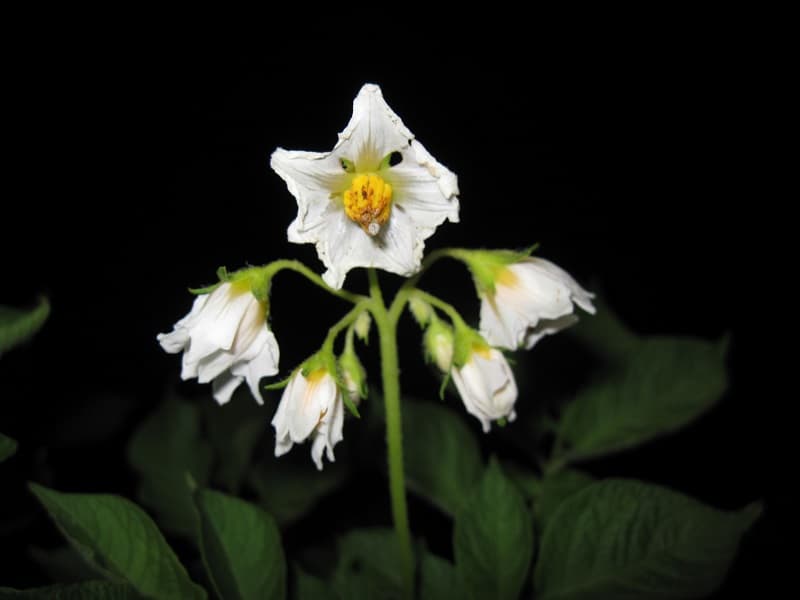 Norland Potato
 Orange Bell Pepper
 Padrón Pepper
 Pimento Pepper
 Pineapple Tomato
 Poblano Pepper
 Purple Bell Pepper
 Purple Coneflower🥔Purple Majesty Potato
 Quaking Aspen
 Red Bell Pepper
 Red Pontiac Potato
 Roma Tomato🍆Rosa Bianca Eggplant
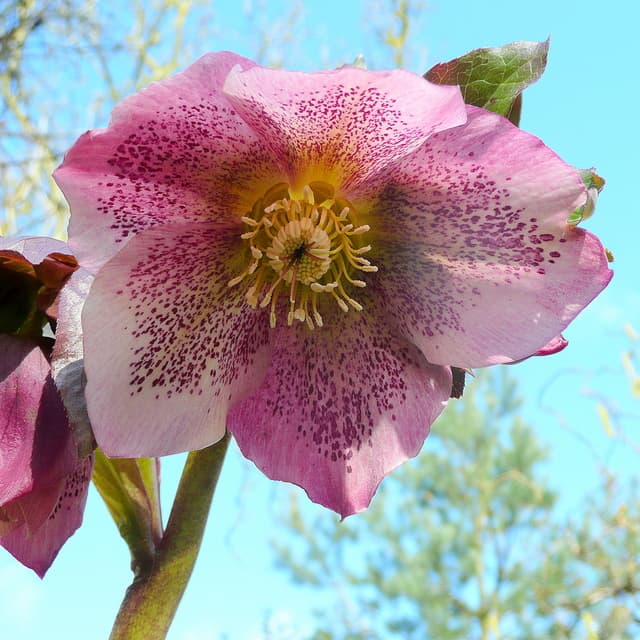 Royal Heritage Lenten Rose
 Russet Potato🍅Rutgers Tomato
 Salal
Salal San Marzano Tomato
 Scotch Bonnet Pepper
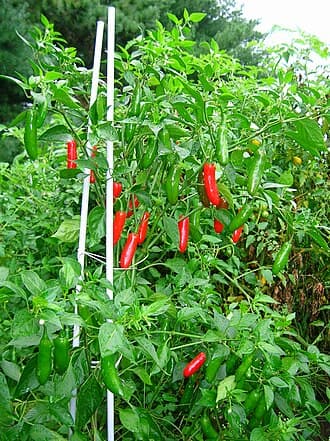 Serrano Pepper
 Sheffield Pink Garden Mum
 Shishito Pepper
 Snow Queen Oakleaf Hydrangea
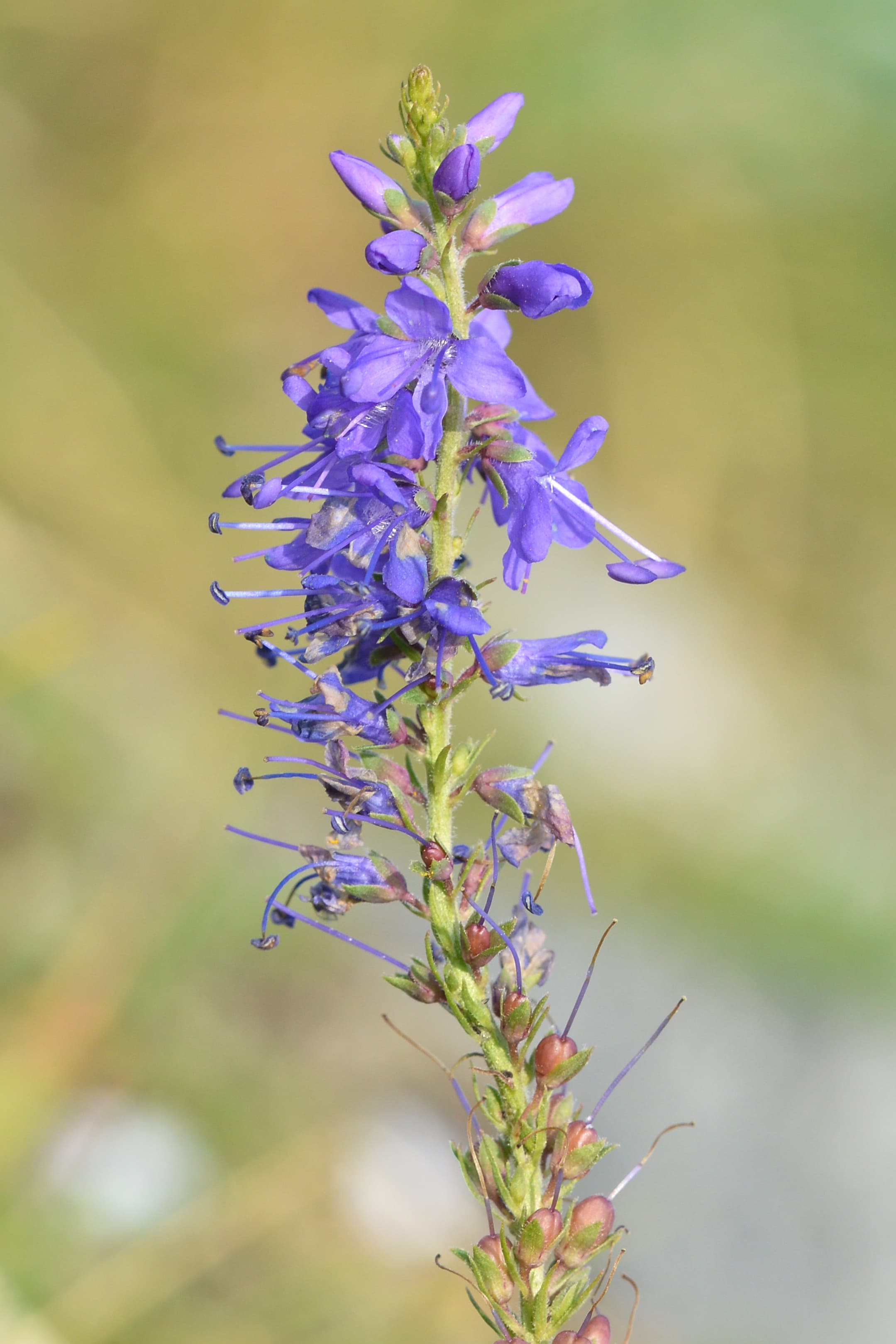 Speedwell
For educational and informational purposes only. Disease management advice is general guidance drawn from university cooperative extension sources; always identify a problem positively and read and follow the label on any product before use, especially around food crops, children, and pets.