
Fusarium Basal Rot
Fusarium oxysporum f. sp. cepae
A soilborne fungal disease of onions, garlic, and other alliums that rots the basal plate at the bottom of the bulb. Fusarium basal rot is found worldwide and often shows up late, with the rot developing as bulbs near maturity and especially during storage, after the crop looked healthy in the field.
🔎 How to spot it
Leaves curl, yellow, and die back from the tips, and the plant may be stunted, while at the base of the bulb a brown, often watery rot spreads up from the basal plate. Pulling the bulb shows rotted roots and a discolored basal plate, and cutting it open reveals browned internal tissue working up from the bottom. A whitish-pink mold can appear on the rotted base.
🥀 Damage it causes
The fungus rots the basal plate and roots and moves up into the bulb, so plants are stunted and may die, and bulbs rot from the bottom in the field and in storage. Symptoms are frequently hidden until harvest or storage, so a seemingly sound crop can break down in the bin. It affects all alliums but is most damaging in onion and garlic.
🔬 What causes it
Basal rot is caused by the soil fungus Fusarium oxysporum f. sp. cepae, which infects through wounds and the natural scars at the base of the bulb at any growth stage. It survives in the soil for years as tough resting spores and is favored by warm soil and by anything that injures the roots and basal plate, including other pests such as onion maggot and bulb mites.
🛡️ Prevent it
Plant clean, sound seed and sets in well-drained soil and rotate alliums onto fresh ground on a long cycle, since the fungus builds up in infested soil. Avoid wounding bulbs and control root-feeding pests that open the way for infection, and do not plant into warm, waterlogged ground. Cure bulbs well and store them cool and dry, and grow resistant varieties where available.
🧯 If it is already here
There is no cure for an infected bulb; remove and discard rotted plants and bulbs and do not store or replant them. Sort carefully before storage so an infected bulb does not rot its neighbors, and keep storage cool and dry. For the next crop, rely on clean stock, long rotation, good drainage, pest control, and resistant varieties, since fungicides give only limited help against this soil fungus.
💡 Good to know
Basal rot is often confused with neck rot, but it starts at the bottom of the bulb at the basal plate rather than at the neck, which is the key to telling them apart. Because root and basal-plate wounds let the fungus in, controlling onion maggot and bulb mites also reduces basal rot. Long rotation and clean stock are the backbone of control.
🌱 Plants it affects
23 plants in the library can be affected by this problem
 Cipollini Onion
 Common Chives
 Egyptian Walking Onion
 Elephant Garlic
 Garlic Chives🧄German Extra Hardy Garlic
 Globemaster Allium🧄Inchelium Red Garlic🧄Killarney Red Garlic
 Leek
Leek Mary Washington Asparagus
 Music Hardneck Garlic
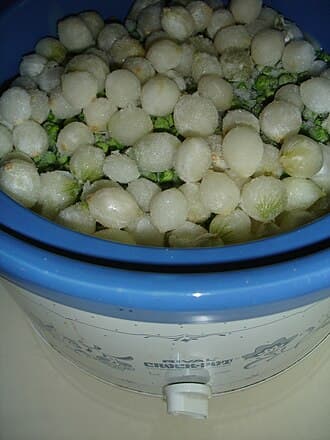 Pearl Onion🧅Red Onion
 Scallion
 Shallot
 Softneck Garlic🧅Spanish Onion🧄Spanish Roja Garlic
 Vidalia Sweet Onion🧅Walla Walla Sweet Onion
 White Onion
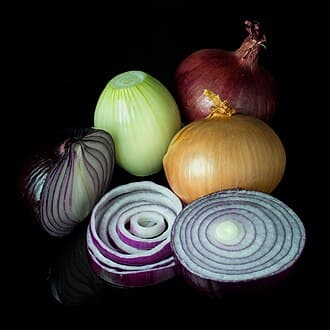 Yellow Sweet Onion
For educational and informational purposes only. Disease management advice is general guidance drawn from university cooperative extension sources; always identify a problem positively and read and follow the label on any product before use, especially around food crops, children, and pets.