
Onion Maggot
Delia antiqua
The larva of a small fly that burrows into onions and their relatives, killing young seedlings outright and tunneling into the bulbs of older plants so they rot in storage. Damp, cool springs and beds that grew onions the year before bring the worst of it.
🔎 How to spot it
The maggots are legless, creamy-white, about a quarter inch long and tapered toward the head, found burrowed into the base, roots, and bulb of the plant. The adult is a slender gray fly, a bit smaller than a housefly. Above ground, look for seedlings that wilt, yellow, and topple, and for soft, rotting, tunneled bulbs in larger plants.
🥀 Damage it causes
The first generation kills onion seedlings as the maggots feed on the underground stem and roots, and a single maggot can destroy several small plants. Later generations tunnel into the developing bulbs, leaving cavities that invite rot and ruin the onions in storage. Onion, garlic, leek, and shallot are all at risk.
🛡️ Prevent it
Rotate the onion family well away from where alliums grew the year before, since the flies overwinter as pupae in that soil. Cover the crop with row cover from planting to block the egg-laying flies, but only on rotated ground, never over a bed that grew alliums the previous year. Avoid planting into fresh, undecomposed manure, and remove and destroy culls and bolters that attract egg-laying.
🧯 If it is already here
There is no effective rescue once maggots are inside the plant, so pull and destroy infested, wilting seedlings promptly to stop the maggots maturing. Lean on prevention for the rest of the crop: rotation, row cover, and cleaning up culls. Harvest and cure bulbs well, and do not store any that show tunneling or soft spots.
💡 Good to know
Onion maggot overwinters as a pupa in soil where alliums grew, which is why rotation is the single most effective tactic and why row cover fails if laid over a bed that grew onions the year before. Cool, wet springs favor the maggots; in those years expect more seedling loss and scout early.
🌱 Plants it attacks
22 plants in the library can be attacked by this pest
 Cipollini Onion
 Common Chives
 Egyptian Walking Onion
 Elephant Garlic
 Garlic Chives🧄German Extra Hardy Garlic
 Globemaster Allium🧄Inchelium Red Garlic🧄Killarney Red Garlic
 Leek
Leek Music Hardneck Garlic
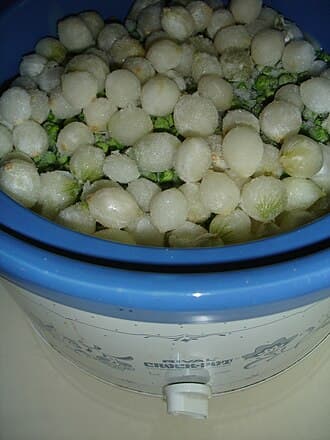 Pearl Onion🧅Red Onion
 Scallion
 Shallot
 Softneck Garlic🧅Spanish Onion🧄Spanish Roja Garlic
 Vidalia Sweet Onion🧅Walla Walla Sweet Onion
 White Onion
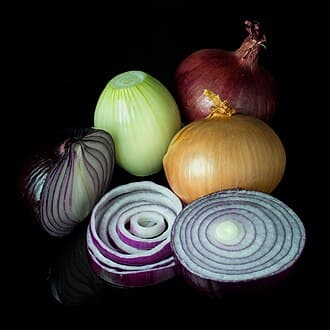 Yellow Sweet Onion
For educational and informational purposes only. Pest control advice is general guidance drawn from university cooperative extension sources; always identify a pest positively and read and follow the label on any product before use, especially around food crops, children, and pets.