
Bacterial Speck
Pseudomonas syringae pv. tomato
A bacterial disease of tomato that flecks the leaves and fruit with tiny dark specks, favored by cool, wet weather. It rarely kills a plant, but a heavy case spots the foliage and dots the fruit with small raised black specks that downgrade it. Like other bacterial diseases it has no cure once it starts and rides in on seed.
🔎 How to spot it
Look for many small, dark brown to black specks, smaller than those of bacterial spot, on the leaves, often with a surrounding yellow halo and concentrated near the leaf margins where they merge into dead edges. On green fruit, look for tiny, slightly raised black specks, like ground pepper, that stay small. Cool, wet spells bring it on.
🥀 Damage it causes
Leaf flecking and marginal browning reduce the leaf area and can defoliate in a heavy case, and the small raised specks on the fruit blemish it and downgrade the harvest, though the fruit stays edible. It is generally less destructive than bacterial spot, and warm, dry weather slows it down.
🔬 What causes it
Bacterial speck is caused by the bacterium Pseudomonas syringae pv. tomato, which arrives on infected seed and transplants and survives on debris and in the soil. It spreads by splashing rain and overhead watering and enters through pores and wounds. Unlike most tomato diseases it favors cool, wet weather, roughly 63 to 75 F.
🛡️ Prevent it
Start with certified disease-free seed and transplants, or hot-water treat saved seed, since it is seed-borne. Rotate away from tomato, clean up debris, and avoid overhead watering. Space plants for airflow, do not work among wet plants, and mulch to cut soil splash. Resistant varieties are available and help where the disease recurs.
🧯 If it is already here
There is no cure once a plant is infected, and cutting off spotted leaves tends to spread it rather than help, so the practical course is to let a mild case run as the weather warms and salvage the sound fruit. Preventive copper sprays can protect healthy tissue in a cool, wet spell but lose value once it is widespread; follow the label.
💡 Good to know
Bacterial speck looks much like bacterial spot, but its specks are smaller and it favors cool, wet weather, whereas bacterial spot thrives in heat, so the season and temperature help tell them apart. Both ride on seed, so clean seed and treated saved seed are the best defense, and warm, dry weather naturally checks speck.
🌱 Plants it affects
30 plants in the library can be affected by this problem
 Amish Paste Tomato🍅Beefmaster Tomato
 Better Boy Tomato🍅Big Beef Tomato
 Big Boy Tomato
 Black Cherry Tomato
 Black Krim Tomato🍅Box Car Willie Tomato
 Brandywine Tomato
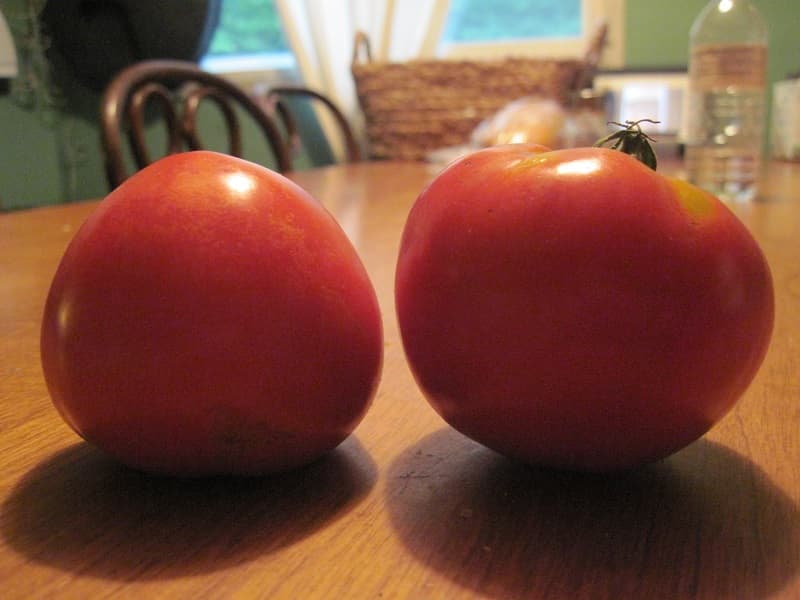 Celebrity Tomato
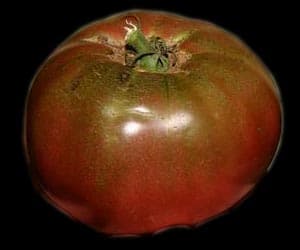 Cherokee Purple Tomato
 Early Girl Tomato🍅German Queen Tomato
 Green Zebra Tomato
 Indigo Rose Tomato
 Juliet Grape Tomato
 Kellogg's Breakfast Tomato🍅La Roma IV Tomato
 Lemon Boy Tomato🍅Mortgage Lifter Tomato
 Mr. Stripey Tomato
 Pineapple Tomato
 Roma Tomato🍅Rutgers Tomato
 San Marzano Tomato🍅Striped German Tomato🍅Sungold Cherry Tomato
 Sweet 100 Cherry Tomato🍅Tiny Tim Cherry Tomato
 Yellow Pear Tomato
For educational and informational purposes only. Disease management advice is general guidance drawn from university cooperative extension sources; always identify a problem positively and read and follow the label on any product before use, especially around food crops, children, and pets.