
Black Spot
Diplocarpon rosae
The most common and serious disease of garden roses, black spot peppers the leaves with dark, fringe-edged spots that yellow and drop, often stripping a bush bare by late summer. It weakens the plant and ruins its looks, and it thrives wherever roses stay wet. Resistant varieties and good airflow are the keys to staying ahead of it.
🔎 How to spot it
Look for roughly circular black spots, up to half an inch across, with feathery or fringed margins, on the upper sides of the leaves. The tissue around the spots turns yellow, and heavily spotted leaves drop, working up from the bottom of the plant. On young canes it can show as raised purplish-red blotches that blacken. By season end a susceptible bush may be nearly defoliated.
🥀 Damage it causes
Repeated spotting and leaf drop weaken the rose, reduce flowering, and leave it stressed and more vulnerable to winter injury and other problems. The disease rarely kills a rose outright but can defoliate it and badly mar its appearance season after season.
🔬 What causes it
Black spot is caused by the fungus Diplocarpon rosae, which overwinters on fallen infected leaves and on canes. In spring its spores are splashed by rain or overhead watering onto the lower leaves, and they need several hours of leaf wetness to infect. Warm, wet, humid weather drives it, with new spots appearing in as little as three days and fresh spores ready to spread in about ten.
🛡️ Prevent it
Plant resistant roses such as the Knock Out series, many rugosas, and tough shrub and climbing types. Give plants full sun and space them for good air movement, and water at the base so leaves dry quickly. Rake up and destroy fallen leaves, and prune out infected canes during the dormant season to remove the overwintering fungus. Avoid wetting the foliage.
🧯 If it is already here
Pick off and destroy spotted leaves as they appear and clean up any that fall. On susceptible roses, protect new growth with an approved organic fungicide such as horticultural or neem oil, sulfur, or potassium bicarbonate, beginning early and repeating through the wet season per the label. Sanitation plus resistant varieties does more over time than spraying a susceptible bush.
💡 Good to know
Black spot is the single biggest reason a rose drops its leaves in summer. Because the fungus survives the winter on fallen leaves and canes, thorough fall cleanup and dormant pruning break much of the cycle. Choosing a resistant variety from the start spares you most of the spraying that a susceptible rose demands.
🌱 Plants it affects
14 plants in the library can be affected by this problem
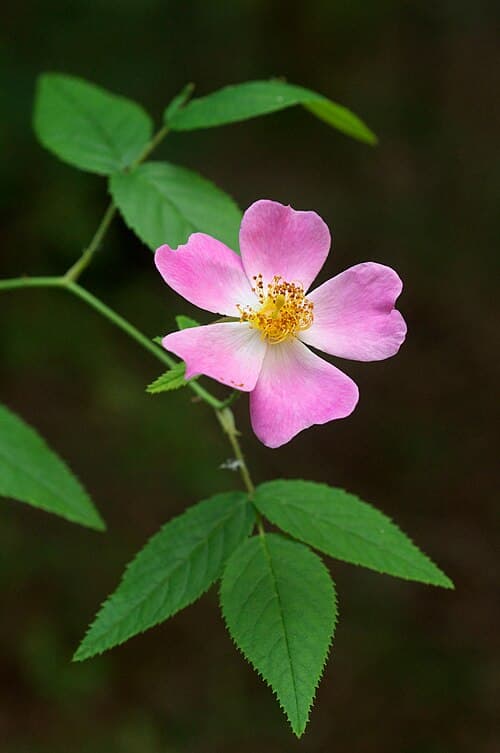 Climbing Prairie Rose
 Coral Drift Groundcover Rose
 Cylindra Beet
 Graham Thomas English Rose
 Hansa Rugosa Rose
 Iceberg Floribunda Rose
 Knock Out Rose
 Mister Lincoln Hybrid Tea Rose
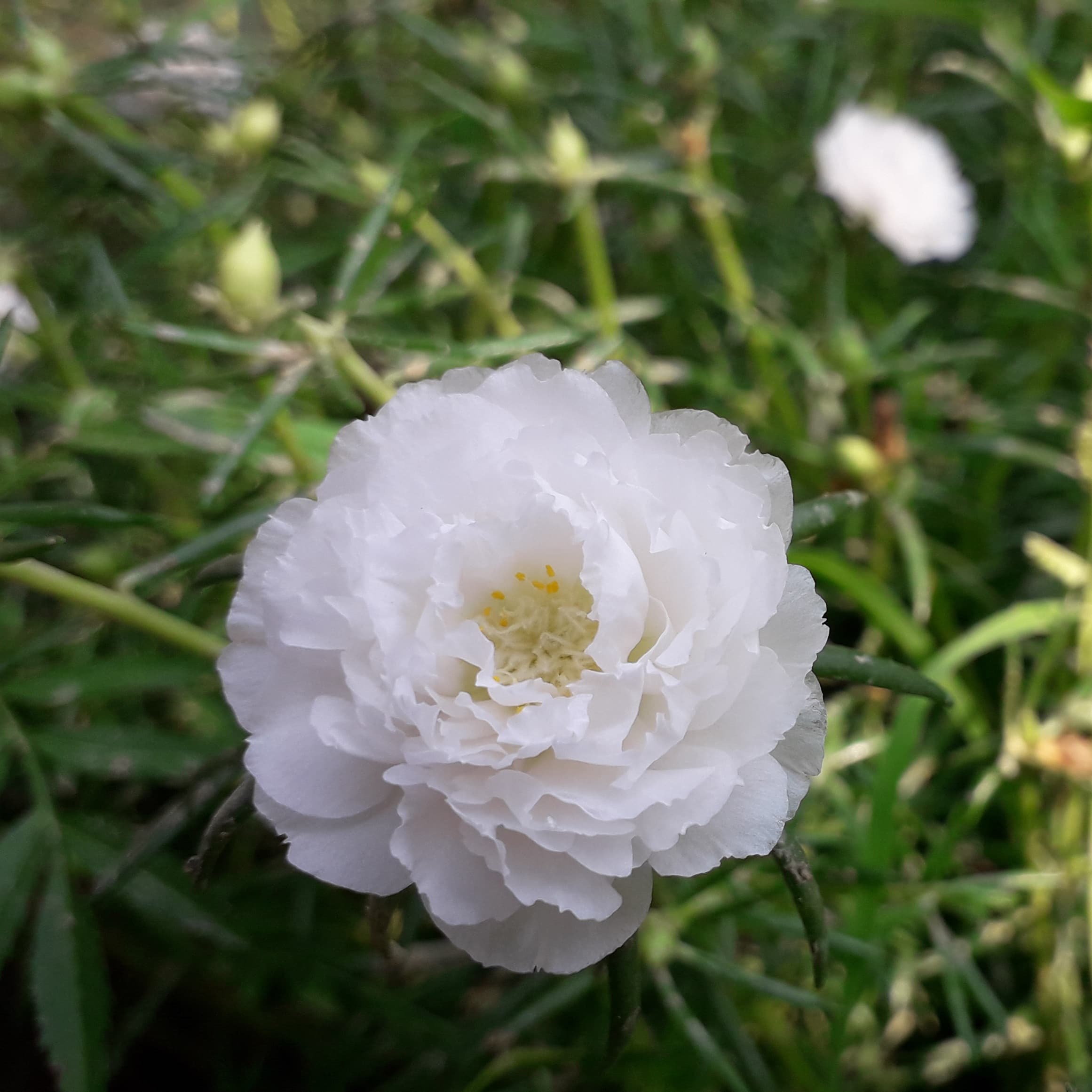 Moss Rose
 New Dawn Climbing Rose
 Peace Hybrid Tea Rose
 Queen Elizabeth Grandiflora Rose
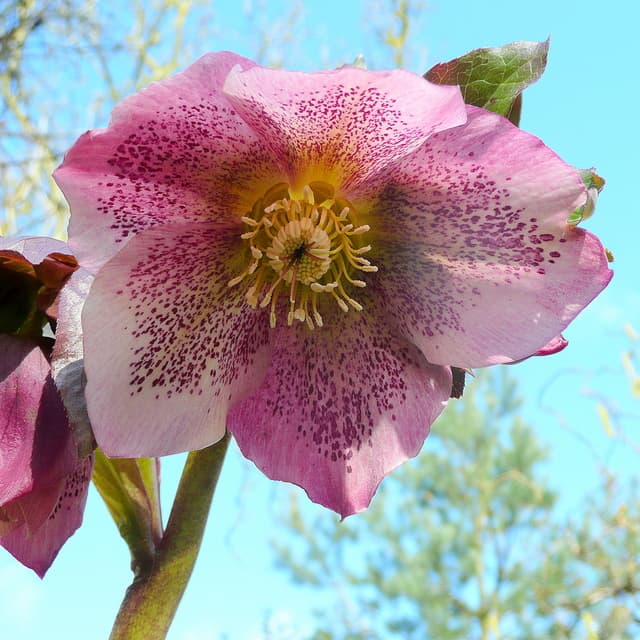 Royal Heritage Lenten Rose
 Sweet Chariot Miniature Rose
For educational and informational purposes only. Disease management advice is general guidance drawn from university cooperative extension sources; always identify a problem positively and read and follow the label on any product before use, especially around food crops, children, and pets.