
Bean Leaf Beetle
Cerotoma trifurcata
A small, variable beetle that chews neat round holes in bean leaves and, later in the season, scars the pods. It rarely defoliates an established planting, but it hits hardest on emerging seedlings and can nick young plants badly.
🔎 How to spot it
Adults are about a quarter inch and vary in color from reddish to yellow-green to tan, but they almost always show four black spots and a black border around the wing covers, plus a small black triangle behind the head. Disturb the plant and they drop to the ground. The larvae live in the soil and feed on roots. Look for round holes chewed in the leaves between the veins.
🥀 Damage it causes
Adults chew small, round holes in the leaves and, when pods form, gnaw shallow scars on the pod surface that mar appearance and can let in pod-rot fungi. High numbers can defoliate the first true leaves and kill seedlings, but later feeding is mostly cosmetic. Root feeding by the larvae does only minor harm.
🛡️ Prevent it
Delay planting until after mid-June where practical to miss the overwintered beetles that hammer seedlings, and protect young plants with row cover. Scout early, when seedlings are most vulnerable. Clean up bean residue and nearby weedy hosts at season end.
🧯 If it is already here
Because the beetles drop when disturbed, hold a pail or tray under the plant and tap them in to collect and destroy them. Tolerate the cosmetic leaf holes on established plants; treat only if seedlings are being heavily fed or pods scarred, using insecticidal soap or another approved product. Pick beans promptly to limit pod scarring.
💡 Good to know
Bean leaf beetle can transmit bean pod mottle and other viruses, which is a bigger concern than the chewing on a healthy plant. The seedling stage is the time to protect, since a vigorous bean plant easily outgrows the round-hole feeding later on.
🌱 Plants it attacks
26 plants in the library can be attacked by this pest
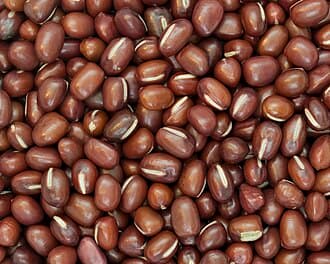 Adzuki Bean
 Black Bean
 Black-Eyed Pea
 Blue Lake Green Bean
 Broad Windsor Fava Bean
 Cannellini Bean
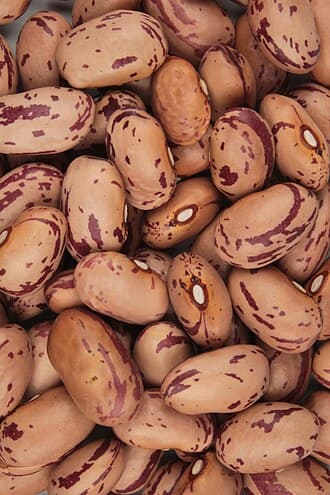 Cranberry Bean
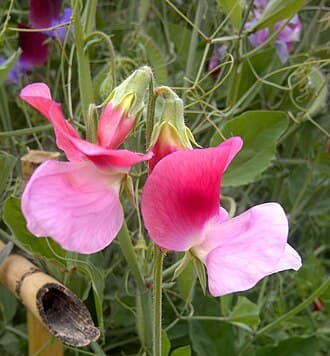 Cupani Sweet Pea
 Edamame
 English Shelling Pea
 Field Pea
 Fordhook 242 Lima Bean
 Kentucky Wonder Pole Bean
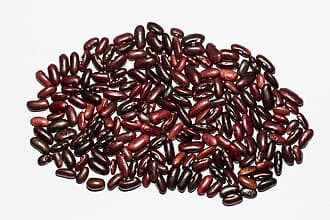 Kidney Bean
 Lincoln Pea
 Mung Bean
 Navy Bean
 Pinto Bean🌱Provider Bush Bean
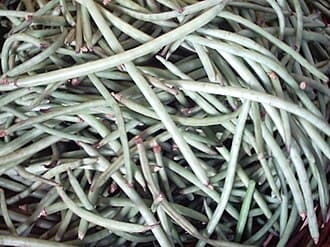 Red Noodle Yardlong Bean
 Romano Bean
 Scarlet Runner Bean
 Snow Pea🌱Sugar Daddy Pea
 Sugar Snap Pea
 Yellow Dock
For educational and informational purposes only. Pest control advice is general guidance drawn from university cooperative extension sources; always identify a pest positively and read and follow the label on any product before use, especially around food crops, children, and pets.