
Cowpea Curculio
Chalcodermus aeneus
A small, hump-backed black snout beetle that is the most serious pest of southern peas, or cowpeas, in the southeastern United States. The adults puncture pods and the grubs feed on the developing seeds inside, so even modest beetle numbers can ruin and contaminate a large share of the crop.
🔎 How to spot it
The adult is a black, bronze-tinged weevil less than a quarter inch long, hump-backed with the typical weevil snout and tiny pits across the wing covers. The larva is a small, legless, pale-yellow grub with a yellowish-brown head, found inside the seeds within the pod. On the outside, look for raised, wart-like or blister-like spots on the pods where adults have fed or laid eggs.
🥀 Damage it causes
Adults chew and puncture the pods to feed and lay eggs, leaving small warty stings, and the grubs then bore into and consume the developing peas inside. Heavy infestations can cause near-total loss of pods, and grubs carried into harvested and shelled peas are a serious contamination problem. The hidden larvae make the damage easy to miss until the peas are shelled.
🛡️ Prevent it
Rotate southern peas away from last year ground and avoid planting where curculio has been a problem, since adults overwinter nearby in weeds and debris. Clean up weeds such as vetch and cudweed where adults shelter before moving into the crop. Harvest promptly and do not leave mature pods in the field, which lets more grubs complete development.
🧯 If it is already here
Control targets the adults during flowering and pod set, before eggs are laid in the pods, because nothing reaches the grubs once they are inside the seed. Insecticides timed to adult activity are the conventional tool, but the beetle has become tolerant of pyrethroids in many areas, so rotating chemical classes and using traps to time treatment matter. In a small planting, frequent harvest and destroying infested pods reduce the next generation.
💡 Good to know
Because the grubs develop hidden inside the peas, an apparently fine crop can be full of larvae at shelling, so the warty stings on the pods are the warning sign to watch for. Resistance to the old standby insecticides has made sanitation, rotation, and good timing more important than ever for this pest.
🌱 Plants it attacks
26 plants in the library can be attacked by this pest
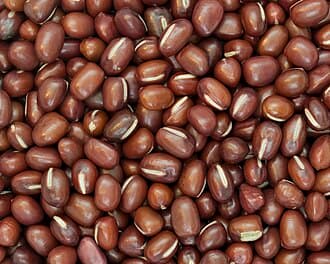 Adzuki Bean
 Black Bean
 Black-Eyed Pea
 Blue Lake Green Bean
 Broad Windsor Fava Bean
 Cannellini Bean
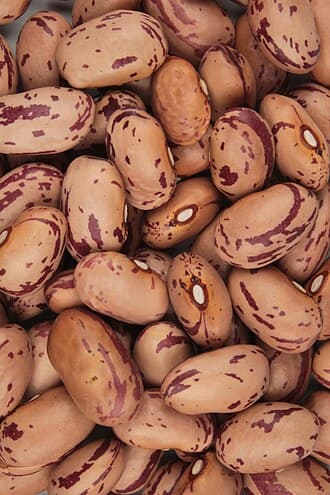 Cranberry Bean
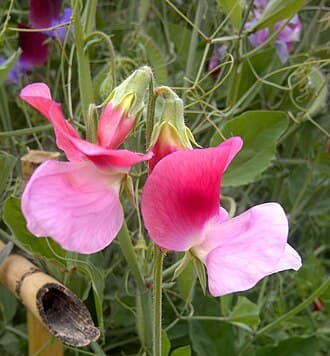 Cupani Sweet Pea
 Edamame
 English Shelling Pea
 Field Pea
 Fordhook 242 Lima Bean
 Kentucky Wonder Pole Bean
 Kidney Bean
 Lincoln Pea
 Mung Bean
 Navy Bean
 Pinto Bean🌱Provider Bush Bean
 Purple Smoke False Indigo
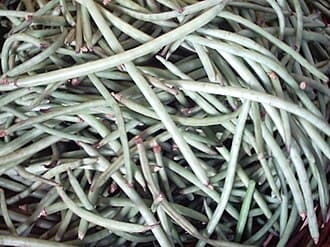 Red Noodle Yardlong Bean
 Romano Bean
 Scarlet Runner Bean
 Snow Pea🌱Sugar Daddy Pea
 Sugar Snap Pea
For educational and informational purposes only. Pest control advice is general guidance drawn from university cooperative extension sources; always identify a pest positively and read and follow the label on any product before use, especially around food crops, children, and pets.