
Lace Bugs
Family Tingidae
Small, flat insects with intricately lacy wings that suck sap from the undersides of leaves, stippling the tops with a fine yellow speckling. Lace bugs are common on many trees, shrubs, and ornamentals, and while their damage is mostly cosmetic, a heavy infestation can leave foliage looking washed-out and bronzed by late summer.
🔎 How to spot it
Adults are tiny, about an eighth inch, flattened, and rectangular, with clear, intricately sculptured lacy wings; the nymphs are smaller, dark, and spiny. They feed on the leaf undersides, where you will find them along with shiny, dark, varnish-like spots of excrement, a key sign. The damage shows on the upper surface as fine pale stippling or speckling that can spread until the whole leaf looks bleached or bronzed.
🥀 Damage it causes
By sucking sap from the undersides, lace bugs cause the upper leaf surface to stipple, then yellow, bronze, and look washed-out, and heavy feeding causes premature leaf drop and reduced vigor. The injury is mostly cosmetic on established trees and shrubs, but it accumulates over the season and the stippled leaves do not green back up.
🛡️ Prevent it
Keep plants healthy and well-watered, since drought-stressed plants in hot, sunny spots suffer worse lace bug damage, and site susceptible shrubs where they are not baking. Scout the leaf undersides in late spring when the first nymphs appear, since early action keeps damage light. Encourage the lacewings, lady beetles, and other predators that feed on lace bugs.
🧯 If it is already here
A forceful spray of water aimed at the leaf undersides, repeated through the season, knocks down nymphs on small shrubs. For heavier infestations, treat the undersides with insecticidal soap or horticultural oil while the nymphs are young, in mid-spring to early summer, for best effect. No treatment restores already-stippled leaves, which stay marked until they drop or are pruned away.
💡 Good to know
The shiny dark spots of excrement on the leaf undersides are the clue that separates lace bug stippling from the similar speckling of spider mites or leafhoppers. Timing matters: treating the young nymphs in spring works far better than chasing the tougher adults later, and because the damage is mostly cosmetic, healthy plants often need no treatment at all.
🌱 Plants it attacks
28 plants in the library can be attacked by this pest
 American Basswood
 Avocado
 Balsam Poplar
 Black Walnut
 Chokecherry
 English Walnut
 Flowering Dogwood
 Hawthorn
 Honey Locust
 Indian Hawthorn
 Japanese Pieris
 Karen Azalea
 Mammoth Sunflower
 Miss Huff Lantana
 Moonbeam Coreopsis
 Paper Birch
 PJM Rhododendron
 ProCut Sunflower
 Purple Dome New England Aster
 Quaking Aspen
 Red Alder
 Sassafras
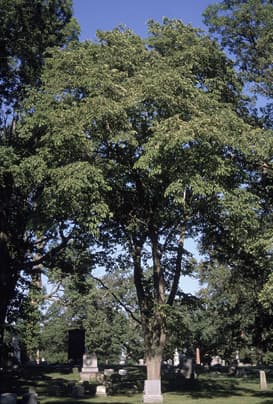 Slippery Elm
 Sugar Maple
 Torch Mexican Sunflower
 White Ash
 White Willow
 Witch Hazel
For educational and informational purposes only. Pest control advice is general guidance drawn from university cooperative extension sources; always identify a pest positively and read and follow the label on any product before use, especially around food crops, children, and pets.