Bayoud Disease
Fusarium oxysporum f. sp. albedinis
The most devastating disease of date palm, a soilborne fusarium wilt that has killed millions of trees across North Africa. The fungus invades through the roots and plugs the water-conducting tissue, wilting the palm frond by frond until it dies. There is no cure, and it spreads slowly but relentlessly through a grove.
🔎 How to spot it
The disease works through one frond at a time, usually starting with a middle-aged leaf in the crown. The leaflets fade and turn a whitish color (the name bayoud comes from the Arabic for white) on one side of the frond first, then the other, and the leaf bends and dies, giving a wet-feather look. Splitting the leaf base shows a reddish-brown stain in the vascular tissue. The wilt then moves to neighboring fronds, and the palm dies over months to a couple of years.
🥀 Damage it causes
Bayoud is lethal and chronic. Once a palm is infected it declines and dies, and because the fungus persists in the soil it kills replanted palms too and slowly wipes out whole groves. It has destroyed an estimated 13 million or more date palms in Morocco and Algeria, and many of the finest fruiting varieties are highly susceptible.
🔬 What causes it
The fungus Fusarium oxysporum f. sp. albedinis, which survives in soil, in infected plant debris, and on symptomless carrier plants for many years as tough resting spores. It enters through the roots and grows up into the vascular system. It is spread chiefly by moving infected offshoots and palms, by contaminated soil and irrigation water, and on tools, and it advances steadily from palm to palm through root contact.
🛡️ Prevent it
Because there is no cure, management is about keeping the fungus out of clean areas: never move offshoots, soil, or tools from infected zones, plant only certified disease-free stock, and grow the resistant date varieties bred for bayoud country where the disease is present. Strict quarantine is the main defense for regions still free of it.
🧯 If it is already here
There is no effective chemical control. Infected palms should be destroyed and the site quarantined, and replanting should use resistant varieties since the fungus stays in the soil for years. Long-term, breeding and planting bayoud-resistant high-quality date cultivars is the only durable answer.
💡 Good to know
A frond dying one side at a time with a whitish, wet-feather look and a reddish-brown stain in the leaf base points to bayoud. Keeping the disease out by refusing to move offshoots, soil, and tools from infected groves is far more effective than anything done after it arrives.
🌱 Plants it affects
21 plants in the library can be affected by this problem
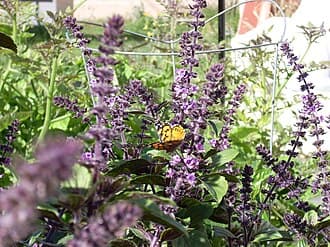 African Blue Basil
 Charleston Gray Watermelon
 Cinnamon Basil
 Cumin
Cumin Fanal Astilbe
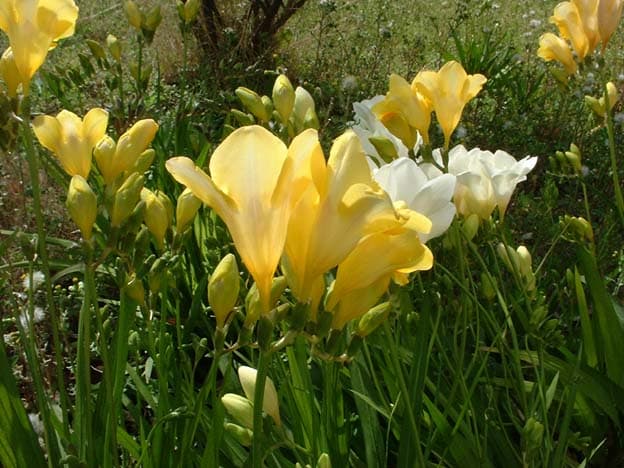 Freesia
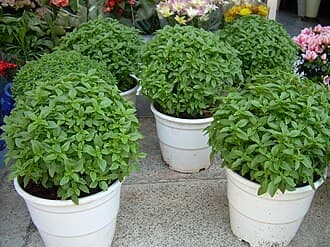 Greek Basil
 Holy Basil
 Italian Large Leaf Basil
 Jersey Knight Asparagus🍉Jubilee Watermelon
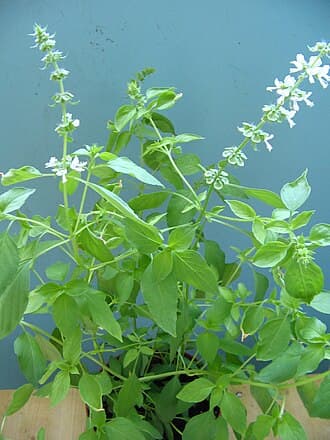 Lemon Basil
 Lettuce-Leaf Basil
 Lisianthus
 Mary Washington Asparagus
 Medjool Date Palm
 Possum Purple Passion Fruit
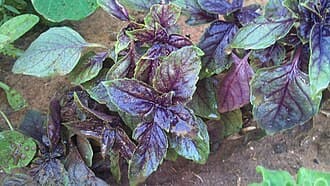 Purple Basil🌿Purple Passion Asparagus
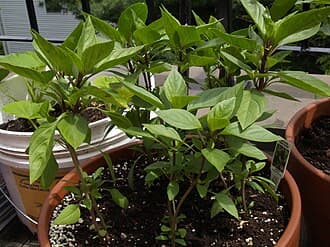 Thai Basil🍉Yellow Doll Watermelon
For educational and informational purposes only. Disease management advice is general guidance drawn from university cooperative extension sources; always identify a problem positively and read and follow the label on any product before use, especially around food crops, children, and pets.