
Pea Moth
Cydia nigricana
A small grayish moth whose caterpillars are the maggots in the pod that ruin shelling and snap peas. The female lays eggs on flowering pea plants, and the young caterpillars bore into the pods to eat the developing peas, fouling them with their bodies and frass.
🔎 How to spot it
The adult is a small, dull gray-brown moth with a wingspan of about half an inch and pale and black marks along the front edge of each forewing. The caterpillar is creamy white with a black head and small dark spots, up to about half an inch long, and is found inside the pod feeding on the seeds. The first sign is usually the caterpillars and their dark frass discovered when pods are opened to shell.
🥀 Damage it causes
Caterpillars tunnel into the pod and feed on the peas, typically damaging one or two seeds severely and nibbling several others, and fouling the pod with frass. A pod may look fine from the outside but be inedible within. The peas affected are those forming during the moth summer flight, so mid-season sowings are usually hit hardest.
🛡️ Prevent it
Timing the crop to dodge the flight is the main tool: very early or late sowings often flower outside the peak moth activity in early to midsummer and escape most damage. Floating row cover or fine fleece over the planting during flowering keeps the egg-laying moths off. Rotate peas and clean up old pea debris where the pest overwinters in the soil.
🧯 If it is already here
There are few or no effective home insecticides for pea moth once caterpillars are inside the pods, so control leans on prevention and harvest hygiene. Handpick and destroy infested pods, harvest promptly, and do not leave overmature pods on the plants. Growing under fleece and adjusting sowing dates are the most reliable measures.
💡 Good to know
Because the damage is hidden inside intact-looking pods, gardeners often discover pea moth only at the shelling bowl. Adjusting planting dates so the flowering window misses the single summer generation is the classic organic defense. The caterpillars drop to the soil to overwinter, so rotation and cleanup reduce next year numbers.
🌱 Plants it attacks
26 plants in the library can be attacked by this pest
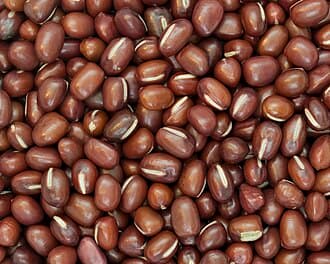 Adzuki Bean
 Black Bean
 Black-Eyed Pea
 Blue Lake Green Bean
 Broad Windsor Fava Bean
 Cannellini Bean
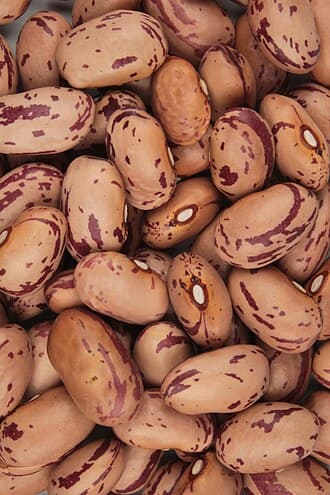 Cranberry Bean
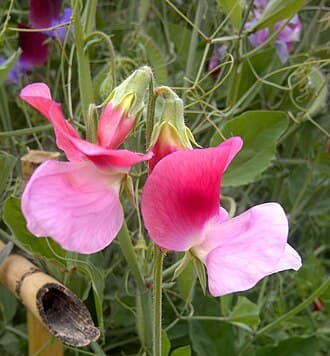 Cupani Sweet Pea
 Edamame
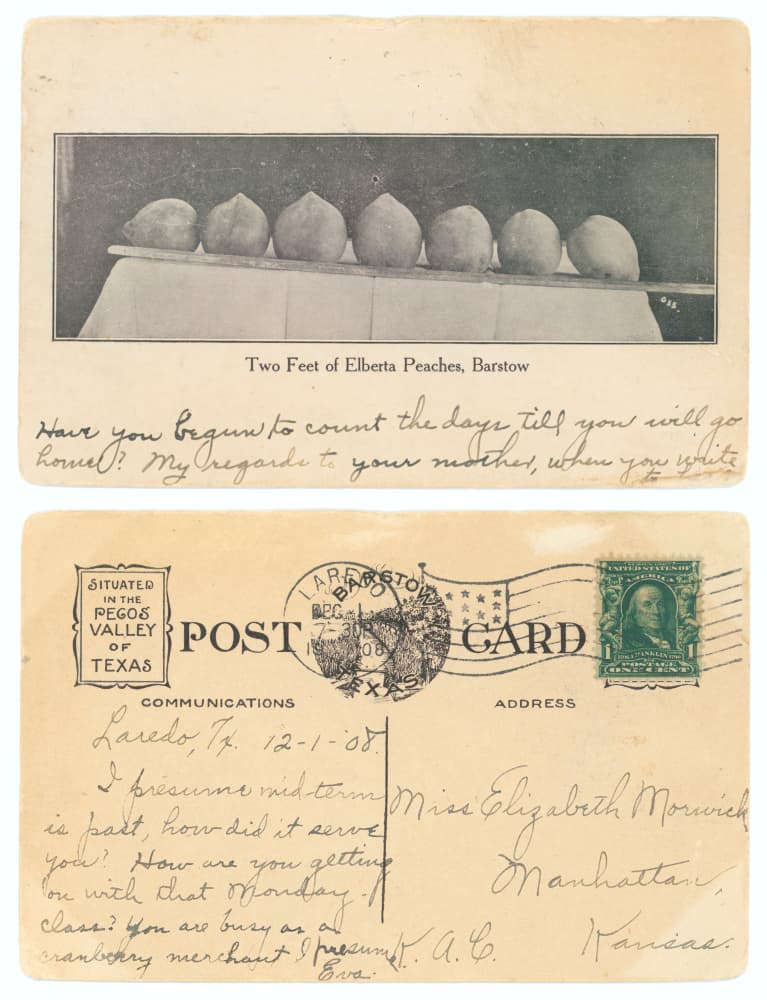 Elberta Peach
 English Shelling Pea
 Field Pea
 Fordhook 242 Lima Bean
 Kentucky Wonder Pole Bean
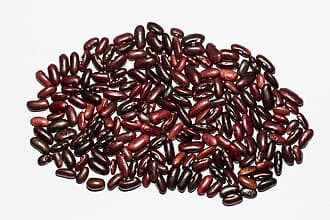 Kidney Bean
 Lincoln Pea
 Mung Bean
 Navy Bean
 Pinto Bean🌱Provider Bush Bean
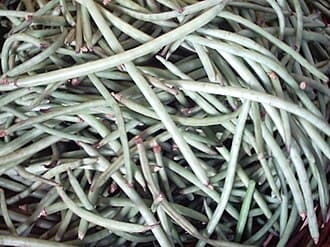 Red Noodle Yardlong Bean
 Romano Bean
 Scarlet Runner Bean
 Snow Pea🌱Sugar Daddy Pea
 Sugar Snap Pea
For educational and informational purposes only. Pest control advice is general guidance drawn from university cooperative extension sources; always identify a pest positively and read and follow the label on any product before use, especially around food crops, children, and pets.